
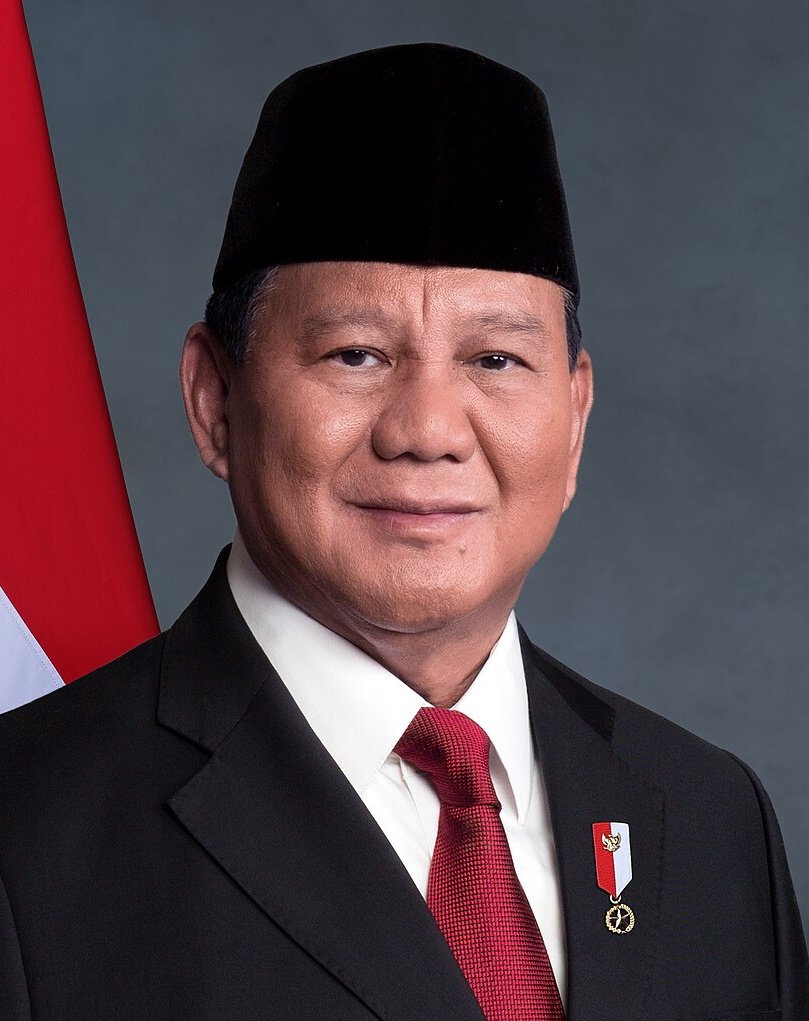
Image: from Indonesian Pop Base X@IndoPopBase
By Open Chronicle Staff with Agencies
Three weeks after devastating cyclone-induced floods and landslides tore through the island of Sumatra, Indonesian President Prabowo Subianto has called for patience, estimating that life in the hardest-hit regions may not return to normal for another two to three months.
The disaster, which began in late November following Cyclone Senyar, has evolved into one of the region’s deadliest modern catastrophes, with the death toll across three provinces—Aceh, North Sumatra, and West Sumatra—now officially exceeding 1,000 lives.
Speaking during a Cabinet meeting on December 15, President Prabowo addressed growing public frustration over the pace of relief and infrastructure repairs.3 Acknowledging the delays in restoring power and clean water, the President used a biblical metaphor to manage expectations.
“I don’t have the staff of Moses,” Prabowo told his Cabinet, referring to the inability to perform instant miracles.5 “We cannot finish this in 3–5 days. Perhaps in 2–3 months, activities will return to normal.”
As of the latest reports, the scale of the tragedy remains staggering:
-
Fatalities: 1,068 confirmed dead (as of Dec 19).
-
Missing: Approximately 190–200 people are still unaccounted for.
-
Displaced: Over 600,000 residents forced into evacuation centers.
-
Infrastructure: Nearly 186,500 homes were damaged or destroyed, alongside nearly 1,000 schools.
The $3.11 Billion Reconstruction Plan
Senior government officials have finalized the initial recovery budget, estimating a cost of at least US$3.11 billion (approx. 51.82 trillion Rupiah) to rebuild Sumatra’s shattered infrastructure.
A key priority is the construction of 44,045 temporary housing units (known locally as Huntara) to move survivors out of emergency tents and into dignified shelters. The government intends for these units to be completed within one month, while permanent relocation plans for those in high-risk zones are finalized.
| Province | Confirmed Deaths | Temporary Housing Units Planned |
| Aceh | 431 | 36,328 |
| North Sumatra | 355 | 5,158 |
| West Sumatra | 244 | 2,559 |
The disaster has reignited a fierce debate over land management in Indonesia. Green groups and environmental experts have argued that deforestation linked to mining and illegal logging significantly exacerbated the flash floods by removing the natural root systems that stabilize the soil.
In a swift policy response, Forestry Minister Raja Juli Antoni announced the revocation of 22 forest-use permits, covering over one million hectares of land nationwide.
-
Sumatra Impact: Over 100,000 hectares of the revoked permits are located specifically on Sumatra.
-
Legal Action: A dedicated task force (Satgas PKH) is investigating corporations suspected of illegal logging that contributed to the debris-filled torrents of mud seen in regions like Aceh Tamiang.
Despite the severity of the crisis, President Prabowo has maintained a stance of national self-reliance. While acknowledging offers of aid from foreign leaders, the President stated he thanked them for their concern but insisted, “We can handle it.”
He has pledged to visit the disaster zones at least once a week to monitor progress personally, emphasizing that while the government cannot perform miracles, it will not leave the affected communities to recover alone.