

Independent research on geopolitics, international security, military strategy, intelligence and the evolving architecture of global power.
Strategic Assessment Series
Long-form research publications examining the major geopolitical, military, economic and technological challenges shaping the international system. Each assessment is developed as a structured research project and may expand over time through new chapters, evidence and analysis.
The Russia–Ukraine War
A War Reshaping Europe’s Security Architecture
A comprehensive multi-chapter strategic assessment examining the historical origins, political transformation, military campaigns, competing security doctrines and global consequences of Europe’s most consequential armed conflict since the Second World War.
The Road to 2014
The Orange Revolution, Euromaidan, Crimea and the Beginning of the Donbas War
An examination of the political crises and strategic pressures that transformed Ukraine from a contested post-Soviet state into the centre of an armed confrontation. The chapter traces the Orange Revolution, the Yanukovych presidency, Euromaidan, Russia’s seizure of Crimea and the beginning of the Donbas War.
Future Strategic Assessments
China, Taiwan and the Indo-Pacific Balance
Strategic competition, military deterrence and the future of security in the Taiwan Strait.
In DevelopmentThe Future of NATO
Alliance transformation, collective defence and the strategic challenges facing the Euro-Atlantic community.
PlannedArtificial Intelligence and the Future of Warfare
Autonomous systems, decision advantage and the changing role of human command in military operations.
Planned
Strategic Focus

Africa
No analysis published yet in this focus area.
Research Directory
📖 Theory
Theoretical Frameworks & Methodology
Classical vs. Critical Geopolitics
🌍 Geography
🎯 Strategic Focus
⚡ Global Dynamics
⚔ Conflict
⚖ International Order
Latest Strategic Analysis
The Diesel War: Why Europe’s Fuel Reserves Have Become a Strategic Weapon
Why the US Withdrawal Could Transform Iraq Into the Next Battlefield of the American-Iranian Strategic Competition
“Why Do We Need a World If Russia Won’t Be There?” Inside Putin’s Nuclear Doctrine
America’s Generals: Is the Pentagon Really More Top-Heavy Than China and Russia?
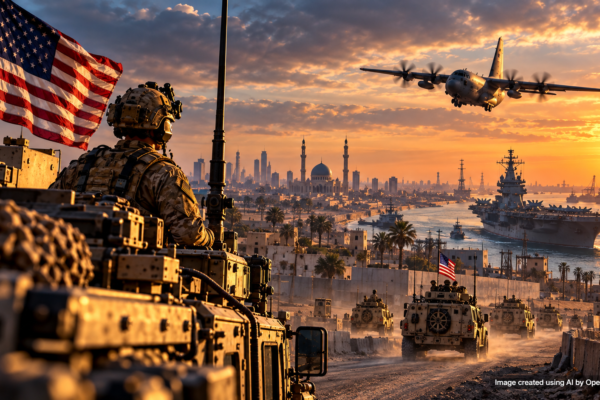
The End of the Forever War? America Leaves Iraq and Syria but Doubles Down on the Middle East
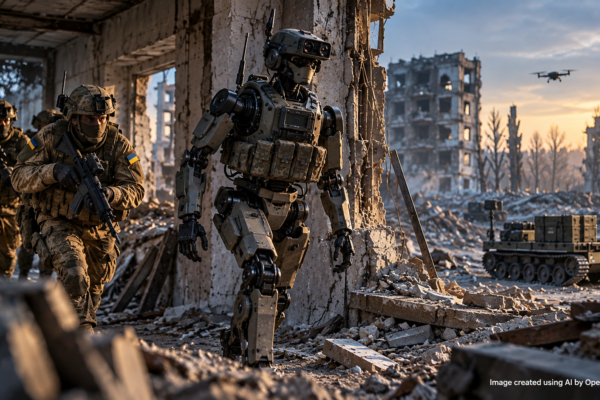
The Humanoid Soldier: Ukraine and the Next Revolution in Robotic Warfare
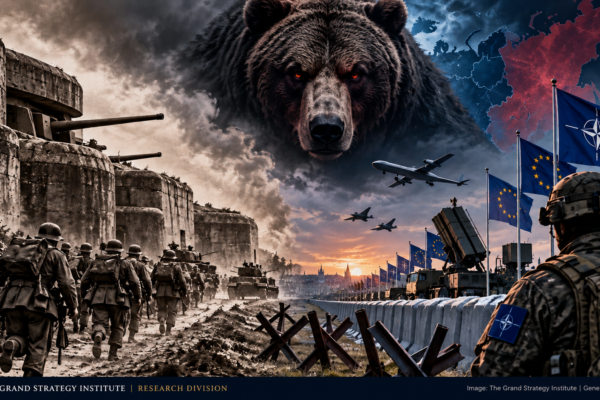
Europe’s New Maginot Line: Are Sanctions and Surveillance Enough to Deter Russia?
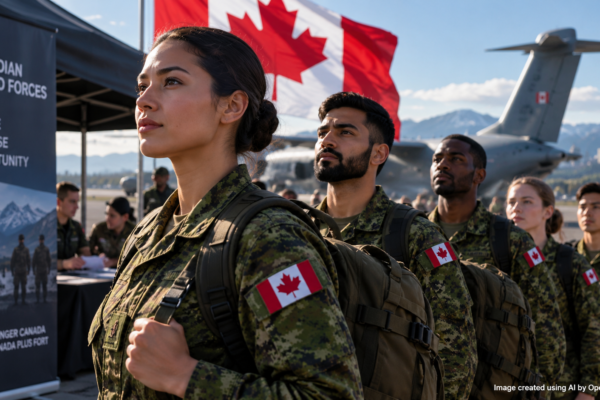
Canada Is Recruiting Soldiers From Around the World: Military Modernisation or a Warning Sign?
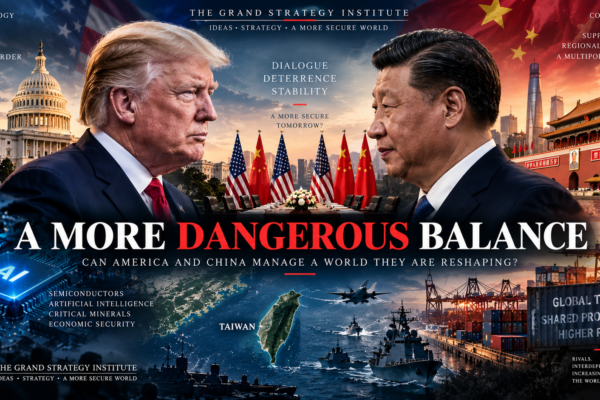
The New Great Power Competition: Can America and China Manage a World They Are Reshaping?
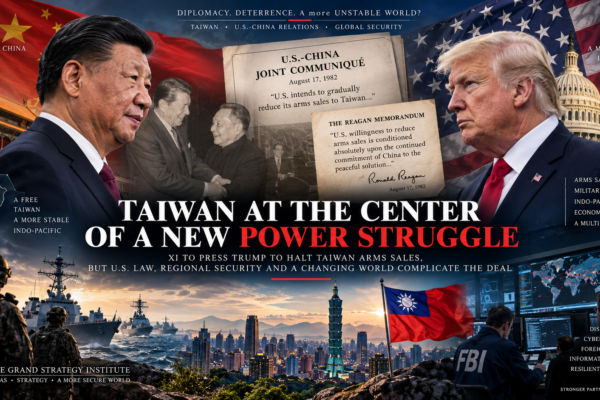
China, Taiwan and the Battle for American Strategic Independence
The Grand Strategy Institute
Independent research and strategic analysis on geopolitics, military affairs, international security, intelligence, technology, strategic economics and the evolving balance of global power.
The Grand Strategy Institute is part of the Open Chronicle editorial network, providing independent analysis, long form research and strategic perspectives on international affairs.
Research Directory
📖 Theory
Theoretical Frameworks & Methodology
Classical vs. Critical Geopolitics
🌍 Geography
🎯 Strategic Focus
⚡ Global Dynamics
⚔ Conflict
⚖ International Order
Latest Strategic Analysis
The Diesel War: Why Europe’s Fuel Reserves Have Become a Strategic Weapon
Why the US Withdrawal Could Transform Iraq Into the Next Battlefield of the American-Iranian Strategic Competition
“Why Do We Need a World If Russia Won’t Be There?” Inside Putin’s Nuclear Doctrine
America’s Generals: Is the Pentagon Really More Top-Heavy Than China and Russia?
The End of the Forever War? America Leaves Iraq and Syria but Doubles Down on the Middle East
The Humanoid Soldier: Ukraine and the Next Revolution in Robotic Warfare
Europe’s New Maginot Line: Are Sanctions and Surveillance Enough to Deter Russia?
Canada Is Recruiting Soldiers From Around the World: Military Modernisation or a Warning Sign?
The New Great Power Competition: Can America and China Manage a World They Are Reshaping?