
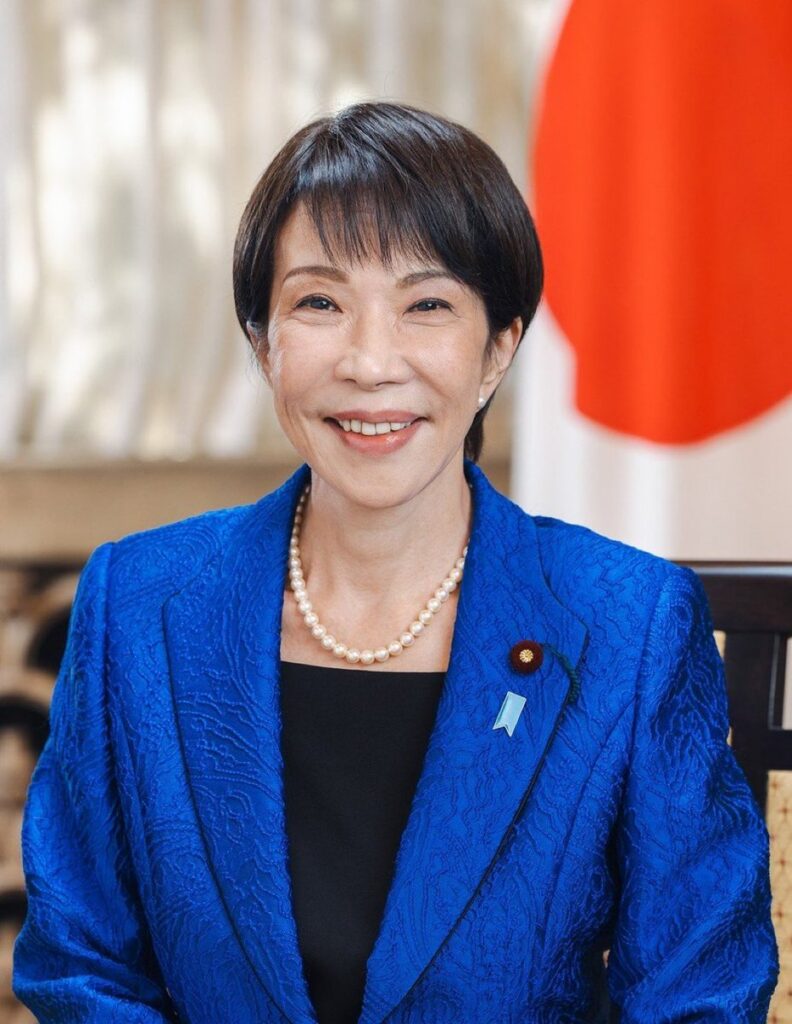
Image: from JD Vance RV Q X@JDVanceRvQ
OPEN CHRONICLE | Global Politics & Asia-Pacific Affairs
By Staff Reporter | Open Chronicle
In a political landscape long defined by tradition and male-dominated hierarchies, Tokyo has witnessed a seismic shift. Sanae Takaichi, often dubbed Japan’s “Iron Lady” for her uncompromising conservative stance and admiration for Margaret Thatcher, has forged a historic victory to become the nation’s first female Prime Minister. Her ascent marks not only a personal triumph after three leadership bids but also a potential pivot in Japan’s economic and security trajectory.
A Protégé’s Rise
Takaichi, 64, has long been recognized as the ideological successor to the late Shinzo Abe. Her victory in the Liberal Democratic Party (LDP) leadership race, followed by her official confirmation by the Diet, signals a return to the robust “Abenomics” framework—emphasizing aggressive fiscal stimulus and monetary easing to revive a flatlining economy.
Her journey from a heavy metal drummer and independent politician in the 1990s to the Kantei (the Prime Minister’s official residence) reflects a tenacity that resonated with the LDP’s conservative base. Unlike many of her peers who hail from political dynasties, Takaichi’s relatively humble background in Nara has been a cornerstone of her “listening” political brand, even as she maintains a “hardline” reputation on the global stage.
Security and Sovereignty
The international community is watching Takaichi closely, particularly regarding her “hawk” stance on regional security. A vocal advocate for revising Japan’s pacifist constitution, she has called for a significant defense buildup and a “more confident” foreign policy. Her positions on China and the Taiwan Strait are notably assertive, suggesting that Tokyo may take a more prominent role in Indo-Pacific security architectures.
However, her leadership begins under the shadow of domestic challenges. Having inherited a party still reeling from a major slush-fund scandal, Takaichi’s first move was to form a pragmatic coalition with the Japan Innovation Party (Ishin) after the LDP’s long-standing alliance with Komeito fractured.
The Mandate for Change
Early polling suggests that the Japanese public is, for now, backing the new leader’s resolve. With approval ratings hovering near 70% in her initial months, Takaichi has leveraged this momentum to call for a snap election, seeking a sole majority that would allow her to bypass the deadlock of a minority government.
As she prepares for high-stakes diplomacy—including hosting U.S. President Donald Trump—Japan’s first female Prime Minister faces a bulging “in-tray” of economic reforms, population decline, and geopolitical tensions. Whether her “Iron Lady” approach can forge a lasting stability in the Japanese archipelago remains the defining question of this new era.