
Image: from cryptothedoggy X @cryptothedoggy
By Open Chronicle Staff with Agencies
Diplomatic maneuvering over Iran’s nuclear program, continued fallout from US-led talks on Ukraine, labor unrest in Germany, and high-level political engagements across Europe, Asia, and North America headline Friday’s global agenda. Economic data from Germany and key UN meetings also shape a day marked by both geopolitical tension and policy debate.
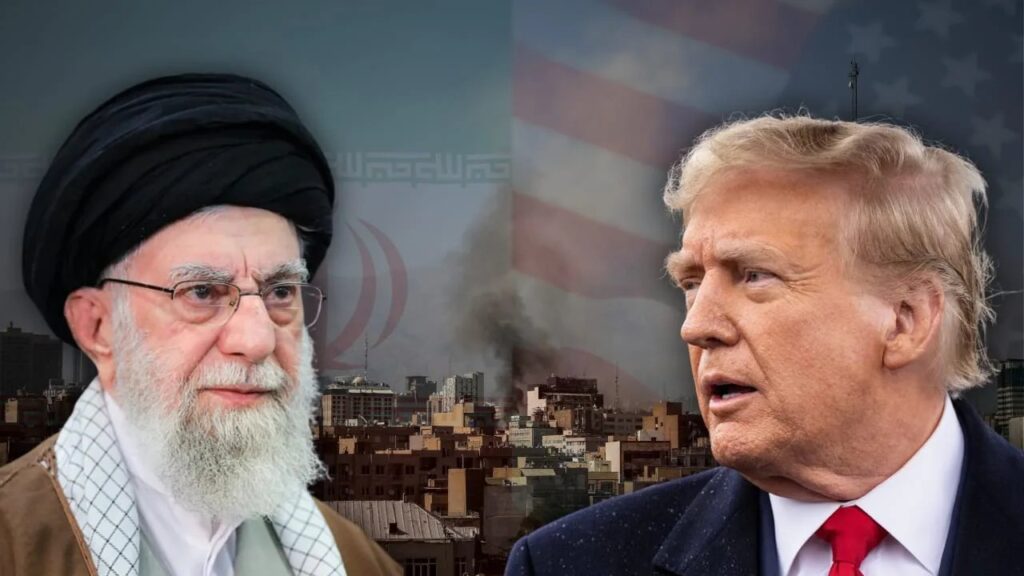
Reactions to US–Iran Nuclear Talks
International attention remains focused on the latest round of indirect nuclear negotiations between Washington and Tehran in Geneva. The talks, mediated by Oman, follow earlier meetings in Muscat and Geneva and are widely viewed as a critical diplomatic opportunity to prevent further escalation over Iran’s nuclear program.
The discussions brought together Iran’s delegation led by Foreign Minister Abbas Araghchi and the US team headed by special envoy Steve Witkoff and Jared Kushner, under the facilitation of Omani Foreign Minister Badr Al-Busaidi. Talks centered on nuclear-related restrictions and potential sanctions relief.
European leaders are closely assessing the outcome, weighing prospects for de-escalation against concerns over regional security and nonproliferation. With tensions high in the Middle East, the Geneva track is increasingly seen as a last major window for diplomacy before positions harden further.
European Reactions to US–Ukraine Talks
European capitals are also responding to the most recent US–Ukraine discussions in Geneva, which followed last week’s trilateral negotiations involving Russia. Ukraine’s delegation, led by chief negotiator Rustem Umerov, met US officials, including Witkoff and Kushner, to discuss economic support, reconstruction efforts, and preparations for a potential next round of talks with Moscow.
Possible prisoner exchanges and coordination on diplomatic strategy were also on the agenda. European governments are monitoring developments carefully, as the trajectory of US–Ukraine engagement will influence broader security dynamics on the continent.
Parallel bilateral meetings between US envoys and Russian officials, including presidential envoy Kirill Dmitriev, are expected to shape the next phase of diplomacy. Both Kyiv and Moscow are expected to issue statements as consultations continue.
German Transit Strikes Disrupt Major Cities
In Germany, nationwide warning strikes organized by the Ver.di union are disrupting public transportation networks in dozens of cities. Bus and subway services in Berlin, Hamburg, and Munich are among those affected.
The industrial action comes amid stalled wage negotiations and is set to continue through the weekend in many regions. Commuters face significant delays and cancellations, adding pressure on federal and local authorities to reach a compromise with labor representatives.
UN Briefings and Migration Address
The UN Information Service is holding its regular biweekly press briefing, addressing a range of global developments.
At the General Assembly, Secretary General Antonio Guterres is scheduled to speak at an informal plenary meeting on the Global Compact for Safe, Orderly and Regular Migration. His remarks are expected to underscore the need for coordinated international approaches to migration governance, particularly as displacement and cross-border mobility remain politically sensitive issues in many regions.
Trump to Address Energy at Texas Port
US President Donald Trump is set to visit the Port of Corpus Christi in Texas, a key hub for American energy exports. He will receive a briefing and deliver remarks focused on energy policy and export capacity, themes central to his administration’s economic messaging.
Following the Texas visit and a local television interview, Trump will travel to his South Florida estate of Mar-a-Lago for the weekend.
Deadly Incident Between Cuba and a US-Registered Speedboat
Authorities in Cuba have reported that four people were fatally shot after allegedly attempting to enter Cuban territorial waters on a US-registered speedboat. Havana described the incident as an attempted infiltration.
An investigation has been launched in the US state of Florida, and Cuban officials say they are in contact with US authorities. The episode risks adding strain to already complex bilateral relations.
Pakistan–Afghanistan Border Tensions
Developments are being closely followed after renewed cross-border tensions between Pakistan and Afghanistan left at least 11 people dead, including a civilian. The flare-up underscores the fragility of security along the frontier and the persistent volatility affecting the region.
High-Level Bilateral Meetings
In Central Asia, Kazakh President Kassym Jomart Tokayev is hosting Serbian President Aleksandar Vucic in Astana. Talks are expected to focus on strengthening trade ties and expanding economic cooperation, reflecting both countries’ interest in diversifying partnerships.
Meanwhile, Canadian Prime Minister Mark Carney is in India on his first official visit to the country. After meetings with business leaders in Mumbai, he is due to travel to New Delhi for high level talks. The four-day visit aims to deepen economic engagement and strategic cooperation between Canada and India.
The Economy: German GDP Update
Germany’s federal statistics office Destatis is releasing GDP figures for the final quarter of 2025. The country recorded a slight contraction in the third quarter, and markets are watching closely for signs of stabilization or further weakness in Europe’s largest economy.
Special Reports
Several in-depth analyses are also shaping the news cycle:
A report examines how Democratic led US states, including Minnesota, Illinois, and California, are mounting legal challenges against federal immigration enforcement operations. The story explores lawsuits targeting ICE and the Department of Homeland Security over alleged constitutional violations and excessive force, highlighting a widening clash over federal authority and civil rights.
Another feature looks at the entry into force of the UN-backed High Seas Treaty, the first legally binding framework to conserve marine biodiversity in areas beyond national jurisdiction. Experts emphasize its potential to transform ocean governance, while cautioning that implementation and political commitment will be decisive.
A third report assesses Pakistan’s plan to invest one billion dollars in artificial intelligence by 2030. The initiative aims to train one million AI professionals and expand digital innovation across key sectors. Analysts point to infrastructure gaps, funding constraints, and governance challenges that could shape the success or limits of Islamabad’s ambitions.
As Friday unfolds, diplomacy, economic uncertainty, and strategic policymaking continue to define a complex global landscape.