
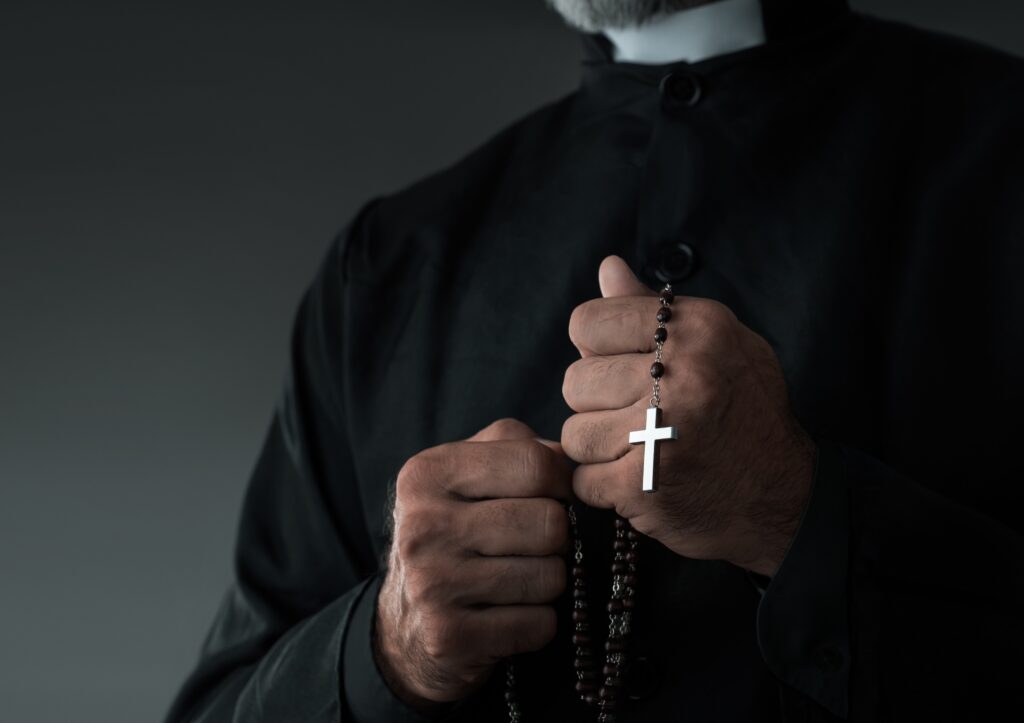
Image: from CatholicVote X @CatholicVote
By OPEN CHRONICLE STAFF with Agencies
VATICAN CITY — In a startling revelation that spans the intersection of ancient ritual and modern psychological distress, the International Association of Exorcists (AIE) has warned that requests for spiritual deliverance are soaring to “unprecedented heights” across the Western world.
Following a private audience with Pope Leo XIV earlier this month, the AIE released a detailed report citing a “painful and increasingly widespread” surge in cases of people affected by what they describe as extraordinary demonic influence. The group is now calling for a fundamental restructuring of how the Catholic Church addresses the phenomenon, demanding that every diocese worldwide appoint at least one formally trained practitioner.
🔥🚨BREAKING: Prolific Excorcist Father Chad Ripperge claims he has witnessed demons manifest into looking like a gray alien.
"I know other exorcists where they would in session they would see that once the demon manifested, they would manifest in literally looking like an… pic.twitter.com/2UcX77TgDS
— Dom Lucre | Breaker of Narratives (@dom_lucre) March 11, 2026
A Crisis of the Occult
According to Bishop Karel Orlita and Father Francesco Bamonte, the president and vice president of the AIE, the spike in demand is largely driven by a growing fascination with occult practices and a broader “turning away from God” in secular society.
The report highlights that the digital age has played a pivotal role in this spiritual shift. Experts at a recent Vatican-affiliated conference noted that during the isolation of the COVID-19 pandemic, many individuals turned to the internet to explore esoteric and magical practices. This “occult curiosity,” combined with rising rates of depression and economic hardship, has left vulnerable people feeling as though their lives are no longer in their own hands, but in those of a “malign force.”
“We have seen an increase in requests for exorcisms because the pandemic made people more vulnerable to the idea that some evil entity has taken over their lives,” said Father Gian Matteo Roggio, a specialist in the field.
Structural Reinforcements Needed
To combat what the AIE calls a “grave spiritual emergency,” the group presented Pope Leo XIV with several urgent proposals:
-
Mandatory Training: The AIE wants instruction on the “real existence and nature of the demonic world” to be a standard part of seminary education for all future priests.
-
Bishop Oversight: The group suggested a brief course in exorcism ministry for newly appointed bishops so they can effectively oversee practitioners in their jurisdictions.
-
Discernment Protocols: Emphasizing that the majority of cases are psychiatric in origin, the AIE is pushing for clearer discernment criteria to ensure that those suffering from mental health issues receive medical care while those facing spiritual crises receive the appropriate sacramental assistance.
The ‘Leo Era’ Response Pope Leo XIV, who has focused his early papacy on “lowering the temperature” of global and internal Church conflicts, met with the AIE leadership for a half-hour session on March 13. While the Pope has not yet issued a formal decree on the group’s proposals, the meeting itself is being viewed as an acknowledgment of the ministry’s growing importance in the modern era.
In the United States and the United Kingdom, the trend is already visible. Some dioceses have reported a significant rise in requests from non-Catholics seeking help from priests, a phenomenon Father Bamonte describes as a “harm” to the faithful if no authorized exorcist is available to respond.
As society continues to navigate a post-pandemic landscape of anxiety and digital saturation, the Church’s ancient rite of exorcism is moving from the fringes of horror cinema into the center of a very real pastoral crisis.
Signs of possession, according to leading exorcists, include:
- Speaking in languages they do not know. Knowing ancient Latin, Hebrew, or Greek, without having studied them.
- Knowledge of the unknown. A demonically possessed person will somehow know personal details never revealed publicly.
- Immense strength. “I’ve seen a woman throw a refrigerator across the room,” said Todd.
- Psychological manipulation. Demons will attempt to unsettle exorcists.
- Aversion to religious symbols like crosses and holy water.
- Sudden and extreme rage, obscene hand gestures, and excessive profanity.
- Hallucinations, obsessive thoughts, and suicidal ideation.
The experts also advise on how people can protect themselves from demons.
- Prayer and fasting.
- Attend church services and take communion.
- Study the Bible.
- Confession and repentance.
- Stay away from people you know to be evil or who commit crimes.
- Call upon your Guardian Angel, who is more powerful than the devil himself.