
Image: The Global Eye X@TGEThGlobalEye
By Lucas Reid | Staff Writer with Agencies
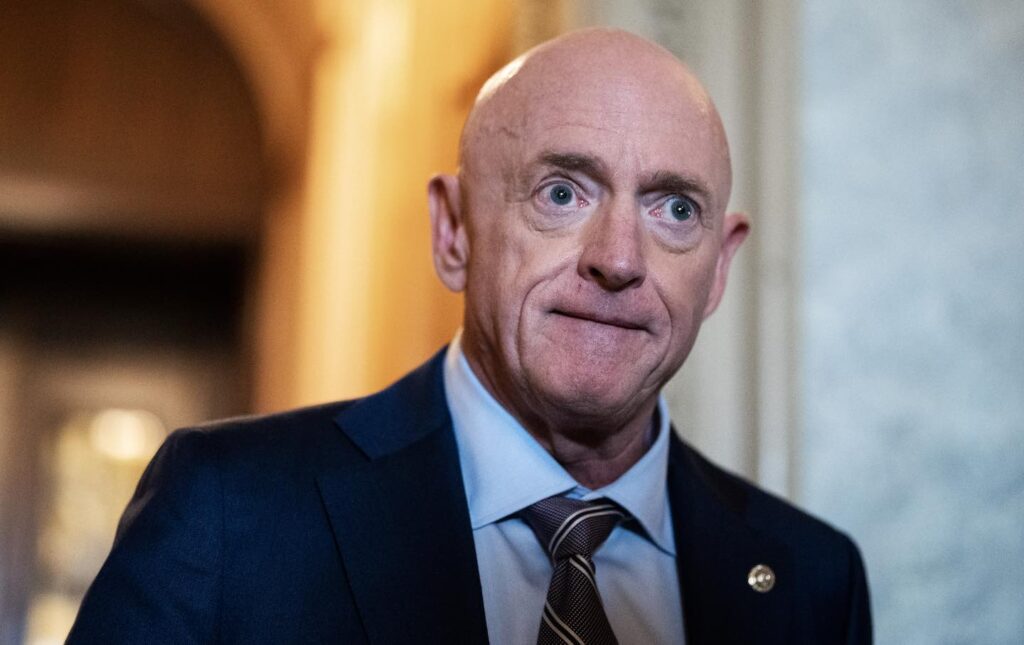
The Pentagon has initiated an investigation into Democratic Senator Mark Kelly of Arizona after he appeared in a video alongside several other lawmakers telling military personnel that they are not required to follow orders that violate the law. The video, which was released last week, has ignited significant controversy, particularly drawing the ire of former President Donald Trump, who labeled the lawmakers’ actions as “seditious behavior,” going as far as suggesting such conduct could be punishable by death.
The Pentagon’s announcement, posted on social media Monday, referred to “serious allegations of misconduct” against Kelly and his colleagues. The investigation will explore potential violations under the Uniform Code of Military Justice (UCMJ), although the Department of Defense did not specify what conduct might have triggered the inquiry. The review could include “recall to active duty for court-martial proceedings or administrative measures,” according to the statement, raising questions about the intersection of Congress’s constitutional protections and military regulations.
Kelly responded publicly, expressing that the Pentagon’s announcement was the first time he had heard about the investigation. In his statement, Kelly, a former U.S. Navy aviator, emphasized his commitment to upholding his duties as a senator and to holding the administration accountable. “If this is meant to intimidate me and other members of Congress from doing our jobs, it won’t work,” Kelly wrote. “I’ve given too much to this country to be silenced by bullies.”
The video, posted on November 18, featured Kelly and five other lawmakers, Michigan Senator Elissa Slotkin, Colorado Representative Jason Crow, Pennsylvania Representatives Chris Deluzio and Chrissy Houlahan, and New Hampshire Representative Maggie Goodlander — all of whom have military or intelligence backgrounds. In the video, the lawmakers told members of the military and intelligence communities that they have a moral and legal right to refuse orders that violate the law or the Constitution.
The video stated, “No one has to carry out orders that violate the law or our Constitution. We know this is hard and that it’s a difficult time to be a public servant. But whether you’re serving in the CIA, Army, Navy, or Air Force, your vigilance is critical.” The video was aimed at reminding service members of their duty to uphold the Constitution even when facing difficult orders.
While the message was intended to encourage service members to uphold legal and ethical standards, it was met with severe backlash from some political figures. White House press secretary Karoline Leavitt criticized the video, claiming that Kelly and the other senators were encouraging “disorder and chaos within the ranks.” Leavitt asserted that “Not a single one of them can point to a single illegal order that this administration has given down because it does not exist.”
Mark Kelly’s military career is well-established. He served as an aviator in the U.S. Navy from 1987 to 2012, deploying during the Gulf War and receiving multiple awards, including the Legion of Merit and the Distinguished Flying Cross. Kelly retired with the rank of Captain and later became a NASA astronaut, further solidifying his credibility as a military figure. He was elected to the U.S. Senate in 2020, and his background in both military and public service has been central to his political identity.
A key legal issue surrounding this case involves the broad constitutional protections granted to members of Congress. The U.S. Constitution’s Speech or Debate Clause provides immunity for lawmakers, shielding them from prosecution or civil suits for actions taken within their legislative duties. This principle has been upheld by the courts to ensure that the legislative branch remains independent and insulated from executive or judicial interference.
According to the Congressional Research Service, the immunity granted by the Speech or Debate Clause “protects Members from intimidation by the executive or a hostile judiciary.” This immunity is designed to prevent external pressures from influencing lawmakers’ ability to perform their duties without fear of legal reprisal.
The implications of this case could challenge the boundaries of Congress’s protections, particularly if military authorities seek to hold Kelly accountable for his actions as a lawmaker and a former service member.
The investigation into Kelly follows a year marked by increasing political polarization, especially regarding the relationship between military authority and elected officials. In the wake of President Trump’s remarks, safety concerns have been raised, and tensions have escalated both within the Capitol and across the nation.
Trump’s comments regarding the video, calling it “seditious” and warning of severe consequences, have added fuel to the fire, prompting renewed calls for accountability on both sides of the political spectrum. The dispute further underscores the deep divides in American political discourse, particularly over the role of the military and the boundaries of free speech for lawmakers.
As the Pentagon’s investigation unfolds, the case raises important questions about the limits of political speech for military retirees and elected officials, as well as the interplay between the legislative branch’s constitutional protections and military law.
The investigation is still in its early stages, and it remains unclear whether the Pentagon will take any formal action against Kelly or other members of Congress involved in the video. The outcome of this inquiry could have significant ramifications for the future of political speech, especially for military veterans in Congress.
In the meantime, Kelly and his colleagues continue to stand by their message, asserting that their call to service members was grounded in upholding the Constitution and ensuring that military orders are always lawful and ethical. With tensions already running high, this investigation is likely to be a point of contention as Congress prepares for another contentious election cycle in 2024.
The investigation into Senator Mark Kelly’s involvement in the controversial video has become a flashpoint in the ongoing debate over military authority and the limits of political expression. As the Pentagon reviews the allegations and the legal implications for Kelly, the broader questions about the role of Congress, military orders, and political speech remain unresolved, further intensifying the political divide in Washington.