
Image: from Sociedad Media X@sociedadmedia
By Open Chronicle Staff with Agencies
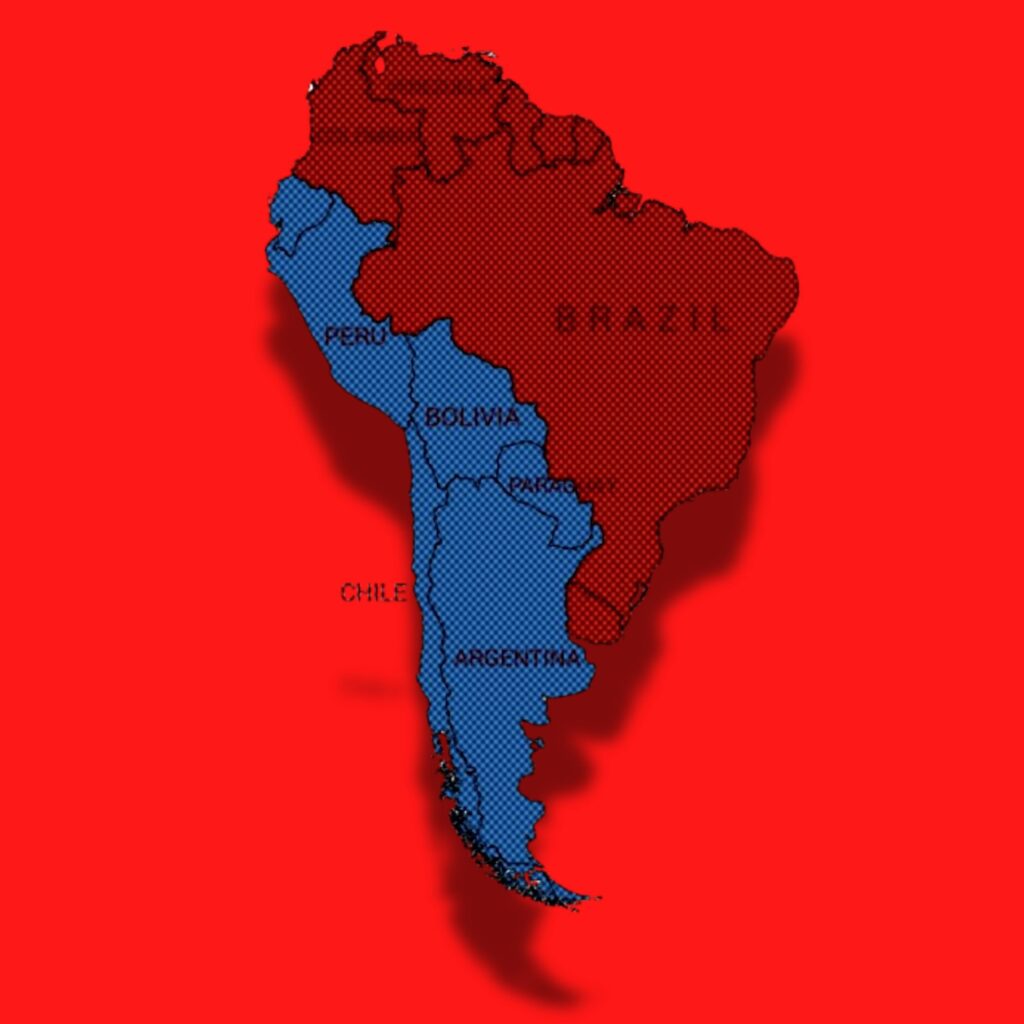
The political map of Latin America is undergoing a dramatic transformation. The “Pink Tide”—the wave of leftist, anti-neoliberal governments that dominated the region for decades—is visibly receding, replaced by a surge of far-right leaders promising radical change. The most recent and striking example of this shift is the landslide victory of José Antonio Kast in Chile.
José Antonio Kast’s victory marks a historic turning point. He is the first Chilean head of state since the 1990 return to democracy to express admiration for the dictator Augusto Pinochet openly. Garnering over 7.2 million votes, Kast tapped into a changing national mood.
The populist right is sweeping Latin America under Trump’s leadership. 🇨🇱🇦🇷🇪🇨🇸🇻
Leftist governments promised “equity” and delivered chaos: skyrocketing crime, murders, kidnappings, human trafficking, and uncontrolled illegal immigration — including Venezuelan gangs like Tren de… pic.twitter.com/Rqll8hbq6e
— Jake (@JakeCan72) December 16, 2025
After years of socialism in South America, there’s now a right-wing wave.@joseantoniokast
just won the Chilean election, turning Chile blue.Next year, the right could win the elections in Colombia & Brazil, while socialism might fall in Venezuela due to other circumstances pic.twitter.com/POhOA4xUMm
— TruthUnfiltered (@Truth_Unfiltere) December 15, 2025
Six years ago, Chilean politics were dominated by demands for social equality, health, and education. Today, the agenda has shifted toward:
- Insecurity and Crime: A demand for harsher policing.
- Immigration: Promises to build a border wall with Peru and deport 300,000 undocumented immigrants.
- Economic Stagnation: A move toward more conservative fiscal policies.
Kast, a staunch Catholic who opposes abortion and same-sex marriage, represents a “hardline” approach that has become increasingly attractive to a weary electorate.
The shift is not isolated to Chile. Across the continent, a new breed of right-wing leaders is gaining ground, each focusing on specific societal pain points:
- Argentina: Javier Milei, the “anarcho-capitalist” president, won on a platform of fighting hyperinflation and dismantling the state.
- El Salvador: Nayib Bukele has gained massive popularity (and criticism for authoritarianism) by focusing almost exclusively on crushing gang violence.
- Ecuador & Bolivia: Leaders like Daniel Noboa and Rodrigo Paz are working to dismantle the legacies of Rafael Correa and Evo Morales, respectively.
According to political scientists like Cristóbal Roviro Kaltwasser and Pablo Semán, these leaders are united by:
- Radicalism: A willingness to challenge established democratic norms.
- Youth Appeal: Success among a generation that fears they will be poorer than their parents.
- The “Pink Tide” Failure: Leftist governments are seen as having failed to address structural corruption, security, and economic growth.
While the right-wing wave is powerful, analysts point to Brazil as a critical case study in democratic resilience. Despite the rise of “Bolsonarismo,” Brazil’s institutions held firm when former President Jair Bolsonaro challenged election results.
The fact that Bolsonaro was held accountable and sentenced to 27 years in prison serves as a contrast to the United States, where similar challenges to democratic results showed more institutional fragility. For the Latin American left to regain its footing, experts suggest that it must look to the strength of Brazil’s democratic safeguards.
Latin America remains a region of political extremes. As the far-right takes the reins, they now face the same challenge as their predecessors: delivering tangible results. If these governments fail to solve the issues of crime and inflation, the political pendulum may eventually swing back, though the “Bolsonarismo” and “Kastismo” movements suggest that the ideological foundations of the right are here to stay for the long term.