
Image: from Justin Wu X@hackapreneur
WASHINGTON – In a significant legislative move, the U.S. House of Representatives has voted to overturn tariffs on Canadian lumber, steel, and aluminum, a controversial measure originally imposed by President Donald Trump. The resolution, which garnered support from six Republicans, underscores a growing bipartisan sentiment to recalibrate trade relations with key allies.
The tariffs, first enacted in 2018 under Section 232 of the Trade Expansion Act of 1962, were justified by the Trump administration on national security grounds. However, they quickly became a point of contention with Canada, one of America’s closest economic partners and a vital component of North American supply chains. Critics argued that the tariffs harmed American industries reliant on these imports and led to retaliatory measures from Ottawa.
Is that a beginning of the end of Trump mafia policy on Congress👀
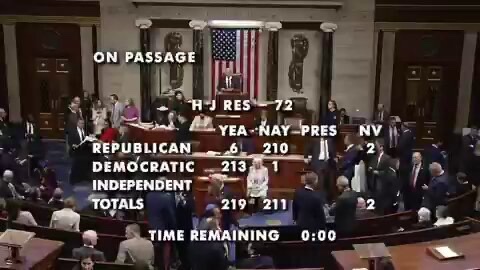
The U.S. House votes to OVERTURN Trump’s tariffs on Canada, 219–211.
Six Republicans join Democrats to pass the measure:
Reps.
Bacon,
Massie,
Kiley,
Fitzpatrick,
Hurd and Newhouse. pic.twitter.com/pQ91dUMEN7— Mario (@PawlowskiMario) February 12, 2026
Bipartisan Push for Trade Normalization
The resolution to eliminate the tariffs passed with a notable degree of cross-party backing, signaling a potential shift in congressional priorities towards normalizing trade relations and strengthening alliances. While the majority of Republican votes went against the measure, the six who sided with Democrats indicate a willingness within the GOP to challenge past trade policies that have proven detrimental to specific domestic sectors or international partnerships.
Proponents of the resolution emphasized the importance of free and fair trade with Canada, highlighting the integrated nature of the two economies. They argued that the tariffs had increased costs for American manufacturers and consumers, without delivering the promised benefits to national security or domestic industries.
Impact on Key Industries
The tariffs primarily targeted Canadian imports of softwood lumber, steel, and aluminum. The lumber tariffs, in particular, have been a long-standing issue in U.S.-Canada trade disputes, impacting the housing market and construction industry. Removing these tariffs is expected to reduce input costs for American builders and potentially ease inflationary pressures in the housing sector.
For the steel and aluminum industries, the original tariffs aimed to protect domestic producers from what the Trump administration deemed unfair foreign competition. However, critics contended that Canada, as a close ally, was unfairly penalized and that the tariffs had a broader negative impact on global supply chains and diplomatic ties.
Next Steps and Broader Implications
The resolution now moves to the Senate, where its fate remains uncertain. Should it pass both chambers, it would represent a significant legislative rebuke of the previous administration’s trade policies and signal a renewed commitment to multilateral trade agreements and strong bilateral relations.
The vote also comes at a time when the U.S. is seeking to bolster its economic alliances in the face of global geopolitical shifts. Rebuilding trust and stability in trade relationships with key partners like Canada could prove crucial for future economic resilience and strategic cooperation.