
Image: from OSINTdefender X @sentdefender
Escalating tensions across the Middle East and beyond continue to reshape global security dynamics as military incidents, diplomatic warnings and economic disruptions multiply. Developments on Thursday highlight growing concerns about regional escalation involving major powers, the strategic role of international alliances and the widening economic consequences of the conflict.
NATO condemns the attack targeting Türkiye
NATO strongly condemned Iran’s targeting of Türkiye and reaffirmed its commitment to defend alliance members amid ongoing regional hostilities.
A NATO spokesperson said the alliance stands firmly with all allies as Iran continues what it described as indiscriminate attacks across the region. The official emphasized that NATO’s deterrence and defense posture remains robust across all operational domains, including air and missile defense systems.
The statement followed an incident in which a ballistic munition launched from Iran toward Turkish airspace was intercepted by NATO air and missile defense units operating in the Eastern Mediterranean, according to the Turkish Defense Ministry.
The development underscores concerns that the expanding conflict could directly affect NATO member states, raising the stakes for collective security and alliance coordination.
UK insists on legal basis before joining the conflict
Keir Starmer reiterated that the United Kingdom will not participate in military operations without a clear legal foundation and a detailed operational strategy.
Speaking during Prime Minister’s Question Time, Starmer said he was not prepared to involve Britain in a war unless he was convinced there was both a lawful basis and a viable action plan.
His remarks come as pressure mounts on Western governments to clarify their positions regarding the ongoing military campaign against Iran led by Donald Trump in coordination with Israel.
Starmer emphasized the need for careful decision-making, calling for clarity, purpose, and restraint as tensions intensify across the region.
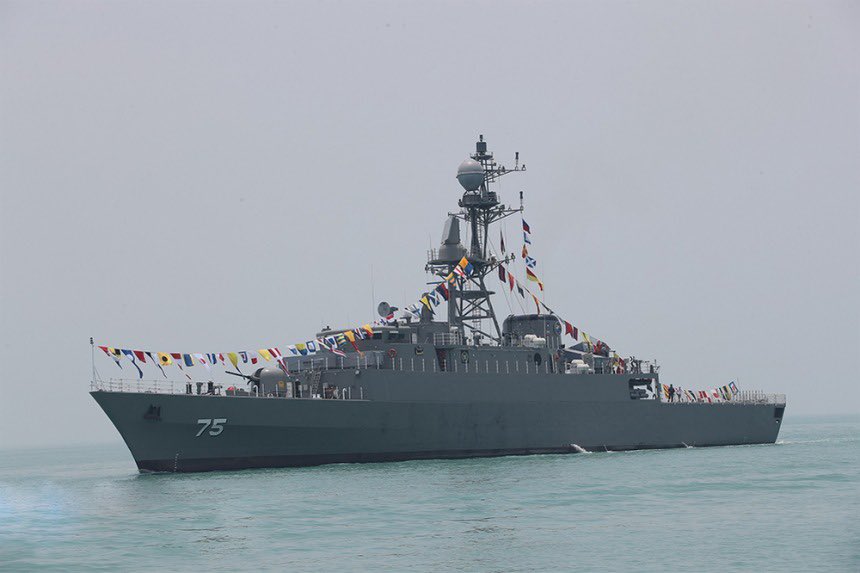
Iranian warship attack leaves dozens dead
At least 87 sailors were reported dead after an Iranian warship was struck by a US torpedo near Sri Lanka, according to media reports citing Sri Lankan officials.
The incident occurred in waters off the southern city of Galle. Authorities confirmed that the bodies of 87 crew members were recovered, while search and recovery operations remain underway.
The vessel involved was identified as the IRIS Dena, which reportedly carried around 180 crew members.
Another 32 sailors were injured and transported to Karapitiya Teaching Hospital for treatment.
Pete Hegseth confirmed that US forces conducted the attack, stating the vessel had recently participated in naval exercises near India.
The strike represents one of the deadliest naval incidents since the escalation of hostilities between the United States, Israel, and Iran began.
Additional developments around the world
Diplomatic contacts and military actions continued across multiple regions as governments responded to the unfolding crisis.
Hakan Fidan and Marco Rubio discussed the regional situation and the interception of a missile directed toward Turkish airspace.
José Manuel Albares denied claims that Spain had agreed to military cooperation with the United States amid tensions over base access.
Meanwhile, Iraq experienced a nationwide power outage after the country’s electricity grid collapsed, according to the Iraqi Electricity Ministry.
Several European governments also rejected military participation in the conflict. Germany’s defense minister ruled out joining the ongoing strikes against Iran, while Belgian Defense Minister Theo Francken said Belgium would not provide military support for the campaign.
Forty countries meeting in The Hague proposed sanctions targeting Israel, including potential arms embargoes and travel screening measures related to developments in the West Bank.
At the same time, Kaja Kallas warned that the international focus on the Middle East must not overshadow the ongoing war in Ukraine.
The World Health Organization also expressed concern that hospitals and medical personnel in Iran are increasingly being affected by the conflict.
Energy markets react to shifting geopolitical signals
Energy markets showed signs of volatility as reports emerged that Iran may be exploring diplomatic channels to reduce tensions.
European natural gas prices dropped more than 9 percent, falling below €50 per megawatt hour on the Netherlands based TTF trading hub following reports of a possible Iranian peace initiative.
Meanwhile, QatarEnergy declared force majeure for buyers after suspending liquefied natural gas production due to the security situation.
The disruptions come amid wider energy concerns after Iran announced the closure of the Strait of Hormuz.
In response, Iraq said it would reduce crude oil production as exports were disrupted by the closure of the key maritime route.
Although Iraqi authorities stated that domestic fuel supplies remain stable, the reduction in exports highlights the growing global economic implications of the conflict.
Growing risks of wider escalation
The convergence of military clashes, alliance tensions and economic disruptions continues to fuel fears that the conflict could expand beyond the Middle East.
With major powers closely monitoring developments and regional actors exchanging strikes across multiple fronts, analysts warn that the coming days may prove critical in determining whether the confrontation remains contained or evolves into a broader international crisis.