
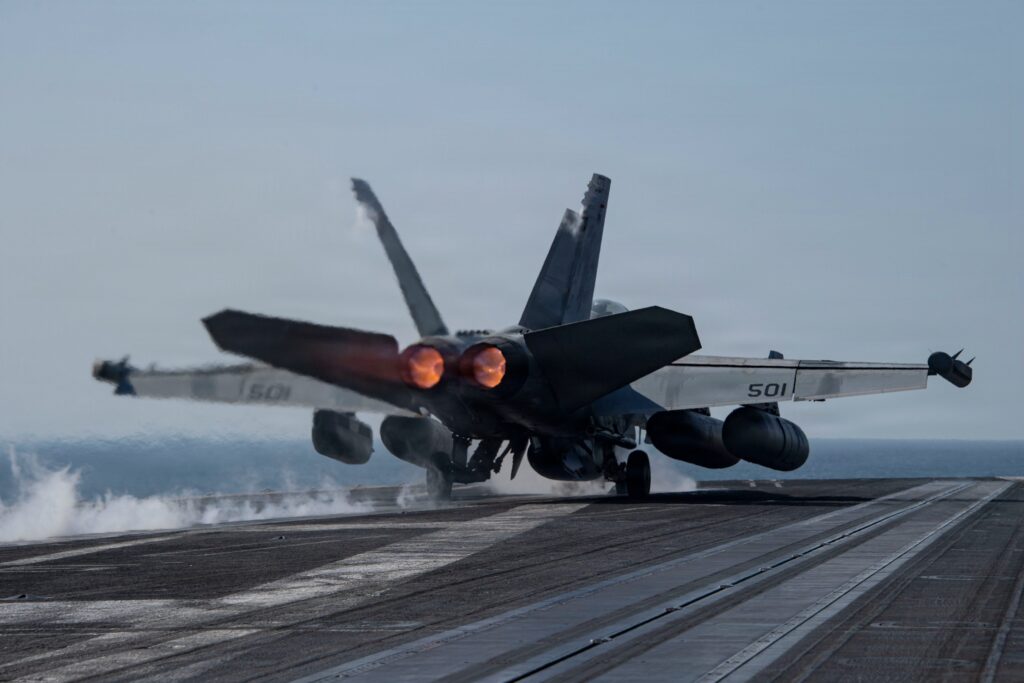
Image: from U.S. Central Command X @CENTCOM
By Open Chronicle Staff with Agencies | March 11, 2026
TAMPA, FL / DUBAI — U.S. Central Command (CENTCOM) issued an urgent, high-level warning Wednesday, instructing Iranian civilians to “immediately” evacuate and avoid all port facilities where Iranian naval assets are present. The directive signals an impending expansion of the “Bomber Pulse” campaign toward Iran’s maritime infrastructure, threatening to cripple the nation’s remaining commercial hubs.
In a starkly worded statement, CENTCOM identified specific categories of personnel—including dockworkers, administrative staff, and commercial vessel crews—as being at extreme risk. “Iranian personnel should avoid Iranian naval vessels and military equipment,” the command warned, noting that the intermingling of civilian and military assets has made these sites primary targets.
sentdefender: U.S. Central Command (CENTCOM) has issued a statement warning civilians in Iran to immediately avoid all port facilities where Iranian naval forces are operating. Iranian dockworkers, administrative personnel, and commercial vessel crews ar… pic.twitter.com/62MoYBu8R5
— NΞMICO (@NemicoNetwork) March 11, 2026
A “PRECISION” WARNING AMIDST RISING TOLL
While the U.S. military reiterated its commitment to “taking every feasible precaution to minimize harm to civilians,” the statement included a sobering disclaimer: “The U.S. military cannot guarantee civilian safety in or near facilities used by the Iranian regime for military purposes.”
The timing of the warning is critical:
-
Casualty Count: Over 1,300 Iranian civilians have reportedly been killed since the conflict began on February 28.
-
Economic Chokehold: By targeting ports, the U.S.-Israeli coalition aims to dismantle the logistics of the IRGC’s “War of Attrition,” which relies on coastal facilities to launch the drones and fast-attack craft currently harassing Gulf shipping.
-
Retaliation Cycle: The move follows Wednesday’s Iranian strikes on Bahrain and the “Green Zone” in Baghdad, which the Pentagon cited as justification for broadening target sets.
THE PORTS IN THE CROSSHAIRS
Military analysts suggest the warning likely applies to major hubs such as Bandar Abbas, Bushehr, and Chabahar. These ports serve a dual purpose, hosting both the regular Iranian Navy (Artesh) and the more aggressive IRGC Navy.
“By issuing this warning, CENTCOM is effectively declaring these ports as ‘active combat zones,'” says retired Admiral James Stavridis. “It’s a clear psychological operation intended to freeze Iranian commerce and force a choice between working for the state or surviving the week.”
SHADOWS OF THE “BLACK RAIN”
In Tehran and coastal cities, the warning has added to a sense of mounting dread. With residents already fleeing the “black rain” of oil smoke in the capital, the prospect of strikes on the nation’s vital port infrastructure threatens to completely sever Iran’s ability to import food and medicine, which are already in short supply due to the blockade.
As the 400-million-barrel IEA oil release begins to hit the global market, the U.S. appears to be moving to ensure that while the world gets its oil, the Iranian regime loses its ability to move anything at all.