
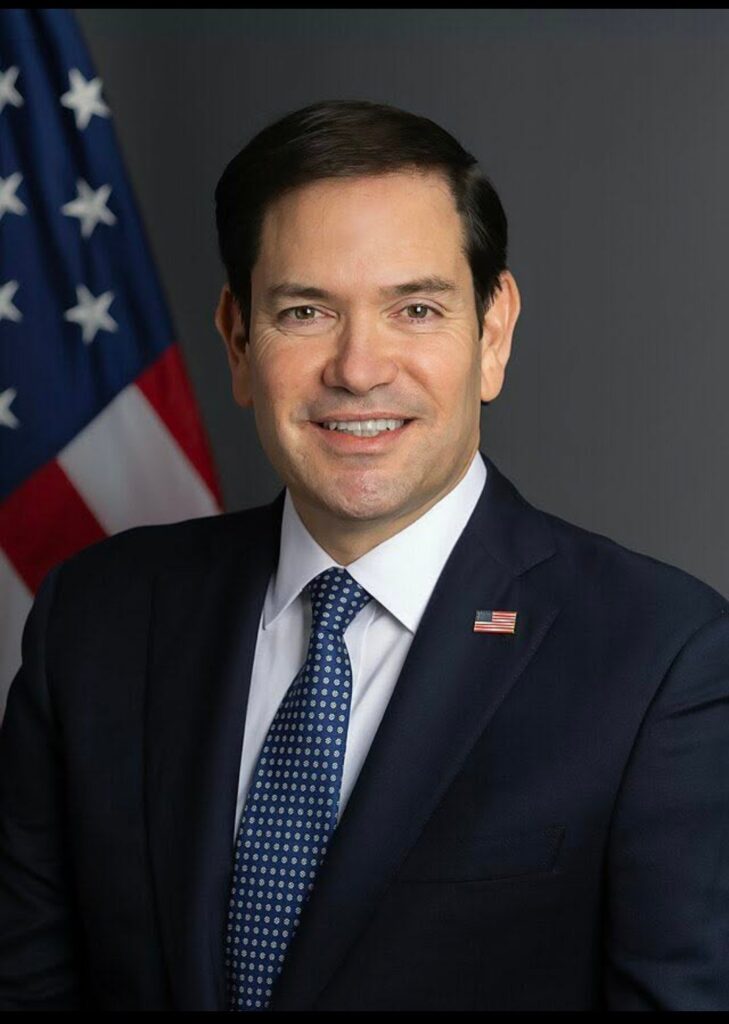
Image: from PROXY X @PROXY0b
By Open Chronicle with Agencies | March 26, 2026
WASHINGTON, D.C. — In a rare glimmer of stability amid a week of geopolitical turbulence, U.S. Secretary of State Marco Rubio confirmed on Thursday that energy shipments through the Strait of Hormuz have seen a significant uptick. The announcement comes as Washington and Tehran engage in high-stakes negotiations over a 15-point peace proposal aimed at de-escalating the “war-beyond-boundaries” that has gripped the Middle East for over a month.
Rubio’s statement, delivered during a briefing on the sidelines of a contentious Cabinet meeting, suggested that despite the aggressive rhetoric emanating from the Oval Office, “technical channels” remain open to ensure the world’s most vital maritime chokepoint stays operational.
The Pulse of Global Energy: The Strait of Hormuz, through which approximately one-fifth of the world’s total oil consumption passes, has been the focal point of global economic anxiety since the conflict began. Rubio noted that the recent “rising flow” of tankers is a result of coordinated security efforts and a temporary understanding that energy markets must be insulated from the immediate kinetic conflict.
“We are seeing a stabilization of transit volumes,” Rubio told reporters. “This is a necessary lifeline for the global economy, particularly for our allies in Asia and Europe who are currently facing extreme price volatility.”
A Tale of Two Narratives: The Secretary’s measured tone stood in sharp contrast to President Donald Trump’s earlier “off the rails” performance during the same Cabinet session. While the President expressed deep hesitation regarding a Saturday ceasefire deadline, Rubio’s department appears to be focusing on the granular details of “energy de-confliction” to prevent a total global meltdown.
However, the calm in the Strait remains fragile. The confirmation of rising flows follows a series of threats from Yemen’s Houthi rebels and reports of intercepted drone swarms in Saudi Arabia’s Eastern Region. Analysts suggest that any breakdown in the 15-point peace plan could see the Strait of Hormuz quickly transition from a corridor of commerce to a theater of naval warfare.
Market Reaction: Global markets responded cautiously to the news. While oil prices had surged past $100 per barrel following the President’s skeptical remarks, the confirmation of steady supply through Hormuz provided a slight cooling effect. Nevertheless, shipping surcharges and insurance premiums remain at historic highs as the industry waits for a definitive signal on the ceasefire.
Diplomatic Outlook: As the weekend deadline approaches, the “Rubio Confirmation” is being viewed by some diplomats as a sign that the U.S. is willing to keep the door open for a deal, even if the public rhetoric remains hostile. Whether the Iranian leadership views the continued energy flow as a gesture of good faith or a strategic necessity remains the pivotal question as the clock ticks toward Saturday.