
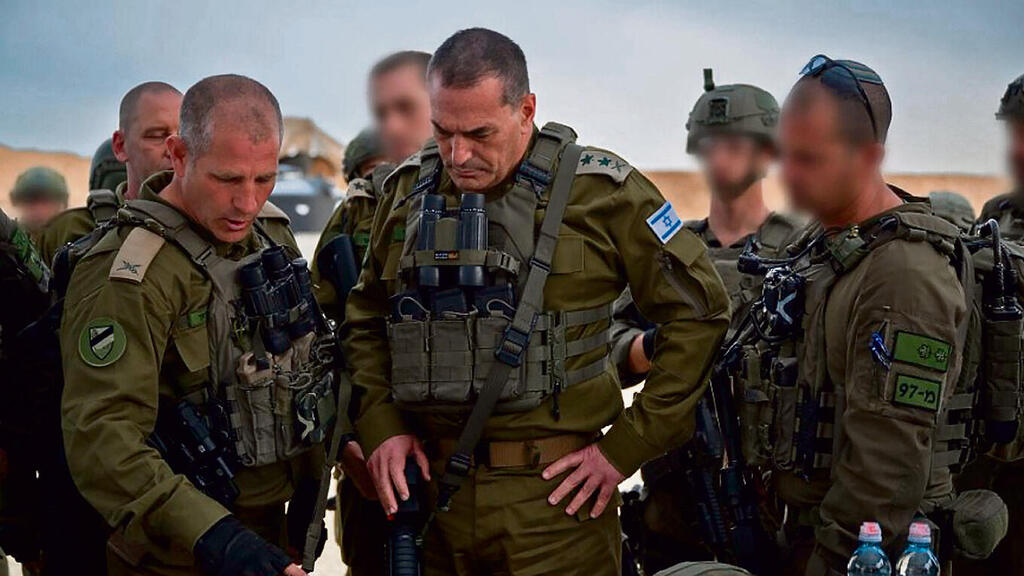
Image: from VPX X @VPX_Press
By Open Chronicle Staff with Agencies
TEL AVIV — The Israeli Defense Forces (IDF) have been placed on a state of maximum operational readiness for a direct, large-scale conflict with Iran. The order, issued by Chief of Staff Lieutenant General Eyal Zamir, follows the dramatic breakdown of U.S.-Iran peace talks in Islamabad and President Trump’s subsequent declaration of a total naval blockade of the Strait of Hormuz.
“War Readiness Mode” Activated
According to reports from Israeli media and APA, the IDF has transitioned into a formal “war readiness mode.” General Zamir has instructed all military branches to “close operational gaps” and prepare for the immediate resumption of hostilities.
-
Target Expansion: The Military Intelligence Directorate has been ordered to rapidly expand its target bank within Iran, focusing specifically on mobile missile launchers, hardened silos, and command-and-control infrastructure.
-
Strike Packages: The Israeli Air Force (IAF) is reportedly finalizing “strike packages” designed for long-range, high-precision saturation attacks. These plans emphasize sustained operational capability to ensure that any opening salvo can be followed by waves of secondary strikes.
A Multi-Front Defense
With the fragile two-week ceasefire now in doubt, Israel is bracing for a coordinated retaliation from Iran and its regional proxies.
-
Air Defense Surge: The IDF is strengthening the deployment of the Iron Dome, David’s Sling, and Arrow systems to counter potential salvos from multiple fronts simultaneously, including Yemen, Iraq, and Syria.
-
Civil Defense: Security levels have been raised across all Israeli districts, and civil defense protocols are being updated as the nation prepares for the possibility of a direct Iranian ballistic missile response to the U.S. blockade.
The Lebanon Context
The shift to high alert comes as Israel continues its ground and air campaign in Lebanon, despite the now-failing Iran-U.S. truce.
-
Hezbollah Standoff: Israeli strikes intensified in southern Lebanon today, with six people reported killed in the village of Maaroub.
-
Diplomatic Pressure: While separate negotiations between Israel and Lebanon are still tentatively scheduled for Tuesday in Washington, the IDF’s pivot toward Iran suggests that the Israeli leadership views the “head of the snake” in Tehran as the primary threat to be neutralized.
“Locked and Loaded” Synergy
The IDF’s mobilization mirrors the “Locked and Loaded” rhetoric coming from the White House. Military analysts suggest that Israeli and U.S. forces are now operating in tight synchronization, with the U.S. Navy handling the maritime blockade of the Strait of Hormuz while the IAF prepares for potential surgical strikes against Iran’s nuclear and missile facilities.
“The rapid update of targets will allow for operational strikes the moment a political decision is made,” a senior military source told reporters in Tel Aviv.
As of April 12, 2026, the Middle East stands at its most precarious point since the war began on February 28, with the machinery of a much larger, multinational conflict now fully in motion.