
Image: from FRANCE 24 English X @France24_en
By Open Chronicle Staff with Agencies
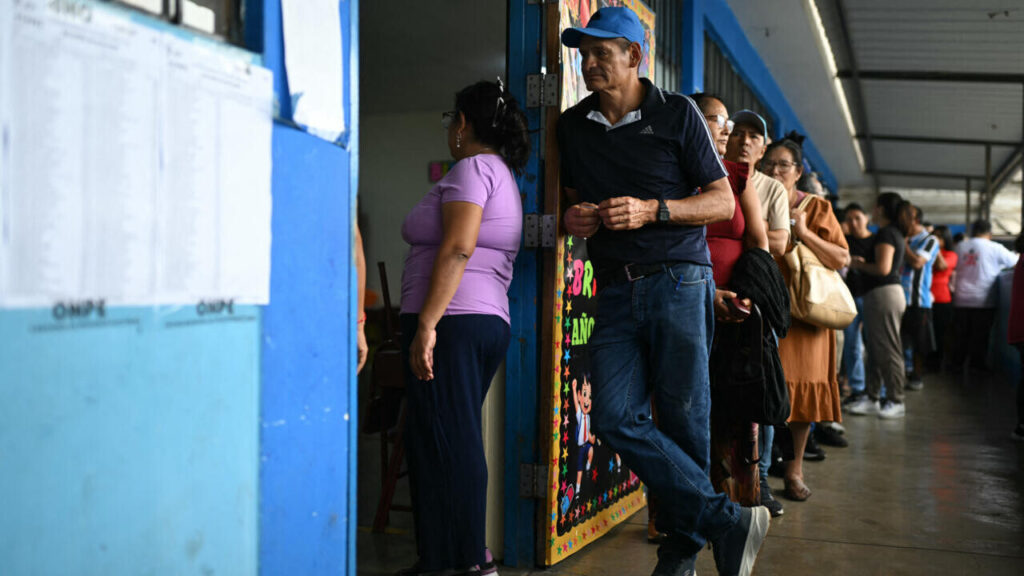
Peru’s general elections were extended into a second day after widespread logistical failures disrupted voting across multiple polling stations, leaving tens of thousands of citizens unable to cast their ballots on the scheduled election day.
Authorities announced the unprecedented extension following significant operational breakdowns, including delayed ballot deliveries, shortages of voting materials, and technical malfunctions at polling centers, particularly in the capital, Lima. These issues forced electoral officials to allow more than 52,000 affected voters to return to the polls the following day.
The disruptions were not limited to domestic voting. Peruvians living abroad, including those registered in cities such as Orlando and Paterson in the United States, were also impacted by delays and granted additional time to vote.
Peru extended voting hours on April 12 after delays in setting up polling stations, following logistic issues involving a contractor responsible for electoral material distribution, electoral authorities said. https://t.co/0Dlctdyy9h pic.twitter.com/TsDLmQmvRR
— Reuters (@Reuters) April 13, 2026
The election, already marked by a highly fragmented political landscape, features more than 30 presidential candidates competing in a race widely expected to proceed to a runoff. No candidate is projected to secure more than 50 percent of the votes required for an outright first-round victory.
The logistical breakdown has intensified concerns about the integrity and organization of the electoral process. Reports of late openings, malfunctioning equipment, and insufficient supplies triggered frustration among voters, some of whom protested at polling stations after hours-long delays.
The vote takes place against a backdrop of deep political instability and public disillusionment. Peru has experienced a rapid turnover of leadership in recent years, with multiple presidents removed or replaced amid corruption scandals and institutional crises.
Public security and rising crime have emerged as central issues in the campaign, with candidates proposing a range of hardline measures. However, widespread distrust toward political elites continues to shape voter sentiment, further complicating an already volatile electoral environment.
Voting in Peru is compulsory for citizens between the ages of 18 and 70, with fines imposed on those who fail to participate. The extension ensures that affected voters are not penalized due to circumstances beyond their control, while also aiming to preserve the legitimacy of the electoral outcome.
Final results are expected only after all ballots from the extended voting period are counted, delaying clarity in a race that is already tight and politically consequential for the country’s future trajectory.
As Peru navigates yet another pivotal election, the logistical challenges underscore broader institutional weaknesses, raising questions about governance capacity and electoral credibility in one of Latin America’s most politically turbulent nations.