
Image: from iSource News X @isource_news
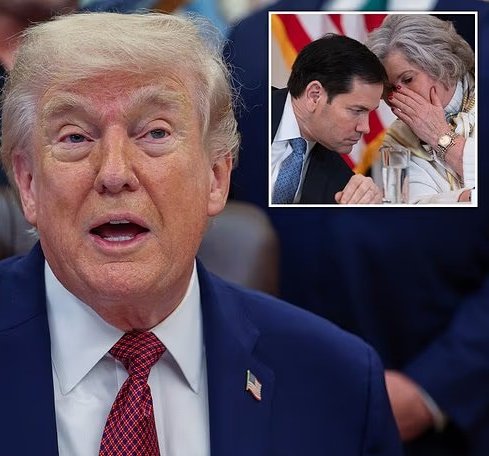
Washington, D.C. — Donald Trump convened an emergency meeting with top national security officials as tensions escalated in the Strait of Hormuz, where renewed restrictions on shipping are threatening global energy supplies.
The high-level briefing reportedly brought together key figures, including Vice President JD Vance, Secretary of State Marco Rubio, Defense Secretary Pete Hegseth, and CIA Director John Ratcliffe, among others.
Oil Artery Under Pressure
The Strait of Hormuz, a narrow passage responsible for roughly 20 percent of the world’s oil transport, has become the focal point of the crisis.
Iran has moved to restrict maritime traffic in response to a U.S. naval blockade targeting its ports, creating a standoff that has disrupted shipping and driven oil prices toward $100 per barrel.
Several vessels have reportedly turned back, while others have come under fire, heightening fears of a broader escalation.
Conflicting Signals on Ceasefire
The developments come amid a fragile ceasefire between Washington and Tehran, set to expire within days.
While Trump has expressed optimism about ongoing negotiations, he has also warned that military action remains an option if talks fail.
“Iran cannot blackmail the United States,” he said, emphasizing a firm stance despite describing discussions as productive.
Naval Standoff Intensifies
U.S. officials believe the blockade is intended to pressure Iran into a diplomatic agreement. However, Tehran has responded with its own measures, effectively limiting access to the waterway and warning that vessels entering the area could be targeted.
Iranian officials have also stated that any interference with maritime operations, including mine-clearing efforts, could be viewed as a violation of the ceasefire.
Rising Risk of Escalation
The situation has already shown signs of volatility, with reports of attacks on commercial ships attempting to transit the strait.
As both sides maintain pressure tactics, the risk of miscalculation is increasing, raising concerns among global markets and governments dependent on stable energy supplies.
Diplomatic Window Narrowing
Despite the escalating rhetoric and military positioning, negotiations remain ongoing.
Iran’s leadership has indicated it is reviewing new proposals from Washington, though no agreement has yet been reached.
Trump suggested that developments could emerge soon, but acknowledged that the outcome remains uncertain.
Global Implications
Any prolonged disruption in the Strait of Hormuz could have far-reaching consequences for the global economy, affecting energy prices, supply chains, and geopolitical stability.
With the ceasefire deadline approaching, the coming days are likely to be decisive in determining whether the crisis moves toward resolution or further confrontation.