
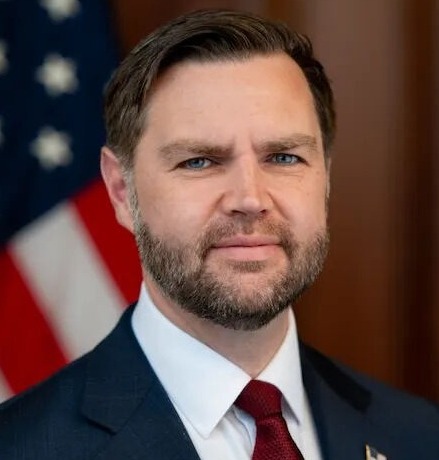
Image: from Cointelegraph X @Cointelegraph
By Open Chronicle with agencies
Fresh uncertainty has emerged over the implementation of the recently signed U.S.-Iran peace agreement after U.S. Vice President JD Vance withdrew from a planned trip to Switzerland, where negotiators were expected to begin technical discussions on the accord aimed at ending months of conflict in the Middle East.
The cancellation comes just days after U.S. President Donald Trump and Iranian President Masoud Pezeshkian signed a landmark memorandum of understanding designed to halt the war and establish a framework for broader negotiations over Iran’s nuclear program and regional security issues.
According to the White House, Vance and the American delegation were prepared to travel to Geneva as soon as logistical arrangements were finalized. However, officials acknowledged that negotiations between Washington and Tehran remain complex and unpredictable.
Iranian officials have also cast doubt on the immediate start of formal talks. The semi-official Tasnim news agency reported that Tehran wants to see concrete signs that Washington is implementing the interim agreement before sending negotiators to Switzerland. Iranian authorities have not yet confirmed whether a delegation will attend the planned discussions.
Fragile Path Toward Peace
The diplomatic uncertainty highlights the challenges facing both countries despite the agreement that extended a ceasefire and created a 60-day window to negotiate a more comprehensive settlement.
The accord includes several major provisions. It calls for the reopening of the Strait of Hormuz, allows Iran to resume oil exports under U.S. waivers, establishes a proposed $300 billion reconstruction fund for Iran, and commits both sides to negotiations over the future of Tehran’s nuclear activities.
Iran’s Supreme Leader, Ayatollah Mojtaba Khamenei, delivered his first public comments on the agreement, arguing that President Trump had pursued the deal “out of desperation.” While approving the negotiations, Khamenei warned that Tehran would reject excessive American demands during future discussions.
“If the American side wants to be too demanding, we will not accept it,” he said.
Critics Question the Agreement
The agreement has generated significant debate in Washington. Several Republican lawmakers have criticized the administration for offering sanctions relief and economic incentives without securing what many had previously described as key war objectives.
Before the conflict began, Trump had repeatedly demanded Iran’s “unconditional surrender” and vowed to dismantle the country’s nuclear and missile capabilities. Critics argue that the final agreement falls short of those goals.
Under the current framework, Iran has reaffirmed that it will not pursue nuclear weapons, agreed to dilute portions of its enriched uranium stockpile under international supervision, and accepted inspections by the International Atomic Energy Agency. However, the country retains its nuclear infrastructure and rejected demands to transfer enriched uranium abroad.
Supporters of the agreement argue that the upcoming negotiations could still produce a stronger nuclear arrangement than the 2015 deal that Trump withdrew from during his first presidency.
Regional Tensions Persist
Questions about the durability of the agreement have also intensified because fighting continues elsewhere in the region.
Israel, which was not involved in the negotiations and has publicly distanced itself from the accord, continued military operations against Hezbollah positions in Lebanon. Israeli airstrikes were reported on Thursday, despite the agreement’s stated objective of permanently ending the broader regional conflict.
The deal specifically references the need to safeguard Lebanon’s sovereignty and achieve a lasting cessation of hostilities. However, Israeli officials have indicated they do not intend to withdraw from areas currently under military control and recently released maps showing an expanded security zone.
The continued fighting has exposed growing tensions between Washington and Jerusalem. Trump has openly criticized Israeli operations in Lebanon and insisted that all parties should respect the ceasefire process, creating one of the most significant policy disagreements between the two allies in recent decades.
The Road Ahead
Negotiators now face the difficult task of transforming the interim agreement into a permanent settlement within the next 60 days. The talks are expected to focus on Iran’s nuclear program, missile capabilities, sanctions relief, regional security arrangements, and the future administration of maritime routes through the Strait of Hormuz.
While both governments continue to publicly support the framework, the cancellation of Vance’s trip and the absence of confirmed Iranian participation underline how fragile the process remains.
For now, the ceasefire holds, but the success of the agreement will depend on whether both sides can overcome deep mistrust and translate diplomatic promises into concrete actions.