
Image: Shafek Koreshe X @shafeKoreshe
By Liam Scott | Staff Writer with Agencies
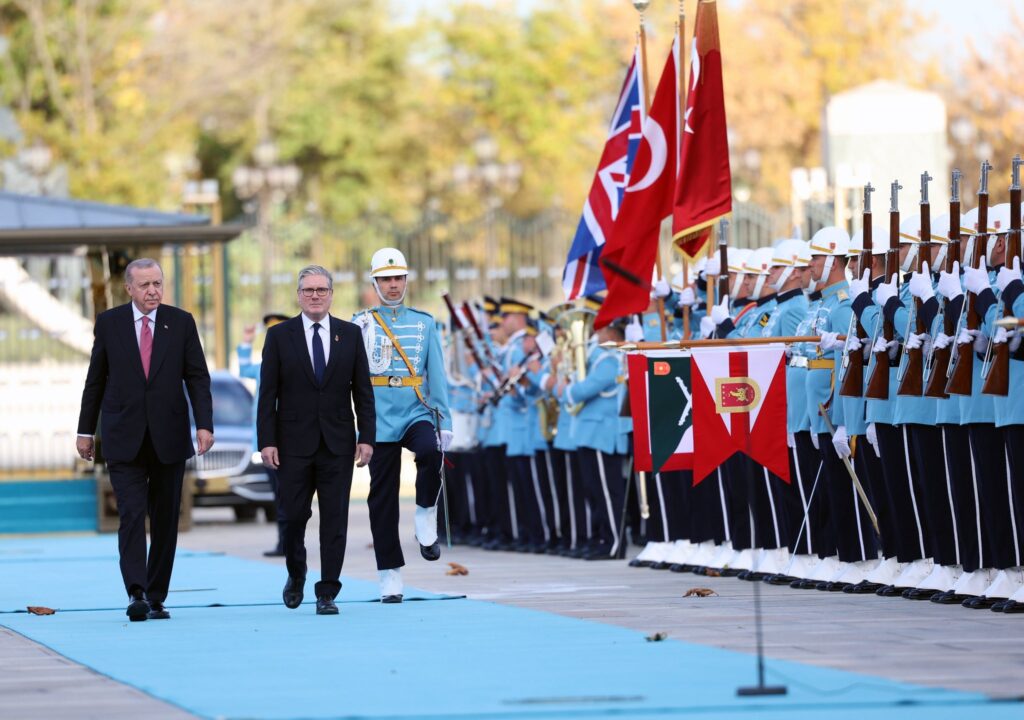
In a landmark development for defense cooperation between Turkey and the United Kingdom, the two nations have finalized a major agreement for the sale of 20 Eurofighter Typhoon jets. The deal, valued at nearly $11 billion, was signed during British Prime Minister Keir Starmer’s official visit to Ankara. The agreement has been hailed as a significant milestone in the strategic relationship between Turkey and the UK, with far-reaching implications for both countries’ defense capabilities and economic growth.
A Strategic Deal for Both Nations
The defense deal, which includes 20 Eurofighter Typhoon jets, represents a crucial step in bolstering Turkey’s air combat capabilities. The UK’s Ministry of Defense described it as “the biggest fighter jet deal in a generation,” emphasizing its potential to strengthen NATO’s defense infrastructure in the region. Prime Minister Starmer, speaking after talks with Turkish President Recep Tayyip Erdoğan, expressed his optimism about the long-term benefits of the deal: “This is a really significant deal because it’s £8 billion [$10.7 billion] worth of orders. These are jobs that will last for 10 years, making the Typhoons.”
The deal also includes an option for Turkey to purchase additional aircraft in the future, further cementing the growing defense ties between Ankara and London. “The deal will bolster security across NATO, deepen our bilateral defense cooperation, and boost economic growth in both countries, securing 20,000 British jobs,” Starmer added, highlighting the economic impact of the agreement for the UK.
In a landmark development for defense cooperation between Turkey and the United Kingdom, the two nations have finalized a major agreement for the sale of 20 Eurofighter Typhoon jets. The deal, valued at nearly $11 billion, was signed during British Prime Minister Keir Starmer’s official visit to Ankara. The agreement has been hailed as a significant milestone in the strategic relationship between Turkey and the UK, with far-reaching implications for both countries’ defense capabilities and economic growth.
⚡The #UK 🇬🇧 & #Türkiye 🇹🇷 signed an £8 billion ($10.7 billion) deal for 20 Eurofighter Typhoon jets, British Prime Minister @Keir_Starmer said.
"A really big day for United Kingdom, a really big day for jobs … 20 Typhoons … Bringing us together strategically." pic.twitter.com/yv87T3evbU
— Shafek Koreshe (@shafeKoreshe) October 27, 2025
A Strategic Deal for Both Nations
The defense deal, which includes 20 Eurofighter Typhoon jets, represents a crucial step in bolstering Turkey’s air combat capabilities. The UK’s Ministry of Defense described it as “the biggest fighter jet deal in a generation,” emphasizing its potential to strengthen NATO’s defense infrastructure in the region. Prime Minister Starmer, speaking after talks with Turkish President Recep Tayyip Erdoğan, expressed his optimism about the long-term benefits of the deal: “This is a really significant deal because it’s £8 billion [$10.7 billion] worth of orders. These are jobs that will last for 10 years, making the Typhoons.”
The deal also includes an option for Turkey to purchase additional aircraft in the future, further cementing the growing defense ties between Ankara and London. “The deal will bolster security across NATO, deepen our bilateral defense cooperation, and boost economic growth in both countries, securing 20,000 British jobs,” Starmer added, highlighting the economic impact of the agreement for the UK.
Strengthening NATO’s Regional Defense
For Turkey, the acquisition of the Eurofighter Typhoons is a crucial move to modernize its air force. Ankara has long sought to upgrade its defense capabilities, especially after being expelled from the US-led F-35 Joint Strike Fighter program in 2019 due to its controversial purchase of Russia’s S-400 missile defense system. This deal with the UK is a clear signal of Turkey’s growing autonomy in defense procurement and a strategic pivot away from previous reliance on the United States.
The British Defense Ministry noted that the deal would significantly enhance Turkey’s air combat capabilities, ensuring that NATO maintains a robust defense posture in the volatile region. Furthermore, Starmer and Erdoğan both emphasized that the agreement reflects deeper strategic relations between the two nations, with Erdoğan calling the deal “a new symbol of the strategic relations” between Ankara and London.
Political and Economic Implications
In addition to its military significance, the deal also has important political and economic dimensions. The agreement is seen as a potential turning point for Turkey’s defense policy, which had previously been heavily reliant on the United States for advanced military technology. Analysts, including Aaron Stein, director of the Foreign Policy Research Institute, pointed out that the deal marks a significant shift in Turkey’s defense approach, particularly considering the country’s previous reluctance to join the Eurofighter consortium.
Moreover, the deal comes at a time of growing defense and industrial cooperation between Turkey and other nations, including Qatar. Turkish officials confirmed that two Eurofighter jets, which had already arrived in Turkey, were likely those originally intended for Qatar, further complicating the defense landscape in the region. Qatar’s emir, Sheikh Tamim bin Hamad Al Thani, is set to visit Ankara for talks, which are expected to address both defense matters and ongoing issues related to the Gaza conflict.
The Controversy and Diplomatic Tensions
While the deal has been largely welcomed as a diplomatic and strategic success for both countries, it has not been without its challenges. The timing of the agreement coincides with a domestic controversy in Turkey, where the country’s jailed opposition mayor, Ekrem İmamoğlu, has been charged with “political espionage” linked to a businessman accused of spying for the UK. Neither Ankara nor London has commented on the case, but it has cast a shadow over an otherwise successful diplomatic visit.
The diplomatic controversy underscores the complex and sometimes contentious nature of Turkey’s foreign policy, which often involves balancing its relationships with major powers, including the United States, the European Union, and regional players like Qatar.
Conclusion: A New Era of Turkey-UK Defense Relations
The $11 billion Eurofighter deal between Turkey and the UK is not just about advanced fighter jets; it represents a broader shift in Turkey’s defense strategy and its growing alignment with European defense initiatives. With Turkey set to modernize its air force and strengthen its role within NATO, the deal marks a significant milestone in the evolving defense and economic cooperation between the two nations. As Turkey continues to diversify its defense partnerships, the long-term implications of this agreement will likely extend beyond military cooperation, shaping the future of Turkey’s foreign policy in the years to come.
I've just agreed a deal with Türkiye to secure 20,000 British jobs across the UK. pic.twitter.com/n9wCYL7rRj
— Keir Starmer (@Keir_Starmer) October 27, 2025
Strengthening NATO’s Regional Defense
For Turkey, the acquisition of the Eurofighter Typhoons is a crucial move to modernize its air force. Ankara has long sought to upgrade its defense capabilities, especially after being expelled from the US-led F-35 Joint Strike Fighter program in 2019 due to its controversial purchase of Russia’s S-400 missile defense system. This deal with the UK is a clear signal of Turkey’s growing autonomy in defense procurement and a strategic pivot away from previous reliance on the United States.
The British Defense Ministry noted that the deal would significantly enhance Turkey’s air combat capabilities, ensuring that NATO maintains a robust defense posture in the volatile region. Furthermore, Starmer and Erdoğan both emphasized that the agreement reflects deeper strategic relations between the two nations, with Erdoğan calling the deal “a new symbol of the strategic relations” between Ankara and London.
Political and Economic Implications
In addition to its military significance, the deal also has important political and economic dimensions. The agreement is seen as a potential turning point for Turkey’s defense policy, which had previously been heavily reliant on the United States for advanced military technology. Analysts, including Aaron Stein, director of the Foreign Policy Research Institute, pointed out that the deal marks a significant shift in Turkey’s defense approach, particularly considering the country’s previous reluctance to join the Eurofighter consortium.
Moreover, the deal comes at a time of growing defense and industrial cooperation between Turkey and other nations, including Qatar. Turkish officials confirmed that two Eurofighter jets, which had already arrived in Turkey, were likely those originally intended for Qatar, further complicating the defense landscape in the region. Qatar’s emir, Sheikh Tamim bin Hamad Al Thani, is set to visit Ankara for talks, which are expected to address both defense matters and ongoing issues related to the Gaza conflict.
The Controversy and Diplomatic Tensions
While the deal has been largely welcomed as a diplomatic and strategic success for both countries, it has not been without its challenges. The timing of the agreement coincides with a domestic controversy in Turkey, where the country’s jailed opposition mayor, Ekrem İmamoğlu, has been charged with “political espionage” linked to a businessman accused of spying for the UK. Neither Ankara nor London has commented on the case, but it has cast a shadow over an otherwise successful diplomatic visit.
The diplomatic controversy underscores the complex and sometimes contentious nature of Turkey’s foreign policy, which often involves balancing its relationships with major powers, including the United States, the European Union, and regional players like Qatar.
Conclusion: A New Era of Turkey-UK Defense Relations
The $11 billion Eurofighter deal between Turkey and the UK is not just about advanced fighter jets; it represents a broader shift in Turkey’s defense strategy and its growing alignment with European defense initiatives. With Turkey set to modernize its air force and strengthen its role within NATO, the deal marks a significant milestone in the evolving defense and economic cooperation between the two nations. As Turkey continues to diversify its defense partnerships, the long-term implications of this agreement will likely extend beyond military cooperation, shaping the future of Turkey’s foreign policy in the years to come.