
Image: from sunny #LN1 X@505L4NDO
By Open Chronicle Staff
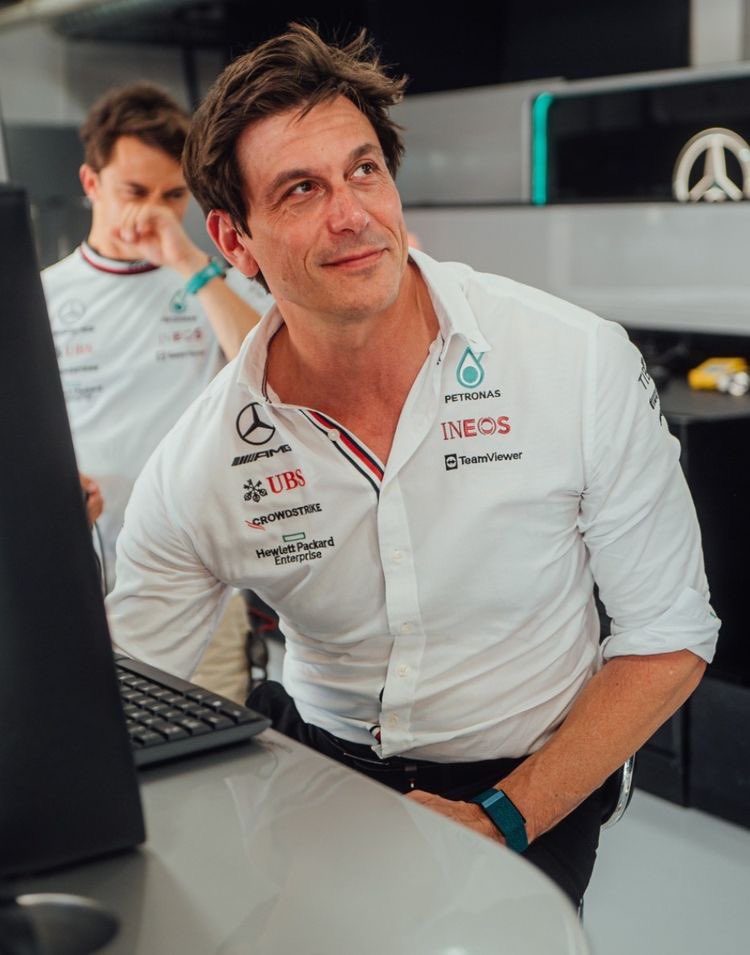
Formula 1 is bracing for a radical transformation in 2026, and Mercedes team principal Toto Wolff has sparked a wave of speculation with a bold claim: the next generation of cars could theoretically reach or even exceed 400km/h (248.5mph).
While the current modern record stands at 378km/h, set by Valtteri Bottas in Baku in 2016, Wolff’s comments suggest a significant leap in straight-line performance is on the horizon.
A “Marketing Boost” for Engineering Excellence
Speaking on the Beyond The Grid podcast, Wolff clarified his original comments, admitting he wanted to give the new power units a “marketing boost” because critics were underestimating the complexity of the technology.
“If you put it all together, we could do 400km/h or maybe even exceed it,” Wolff explained. However, he was quick to add a crucial caveat: “Obviously, you’re going to run out of energy for the next straight and then not be quick enough.”
The 2026 regulations feature a massive increase in electrical energy, moving toward a 50/50 power split between the internal combustion engine and the electric motor.
The Engineering Challenge: “Epic” Starts and Early Derates
Hywel Thomas, the managing director of Mercedes High Performance Powertrains, joined Wolff to provide a more technical perspective on how this speed would be achieved—and why it might not be a common sight.
Under the new rules, the MGU-H (the electric machine on the turbocharger) is being removed. This introduces the risk of “turbo lag,” which engineers plan to mitigate using the increased electric power.
“I think in terms of start-straight, the performance is going to be pretty epic in comparison to what we’ve got today,” Thomas noted. However, because the battery capacity is finite, drivers will likely experience an earlier “derate”, the point where the electric motor cuts out to save energy, compared to the current generation.
New Terminology for a New Era
To help fans navigate these changes, F1 recently revealed simplified terminology for the key 2026 rule elements. These include:
- Boost Mode & Overtake Mode: New ways for drivers to deploy extra electrical energy.
- Active Aero: Wings that move to reduce drag on straights and increase downforce in corners.
- Recharge: A specific focus on harvesting energy under braking.
As the sport celebrates its 75th year, the 2026 reset promises to be the biggest shake-up in F1 history, trading sustained high speeds for explosive bursts of “epic” acceleration.