
Image: TaraBull X@TaraBull
By Science Research Desk, January 18, 2026*
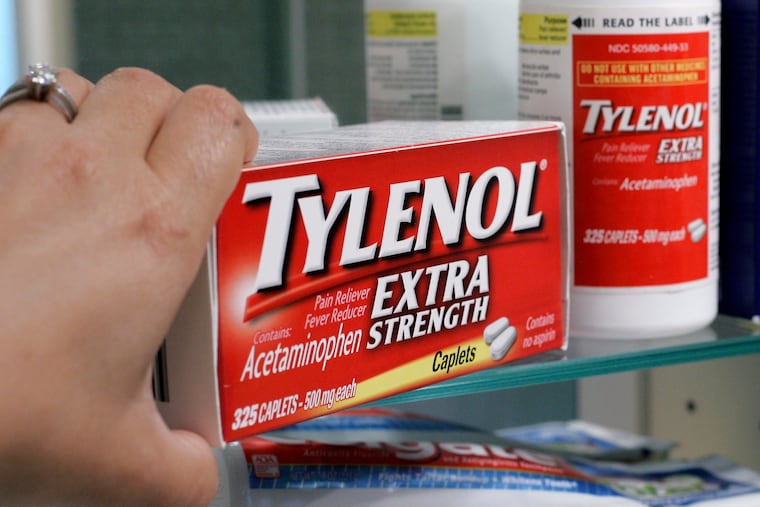
A new report from the University of Colorado School of Medicine aims to change the public conversation about acetaminophen, the active ingredient in Tylenol. While social media keeps flooded with unverified claims linking the drug to autism in children, medical experts are warning about a much more immediate and scientifically supported threat: acute liver failure caused by overdose.
The Silent Epidemic of Poisoning
Acetaminophen is the most widely used over-the-counter medication for pain and fever in the United States. However, its widespread use masks a significant risk. According to Dr. Kennon Heard, a professor of emergency medicine and medical toxicology at CU Anschutz, the drug accounts for roughly 56,000 emergency department visits and 2,600 hospitalizations each year.
Even more alarming is the drug’s impact on organ health. Acetaminophen overdose is currently the leading cause of acute liver failure in the U.S., making up nearly 50% of cases and about 20% of liver transplants nationwide.
Why Overdoses Happen
The main danger stems from the drug being present in many products. Because acetaminophen is common in cold and flu remedies, sinus medications, and menstrual relief products, people often accidentally take too much.
“There are cases where people accidentally take too much,” explains Dr. Heard. “They might have a bad toothache and think if two pills are good, four or eight must be better. We also see many cases linked to repeated intentional overdoses.”
Limits of the Standard Antidote
For decades, the medical community has used acetylcysteine as the main antidote. While very effective, its window of effectiveness is narrow. If a patient starts treatment more than eight hours after ingestion, the ability to prevent severe liver damage drops significantly.
Since many patients wait until symptoms of liver injury appear before seeking help, doctors often have a treatment that “doesn’t really work at all” in the most critical cases.
A New Hope: The Antifreeze Antidote
Researchers at the University of Colorado and Denver Health are now conducting a Phase II clinical trial to test a promising new treatment: fomepizole.
Traditionally used to treat poisoning from antifreeze (ethylene glycol) or methanol, fomepizole works by blocking the enzyme alcohol dehydrogenase. By preventing the body from converting toxins into deadly byproducts, researchers believe it could provide an additional layer of protection for the liver when given alongside acetylcysteine.
The ongoing “proof of concept” trial is double-blind and is currently enrolling participants at several Colorado hospitals. If successful, the study could lead to a larger trial focused on survival rates and reducing the need for liver transplants.
Expert Advice
The medical team stresses that acetaminophen is safe when taken as directed. To avoid the “real danger” of the drug, experts recommend three simple rules:
Read every label: Check if your cold medicine already contains acetaminophen before taking a separate painkiller.
Follow the dosage exactly: Never assume that “more is better” for severe pain.
Know the limits: If you drink alcohol or have existing liver problems, consult a doctor before taking.
Story Source:
Materials provided by the University of Colorado School of Medicine. Originally written by Mark Harden. Note: Content may be edited for style and length.