
Image: from X22 Report X @X22Report
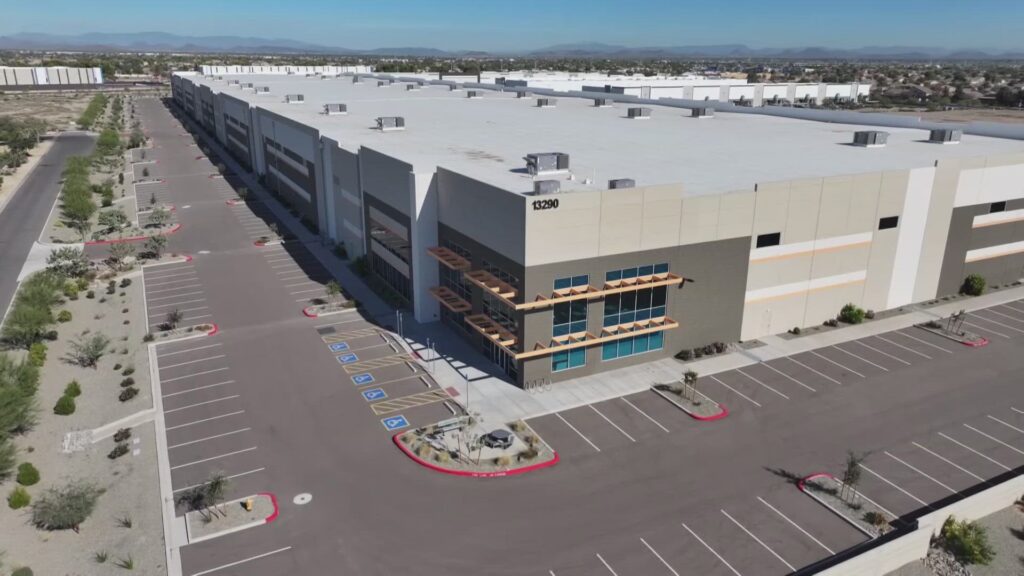
WASHINGTON — Internal Department of Homeland Security documents have revealed an expansive $38.3 billion plan to overhaul the nation’s immigration detention system by converting industrial warehouses into a network of “human warehouses” designed to facilitate mass deportations.
The strategy, first detailed in reports by The Washington Post, represents the most comprehensive blueprint to date of the Trump administration’s efforts to scale up enforcement capacity as it prepares for a projected surge in arrests.
A Two-Tiered Detention Model
The plan moves away from the traditional model of transferring detainees to disparate facilities based on bed availability. Instead, it proposes a streamlined “funnel” system:
-
Regional Processing Centers: ICE intends to acquire and retrofit 16 buildings across the country. Each site will hold between 1,000 and 1,500 detainees, who will stay for an average of three to seven days for initial processing.
-
Large-Scale Hubs: Eight massive facilities will serve as the “primary locations” for international removals, each capable of holding 7,000 to 10,000 people. Detainees are expected to be held at these hubs for approximately 60 days pending deportation.
Total capacity for the new network, combined with existing facilities the government plans to take ownership of, is estimated at 92,600 detainees at any given time.
Massive Financial Undertaking
The $38.3 billion budget for the project—funded by the “One Big Beautiful Bill Act”—exceeds the annual spending of 22 U.S. states. The costs of individual retrofits are significant; for example, a single facility in Merrimack, New Hampshire, is projected to cost $158 million to renovate and another $146 million to operate over its first three years.
ICE has already moved quickly, spending over $690 million in recent weeks to acquire at least eight industrial buildings in states including Maryland, Arizona, Georgia, Texas, Pennsylvania, and Michigan.
Local and Legislative Pushback
The “warehousing” strategy has ignited a firestorm of local opposition. In Georgia, Senator Raphael Warnock recently filed an amendment to block the conversion of facilities in Social Circle and Oakwood, citing unified community opposition.
“The people of Georgia do not want massive immigration detention centers in their backyards,” Warnock stated, noting that the Social Circle facility would hold double the town’s actual population.
The revelations come at a critical moment in Washington, as a Department of Homeland Security shutdown looms. Democratic lawmakers have blocked funding bills in an effort to force the administration to accept stricter guardrails on federal immigration enforcement tactics. Despite the political gridlock, ICE documents indicate the agency intends to have the new detention model fully implemented by the end of the 2026 fiscal year.