
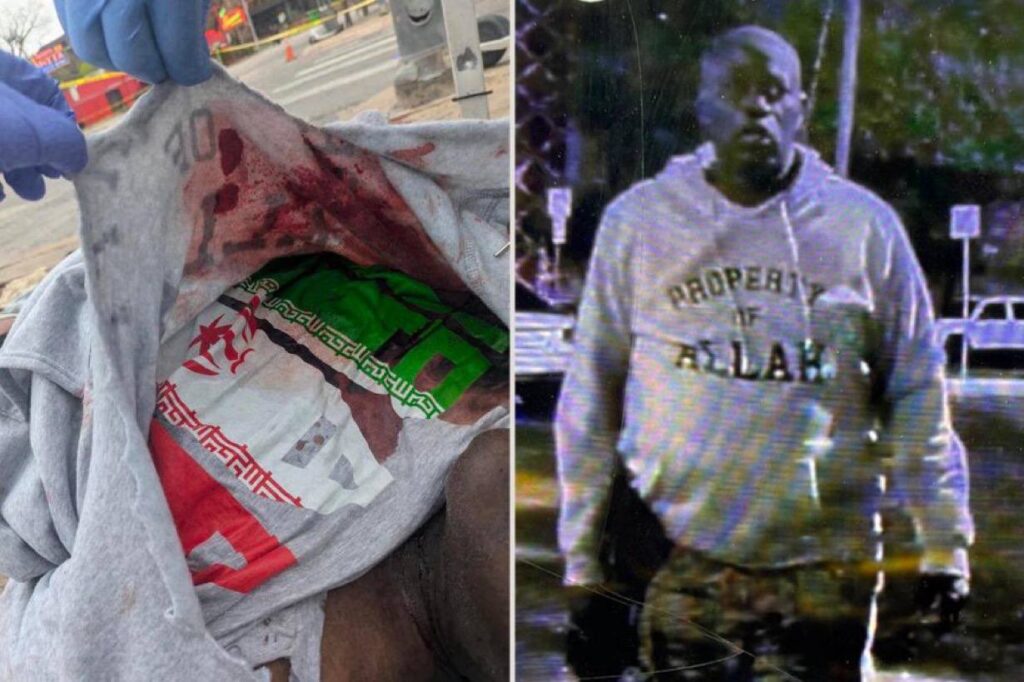
Image: from Instablog9ja X @instablog9ja
AUSTIN, TX — Federal authorities and local police have identified the gunman responsible for a deadly mass shooting at a popular Austin bar, an incident now being scrutinized as a potential act of international terrorism.
The suspect was identified Monday as Ndiaga Diagne, a 53-year-old U.S. citizen of Senegalese descent residing in the outskirts of the Texas capital. The death toll from the attack rose to four after a critically injured victim was taken off life support on Monday.
The Attack at Buford’s
The shooting occurred at approximately 2:00 AM Sunday at Buford’s, a popular outdoor venue in Austin’s vibrant West 6th Street entertainment district. According to Austin Police Chief Lisa Davis, officers arrived on the scene within minutes to find a chaotic environment. Officers confronted the armed suspect and “returned fire, killing the individual,” Davis confirmed during a press briefing.
In addition to the four fatalities, 13 others were wounded in the hail of gunfire, with at least two remaining in critical condition.
Evidence of Radicalization
While the FBI and federal investigators have yet to establish a definitive motive, the clothing worn by Diagne at the time of his death has raised significant alarms. According to police reports, the gunman was wearing:
-
A t-shirt emblazoned with the phrase “Property of Allah.”
-
A shirt featuring the national flag of Iran.
The timing of the attack—coming just 24 hours after the joint U.S.-Israeli strikes that killed Iranian Supreme Leader Ali Khamenei—has led investigators to probe whether the shooting was a “lone wolf” retaliatory strike.
“Off the Radar”
Preliminary background checks indicate that Diagne was not previously known to law enforcement or on any federal terror watchlists. Neighbors described him as a quiet individual, making the sudden outburst of violence in the university bar district even more shocking to the local community.
Federal agents are currently analyzing Diagne’s digital footprint and personal communications to determine if he had been in contact with foreign entities or had been radicalized online following the escalation of the conflict in the Middle East.
The U.S. State Department has cautioned that American cities may face heightened security risks as Iranian proxy networks and sympathizers react to the ongoing military campaign in Tehran.