
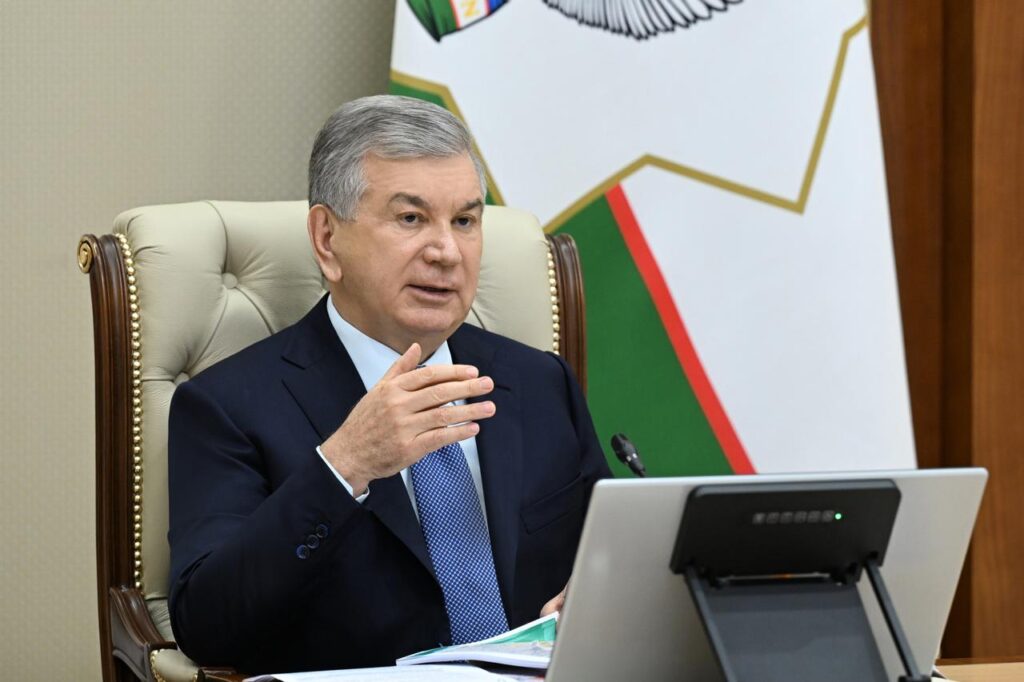
Image: from Shavkat Mirziyoyev’s Press Service X @president_uz
By Open Chronicle Staff with Agencies | March 4, 2026
TASHKENT, Uzbekistan — President Shavkat Mirziyoyev has signed a landmark decree significantly toughening the nation’s stance on crimes against children, introducing life imprisonment for pedophilia and stricter penalties for sexual harassment.
The decree, signed following an interdepartmental council meeting on Tuesday, represents a major shift in Uzbekistan’s legal framework regarding the protection of women and children. The new measures come after a comprehensive review of proposals gathered from the public, expert recommendations, and international legal best practices.
Zero Tolerance for Crimes Against Children
Under the new decree, individuals convicted of pedophilia now face the maximum penalty of life imprisonment. This move aligns Uzbekistan with some of the strictest legal standards globally for the protection of minors.
“These issues have been repeatedly discussed at the highest level,” the presidency said in a statement. “Specific tasks have been assigned to law enforcement and government departments to ensure that the rights of the most vulnerable are prioritized.”
In addition to the life sentence for child sex crimes, the decree introduces administrative arrests of up to five days for sexual harassment, a move aimed at curbing broader instances of harassment and violence.
Strengthening Social Protections
The interdepartmental council, newly established to coordinate these efforts, has been tasked with the rapid implementation of these measures. President Mirziyoyev has instructed officials to conduct a nationwide public awareness campaign to explain the new legal consequences and ensure the population understands the administration’s zero-tolerance policy.
The signing of the decree follows a series of initiatives by the Mirziyoyev administration to modernize Uzbekistan’s legal system and improve its human rights record. While international attention has been focused on regional conflicts and shifting energy prices, the Tashkent government appears focused on internal social reform and strengthening its judicial response to domestic violence.
The move has been welcomed by local advocacy groups, though observers note that the effectiveness of the new laws will depend heavily on the rigorous enforcement by the country’s law enforcement agencies.