
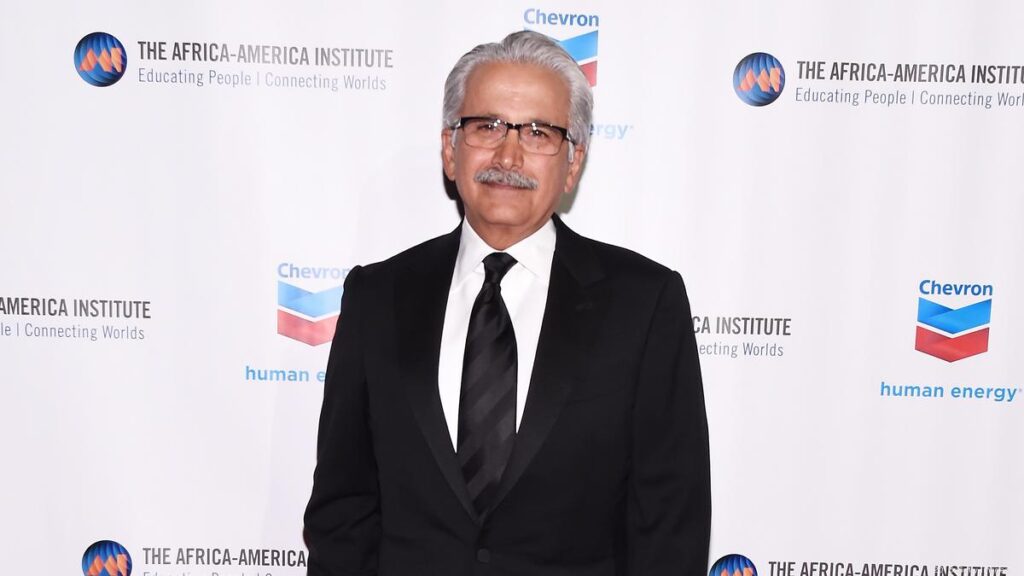
Image: from Aadil Brar X @aadilbrar
By Open Chronicle Staff Monday, March 16, 2026
WASHINGTON — A bombshell report published Sunday by The Wall Street Journal has sent shockwaves through the capital, revealing that a former high-ranking oil executive served as a shadow architect for the Trump administration’s recent military operation in Venezuela.
The revelation that Ali Moshiri, the former head of Chevron’s Latin American operations, provided the strategic blueprint for the capture of President Nicolás Maduro has left journalists and foreign policy experts stunned, pulling back the curtain on the influence of corporate interests in modern warfare.
The “Chevron Connection” in the CIA
According to the report, Moshiri acted as a key informant for the CIA months before the U.S. launched its unprecedented “attack and takeover” of Caracas earlier this year. While the administration publicly framed the mission as a liberation effort, internal documents suggest the post-Maduro power structure was meticulously curated to favor industrial stability over democratic transitions.
The most controversial aspect of Moshiri’s involvement was his successful lobbying against Maria Corina Machado. Despite Machado being championed by American conservatives as the legitimate democratic successor, Moshiri reportedly advised the CIA that she lacked the necessary “internal respect” to maintain order. Instead, he pushed for Delcy Rodríguez, Maduro’s former Vice President, to take the reins.
“Ditching Democracy for Oil”
The advice appears to have been taken to heart at the highest levels. Only hours after Maduro was successfully taken into U.S. custody, President Trump publicly dismissed Machado’s leadership prospects, using language that mirrored Moshiri’s private briefings.
Investigative journalists were quick to point out the financial implications of this alignment.
“Chevron’s man in [Venezuela] told Trump to ditch democracy and go for Rodriguez ’cause she’d secure the oil,” wrote investigative reporter Antonia Juhasz on X.
Though Moshiri officially ended his consulting relationship with Chevron in 2024, critics argue his influence ensures the oil giant remains the dominant player in the Orinoco Belt, the world’s largest oil reserve. Kenneth Vogel of The New York Times echoed this, noting that the “secret CIA assessment” favored a path that would directly enrich the American oil industry.
A “Breathless” Revelation
The story has sparked a firestorm among the White House press corps. The New York Times columnist Lydia Polgreen remarked that the report “takes your breath away,” as it suggests a major U.S. military intervention was steered not by diplomats or traditional intelligence officers, but by the strategic needs of a former petroleum executive.
The White House has yet to comment on the Journal’s report, but the fallout is expected to dominate congressional hearings scheduled for later this week. As Delcy Rodríguez begins her transition into power under the watchful eye of U.S. forces, the question remains: was the mission to free Venezuela, or to secure its exports?