
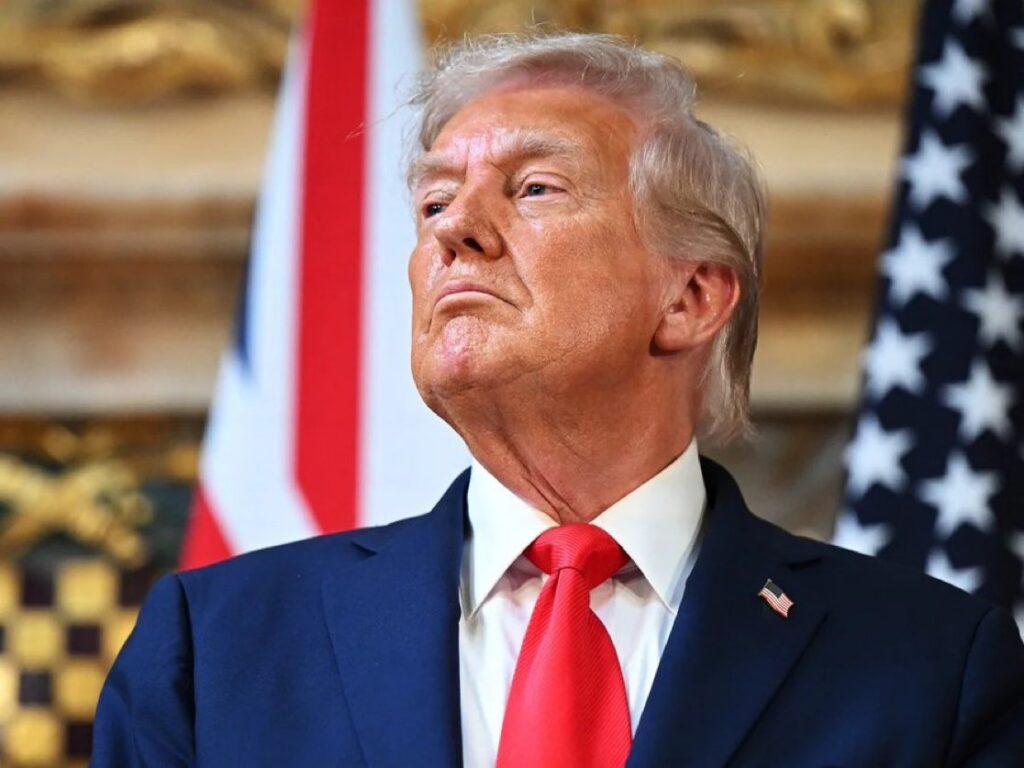
Image: from P.O.P REPORTS X @Pie_Opinion
WHITE HOUSE ACCUSED OF “EDITORIAL COERCION” AS CONFLICT WITH IRAN ESCALATES; REPORTERS WARNED AGAINST “SIDING WITH THE ENEMY”
By OPEN CHRONICLE STAFF with Agencies
WASHINGTON — A deepening rift between the White House and the national press corps erupted into the open Wednesday, following reports that senior Trump administration officials are applying “unprecedented pressure” on major news organizations to align their coverage with the government’s account of the war with Iran. According to sources within several D.C. bureaus, the administration has moved beyond traditional “spin,” instead demanding that outlets “tell the war’s story the way we see it” or face a total loss of access.
The campaign, reportedly led by the White House Communications Office and supported by the Pentagon, aims to frame the assassination of Ali Larijani and the subsequent Iranian missile barrages as a “clean, decisive victory for American deterrence.”
🚨🇺🇸 BREAKING: Hegseth criticizes the media over what he calls false reporting about Trump and the war. pic.twitter.com/0p4lCPBvGq
— Nova Intel (@intel_nova) March 17, 2026
The “Patriotism” Litmus Test
Internal memos obtained by reporters suggest that the administration is increasingly using “national security” as a justification to suppress skeptical reporting. During a private briefing on Tuesday, a senior advisor reportedly told a group of editors that questioning the legality of the Larijani strike or focusing on U.S. casualties was “tantamount to aiding and abetting the Mullahs.”
“We are in a hot war,” the official reportedly said. “There is no ‘neutral’ ground. You are either reporting on the success of the American military or you are providing a platform for Iranian propaganda. Choose wisely.”
Access as a Weapon
The “pressure campaign” has manifested in several practical ways:
-
Embedded Reporting: Outlets perceived as “unfriendly” or “overly critical” of the administration’s Middle East strategy have been denied embedding opportunities with carrier strike groups in the Gulf.
-
The “Blacklist”: Reporters who have focused on the $5 diesel price or the resignation of Counterterror Chief Matthew Miller have found themselves abruptly removed from the White House press pool rotation.
-
Direct Intervention: Sources at two major cable networks claim the White House reached out to executive leadership to “express extreme displeasure” with specific segments that analyzed the risk of a domestic terror blowback.
“Information Warfare” vs. Independent Journalism
The administration’s stance is that it is engaged in a “war of narratives” against a sophisticated Iranian propaganda machine. “The Iranians are lying about their capabilities and their casualties,” a White House spokesperson said. “It is the duty of the American media to ensure the truth, the American truth, is what the world hears. We make no apologies for expecting our media to be on the side of America.”
However, press freedom advocates have reacted with alarm. “This is a dangerous departure from the role of a free press in a democracy,” said a representative from the Committee to Protect Journalists (CPJ). “The government’s job is to conduct the war; the media’s job is to report the facts of that war, regardless of whether they fit a specific political script.”
The “Miller Memo” Fallout
The pressure has intensified following the viral spread of the “Miller Memo,” in which the resigned NCTC chief warned that the administration was “tailoring intelligence” to justify the conflict. Reporters attempting to follow up on Miller’s claims have reportedly been met with “wall-to-wall silence” or aggressive pushback from the National Security Council.
Public Sentiment and the Echo Chamber
As the 2026 midterms approach, the battle over the war’s narrative is becoming a central political issue. Critics argue that by bullying the media into a “pro-war” stance, the administration is attempting to insulate itself from the economic and human costs of the conflict. Meanwhile, supporters of the President argue that the media is “historically biased” and that the administration is simply “leveling the playing field.”
With Iranian missiles still being intercepted over the Galilee and the Strait of Hormuz effectively closed, the “information war” in Washington is becoming almost as fierce as the physical war in the Gulf. For the American public, the challenge remains discerning the “fog of war” from the “fog of politics.”