
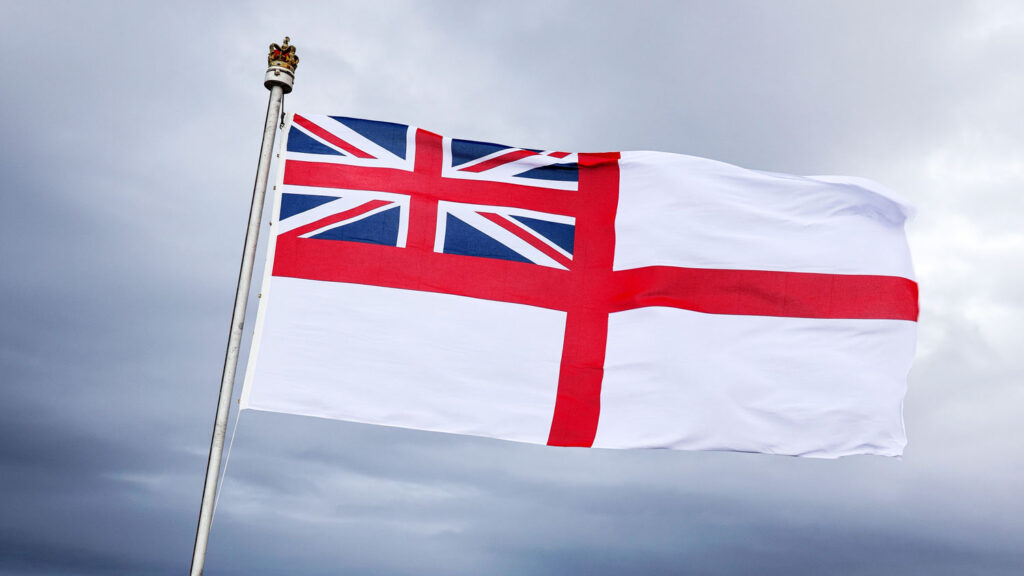
Image: from World updates X @itswpceo
By Harrison Vane | Open Chronicle Defense & Security Correspondent
LONDON — In a dramatic escalation of the economic war against Moscow, Prime Minister Keir Starmer has officially authorized the Royal Navy to intercept and board vessels suspected of belonging to Russia’s “shadow fleet” in the English Channel and the North Sea. The move, reported by Politico, marks the first time a Western power has moved beyond financial sanctions to direct maritime enforcement against the aging, uninsured tankers Russia uses to bypass the G7 oil price cap.
The authorization follows a series of near-miss collisions and environmental “red alerts” involving dilapidated vessels navigating some of the world’s busiest shipping lanes without standard safety certifications.
The “Environmental Necessity” Defense
Downing Street is framing the interceptions not as an act of war, but as a “maritime safety and environmental protection” measure. The shadow fleet, estimated at over 600 vessels globally, consists largely of tankers over 20 years old that operate under “flags of convenience” and lack Western P&I (Protection and Indemnity) insurance.
“We cannot allow floating environmental time bombs to traverse our waters with impunity,” a Cabinet Office spokesperson stated. “If a vessel cannot prove it has valid insurance or meets international safety standards, it will be diverted or boarded for inspection.”
Cutting the Kremlin’s Lifeblood
While the legal justification is environmental, the strategic intent is clear: strangling the revenue stream fueling the invasion of Ukraine. By disrupting the shadow fleet, the UK aims to force Russian oil back into “transparent” channels where the G7 price cap can be strictly enforced.
The Royal Navy’s Type 23 frigates and River-class offshore patrol vessels have reportedly been repositioned to monitor key “choke points.” Under the new rules of engagement, any vessel identified as “high risk” that refuses to provide documentation upon entering the UK’s Exclusive Economic Zone (EEZ) may be subject to a “non-consensual boarding” by Royal Marines.
The Risk of Escalation
The “Starmer Doctrine” has sent shivers through the global shipping industry. Legal experts warn that intercepting sovereign-flagged vessels in international waters, even within an EEZ, could be interpreted by Moscow as a violation of the UN Convention on the Law of the Sea (UNCLOS).
The Kremlin has already issued a terse response, labeling the UK’s move “state piracy” and warning of “symmetrical consequences” for British shipping in the Baltic Sea and the Northern Sea Route.
A Unified European Front?
The UK is reportedly in talks with Denmark and Norway to create a “Joint Monitoring Zone” that would effectively close the Baltic Sea exit to uninsured Russian tankers. If successful, the blockade could trap millions of barrels of oil at Russian ports, causing a significant spike in global energy prices, a risk the Starmer government appears willing to take to deal a blow to Putin’s war machine.
As the first boarding teams prepare for deployment, the English Channel is no longer just a trade route; it has become a frontline in the global effort to enforce the rule of law on the high seas.