
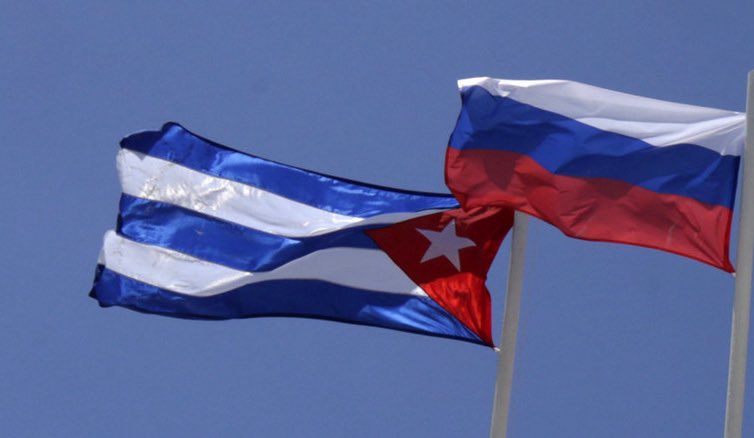
Image: from Republicans against Trump X @RpsAgainstTrump
By Open Chronicle Staff with Agencies
HAVANA, Cuba — In a major shift of policy, the Trump administration has reportedly decided to allow a sanctioned Russian oil tanker to dock in Cuba, potentially breaking a weeks-long maritime blockade that has brought the island’s energy grid to the brink of total collapse.
The vessel at the center of the geopolitical standoff, the Anatoly Kolodkin, is currently carrying an estimated 730,000 barrels of Russian crude oil. According to reports from The New York Times and maritime tracking data, the tanker is expected to arrive at the port of Matanzas within the next 48 hours.
🇺🇸🇷🇺🇨🇺 The U.S. Coast Guard is allowing a Russian oil tanker carrying about 730,000 barrels of crude to reach Cuba, offering temporary relief from the island’s severe fuel shortages, blackouts, and economic strain, according to NYT, citing a U.S. official.
The Russian… pic.twitter.com/4qOe71dy8i
— The Daily News (@DailyNewsJustIn) March 29, 2026
A Policy Pivot Amid “Zero Hour”
The decision marks a surprising turn for an administration that had recently intensified its “regime change” efforts by imposing a near-total ban on fuel shipments to the communist-governed island. Earlier this month, the U.S. Treasury specifically amended its sanctions waivers to exclude Cuba and North Korea from receiving Russian oil, even as energy markets fluctuated due to the ongoing war with Iran.
However, with Cuba reaching what energy experts call “zero hour”, a state of total national blackout and the paralysis of transportation and agriculture, Washington appears to have opted for a temporary humanitarian reprieve. The Anatoly Kolodkin’s cargo is estimated to provide roughly two weeks of fuel, a “balm” for a nation that has seen almost no petroleum imports since January.
The Shadow of the Coast Guard
The approach of the tanker has been a high-stakes game of cat-and-mouse. Earlier in March, several other vessels, including the Hong Kong-flagged Sea Horse, were deterred from reaching Cuban waters by the heavy presence of U.S. Coast Guard and Navy patrols. The Sea Horse, carrying 200,000 barrels of diesel, eventually diverted to Venezuela and Trinidad and Tobago after what analysts described as “maritime intimidation.”
The Anatoly Kolodkin, however, maintained its course, even as it broadcast misleading AIS (Automatic Identification System) destinations such as “Atlantis” and “USA” to taunt trackers.
Humanitarian Aid or Strategic Maneuver?
Russian Energy Minister Sergei Tsivilev confirmed last Wednesday that Moscow considers the shipment “humanitarian aid” for a partner facing “difficult situations as a result of sanctions pressure.”
Critics of the move suggest that the reprieve may be linked to ongoing behind-the-scenes talks between the Trump administration and Cuban President Miguel Díaz-Canel. President Trump recently made headlines by suggesting the island face a choice between a “friendly takeover” or more aggressive options, but this latest development suggests a preference for leveraging economic pressure over immediate military intervention.
While the fuel will offer immediate relief to hospital generators and public transit, analysts at the University of Texas Energy Institute warn that without a sustained supply chain, the island will return to the same “zero hour” crisis by mid-April.