
Image: from Solid Intel X @solidintel_x
Open Chronicle | Middle East
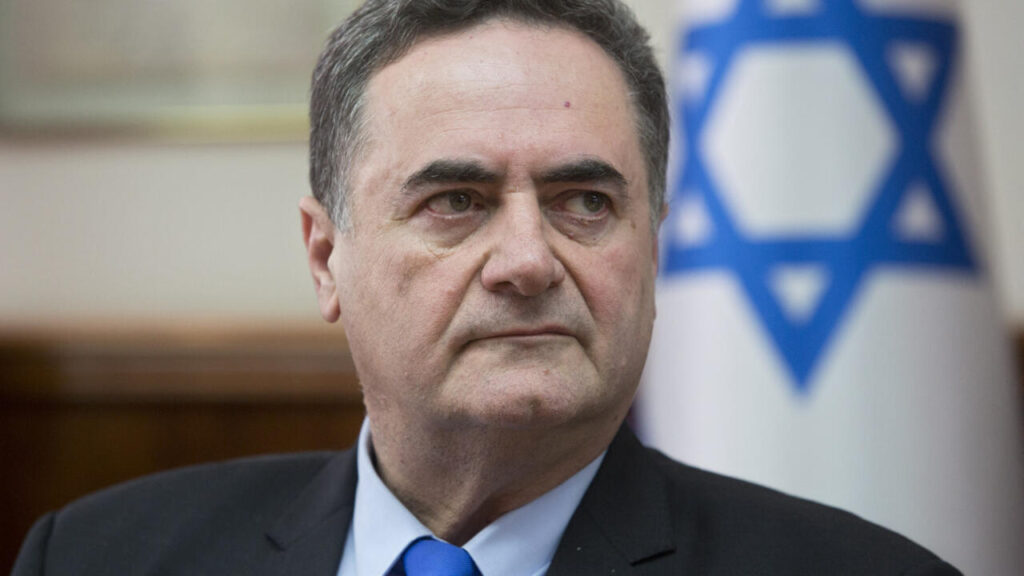
Israel’s Defence Minister Israel Katz said Thursday that his country is prepared to resume military operations against Iran, signaling a potential escalation in an already fragile regional situation.
Speaking from Jerusalem, Katz stated that Israel is waiting for a “green light” from the United States before launching further action, warning that such operations could have devastating consequences for Iran.
🇮🇱🇮🇷 Israel’s Defense Minister Katz says Israel is ready to jump back into the war with Iran and is just waiting on the green light from the United States.
He said the top priority would be wiping out the Khamenei family and pushing Iran back into what he described as pic.twitter.com/rRq8Tx83Ps
— Juan Carlos 🇮🇱 (@JuanCarlos23431) April 23, 2026
Escalation rhetoric amid fragile ceasefire
Katz’s remarks come as tensions remain high despite an ongoing ceasefire between Iran and the United States. While hostilities have temporarily subsided, both sides have continued to exchange accusations and maintain military pressure across the region.
The Israeli defence minister indicated that preparations are already in place for renewed conflict, underscoring Israel’s readiness to act swiftly if conditions permit.
Strategic coordination with Washington
Israel’s reference to awaiting U.S. approval highlights the close military and strategic coordination between Jerusalem and Washington, particularly in matters involving Iran.
The United States has played a central role in the recent conflict dynamics, including enforcing naval blockades and engaging in diplomatic efforts aimed at preventing further escalation.
However, it remains unclear whether Washington would support renewed military action at a time when negotiations and ceasefire extensions are still being explored.
Regional and global implications
Any renewed offensive against Iran would carry significant risks, not only for the Middle East but also for global stability. The region is already under strain from ongoing conflicts, disrupted energy routes, and heightened military deployments.
Analysts warn that further escalation could impact critical infrastructure, trigger wider ռազմական confrontations, and deepen economic uncertainty worldwide.
Uncertain path forward
Katz’s statement adds to a growing chorus of hardline rhetoric, even as diplomatic channels remain open. With both military readiness and negotiations unfolding simultaneously, the situation remains highly unpredictable.
The coming days are likely to prove decisive in determining whether the current pause in fighting can hold, or whether the region will once again slide toward open conflict.