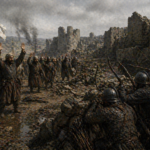
Image Credentials: Image Title: Exploiting Prevailing Weather in Warfare Source: (chatgpt.com) Date: April 2026. Attribution: This image was created using AI-generated imagery (chatgpt.com) by Open Chronicle and does not depict a real-world scene.
Open Chronicle Encyclopedia
Exploiting prevailing weather refers to the deliberate integration of atmospheric conditions into military planning and execution in order to gain tactical or strategic advantage. Weather, while inherently uncontrollable, has repeatedly functioned as a force multiplier, amplifying or degrading the effectiveness of armies, shaping battlefield dynamics, and influencing the outcomes of major conflicts.
Overview
Throughout history, commanders have recognized that weather is not merely a background condition but an active operational factor. Rain, snow, fog, wind, and extreme temperatures can alter terrain, disrupt communications, and affect weapon performance.
The tactical exploitation of weather typically involves:
- Timing offensives or withdrawals around forecasted conditions
- Using reduced visibility for concealment and surprise
- Leveraging terrain changes caused by precipitation or freezing
- Anticipating the logistical strain imposed on opposing forces
In many cases, success has depended not on controlling the weather but on adapting to it faster and more effectively than the adversary.
Historical Examples
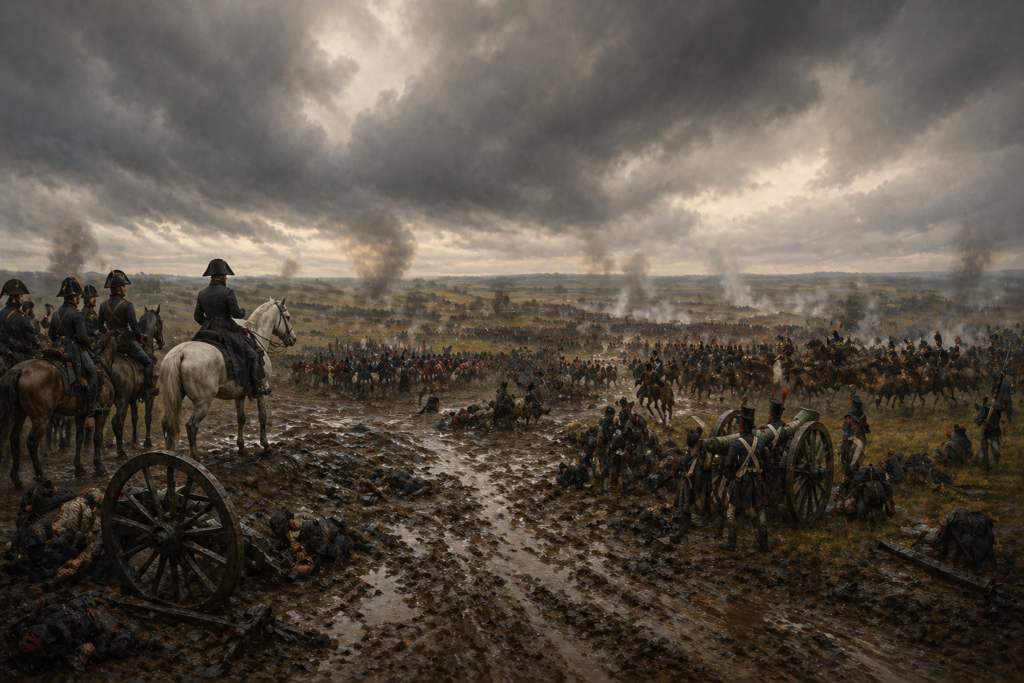
Battle of Waterloo
The battle fought on 18 June 1815 remains one of the most cited examples of weather influencing combat outcomes. Heavy rainfall on the preceding night saturated the ground, forcing Napoleon Bonaparte to delay his attack.
This delay had several consequences:
- Artillery effectiveness was reduced, as wet soil absorbed the impact of cannon fire
- Cavalry maneuvers became slower and less coordinated
- The postponed engagement allowed Gebhard Leberecht von Blücher’s forces to reinforce Arthur Wellesley, 1st Duke of Wellington
The combination of environmental constraints and lost timing contributed significantly to Napoleon’s defeat.
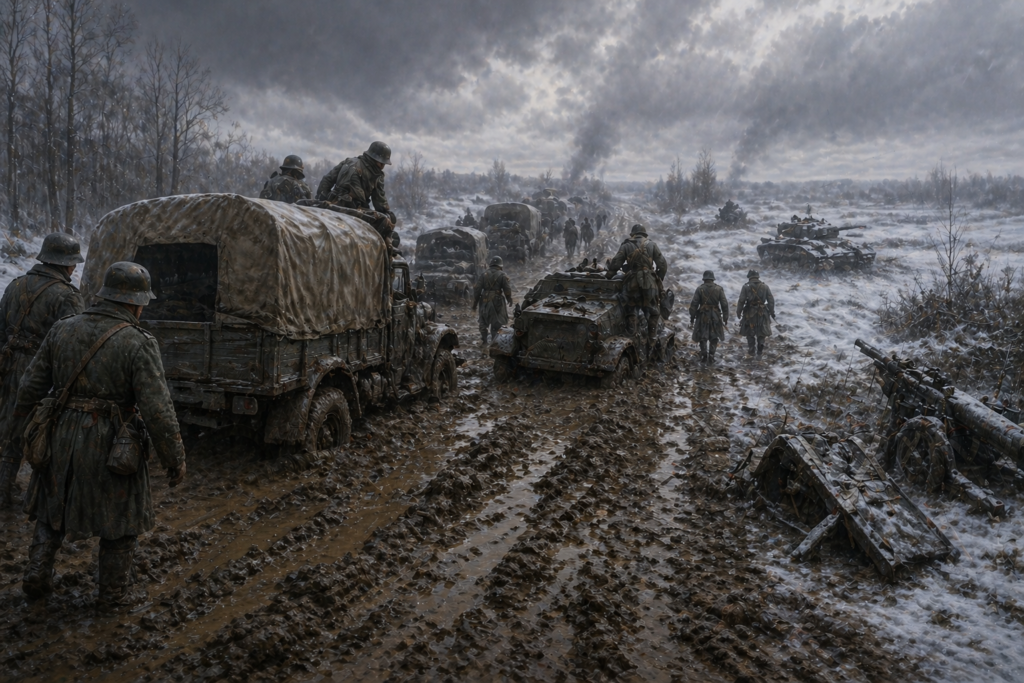
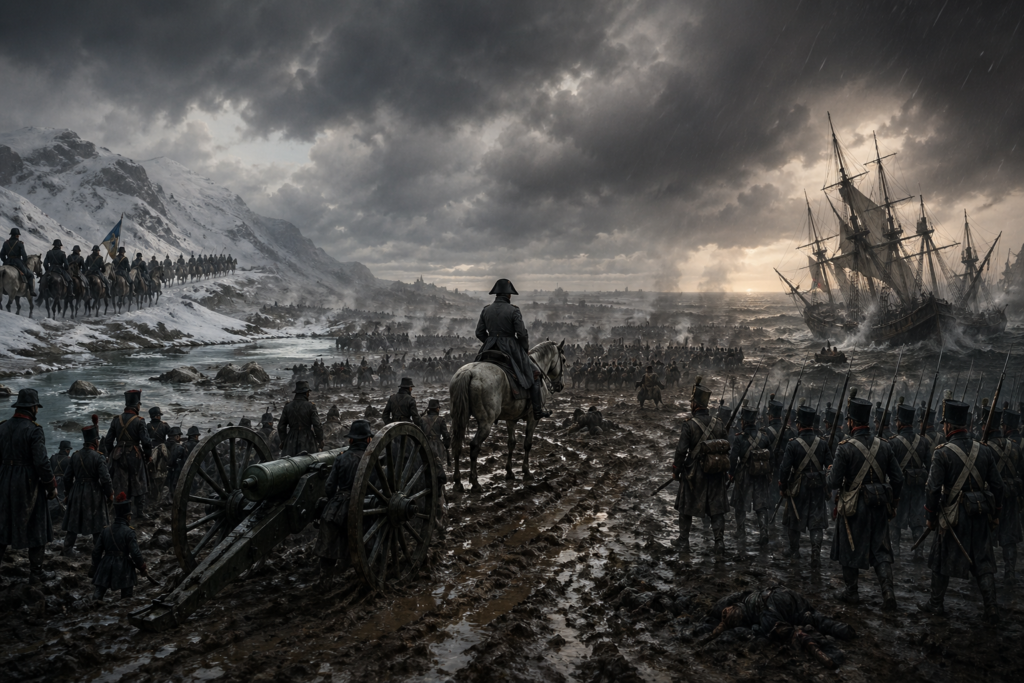
Image Credentials: Image Title: Operation Barbarossa Source: (chatgpt.com) Date: April 2026. Attribution: This image was created using AI-generated imagery (chatgpt.com) by Open Chronicle and does not depict a real-world scene.
Operation Barbarossa
During World War II, German forces advancing into the Soviet Union encountered the rasputitsa, a seasonal period of heavy mud caused by autumn rains. Vehicles and supply lines became immobilized, slowing the offensive.
As winter set in, extreme cold further weakened Germany, which lacked adequate equipment. Soviet forces, better adapted to the climate, exploited these conditions to mount resistance and counterattacks.
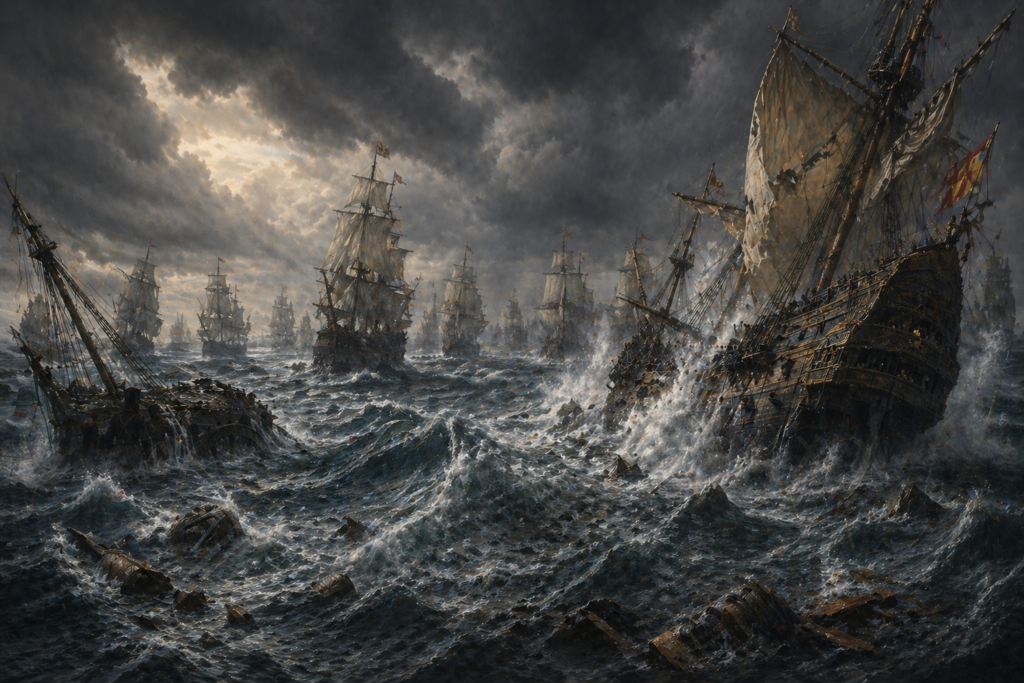
Spanish Armada
The Spanish fleet sent against England suffered severe losses due to storms in the North Atlantic. While English naval tactics played a role, adverse weather conditions scattered and damaged Spanish ships, complicating navigation and retreat. The event reinforced the role of weather in naval warfare, where wind and sea state directly determine maneuverability and survivability.
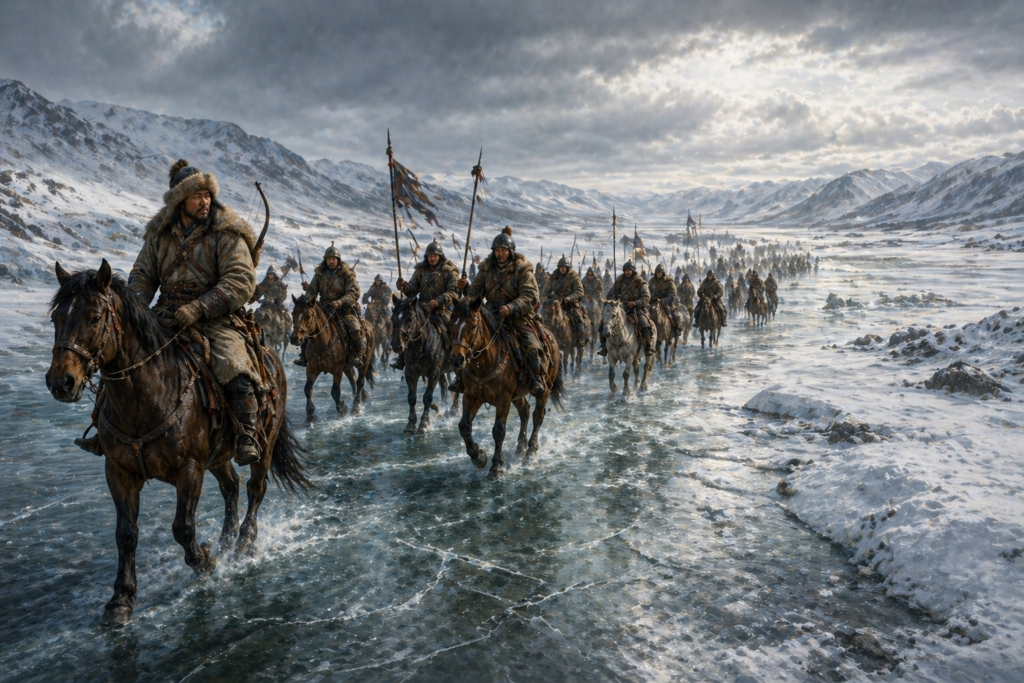
Mongol Campaigns under Genghis Khan
Mongol forces frequently used seasonal weather to their advantage. Winter campaigns allowed armies to traverse frozen rivers and marshlands, opening routes inaccessible during warmer months. This mobility enabled rapid and unexpected strikes across vast territories.
Tactical and Operational Dimensions
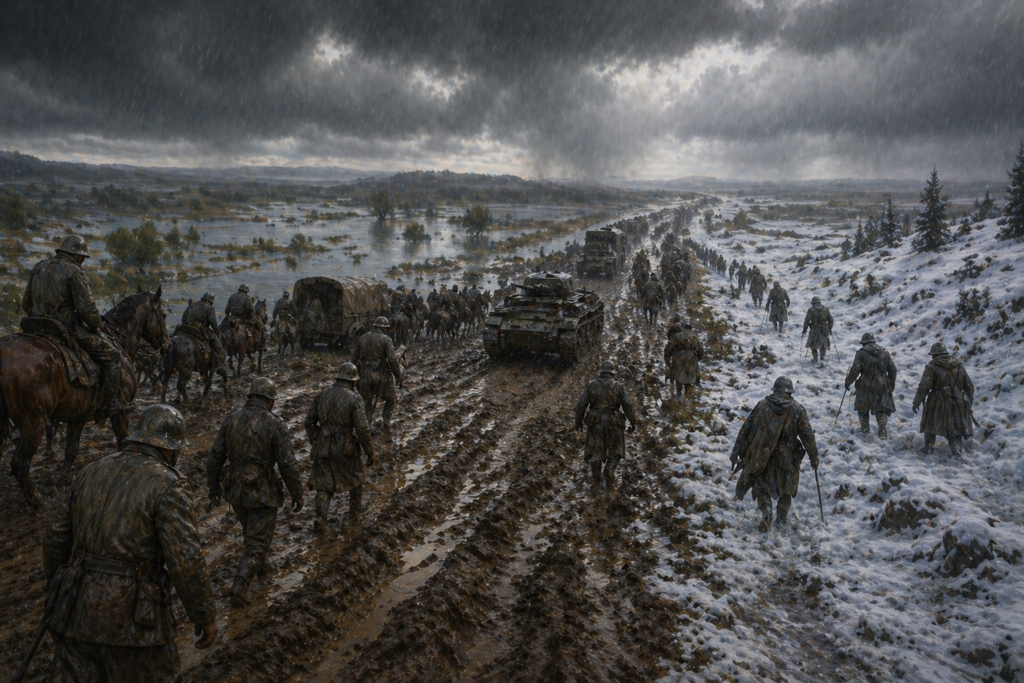
Mobility and Terrain
Weather can transform the battlefield itself:
- Rain creates mud that hinders infantry, cavalry, and mechanized units
- Snow and ice may either obstruct movement or create new pathways
- Flooding alters defensive positions and supply routes
Visibility and Detection
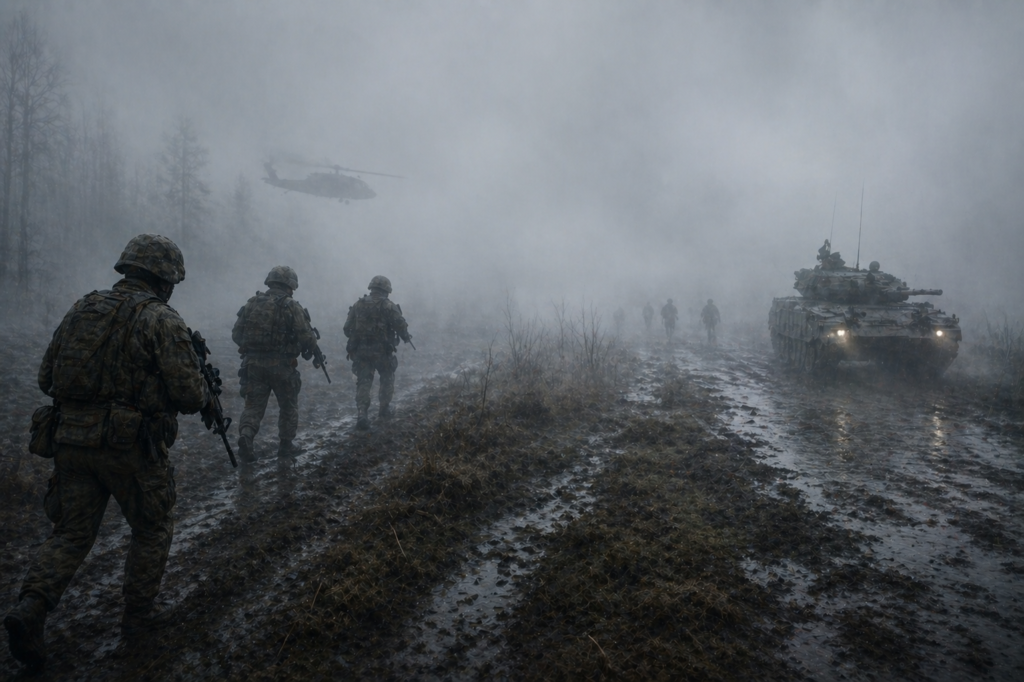
Fog, snowfall, and heavy rain reduce visibility, affecting reconnaissance and targeting. Forces capable of operating effectively under such conditions can achieve surprise or evade detection.
Weapons and Equipment
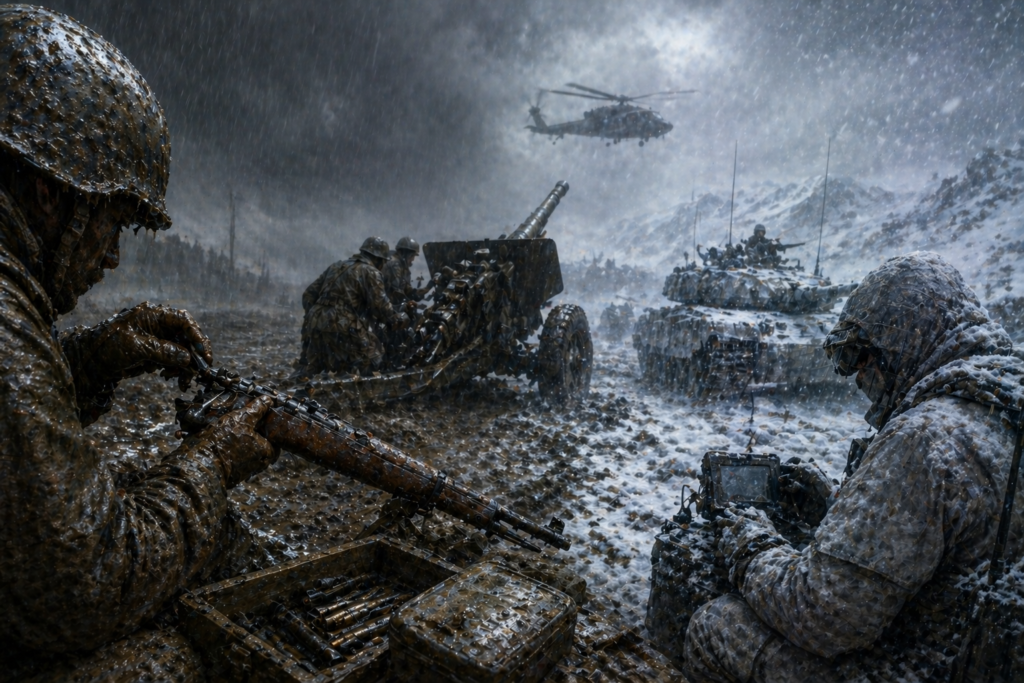
Weather conditions influence the reliability and performance of military technology:
- Moisture historically affected gunpowder and firearms
- Wind alters projectile trajectories and aerial operations
- Extreme temperatures impact engines, electronics, and human endurance
Logistics and Morale
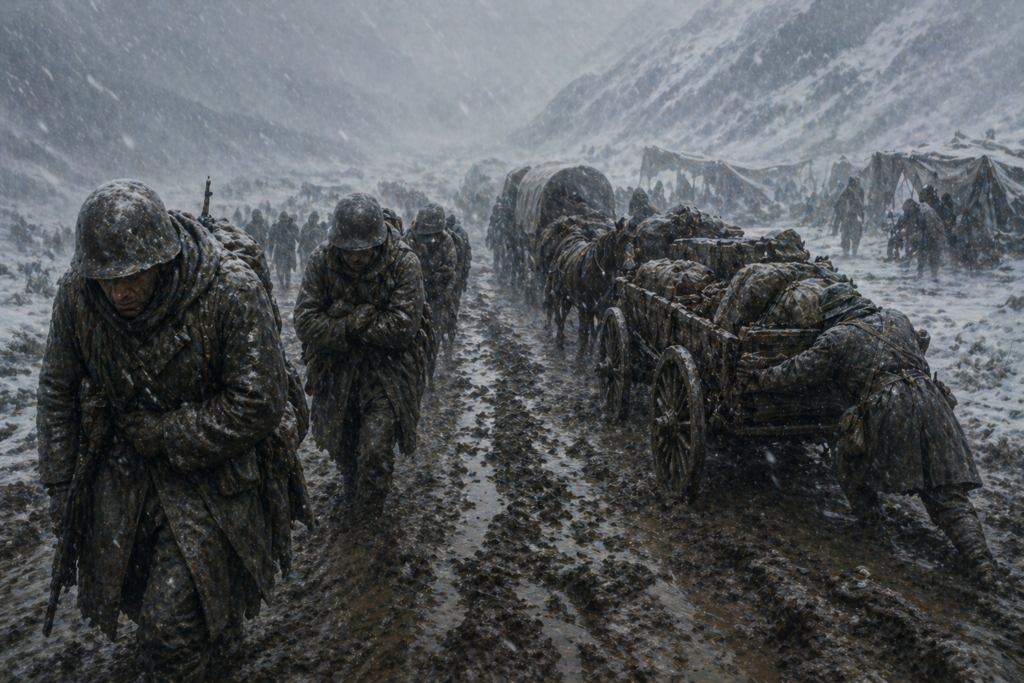
Sustained exposure to harsh weather degrades troop morale and complicates supply chains. Armies unprepared for environmental conditions often suffer attrition without direct combat.
Modern Military Context
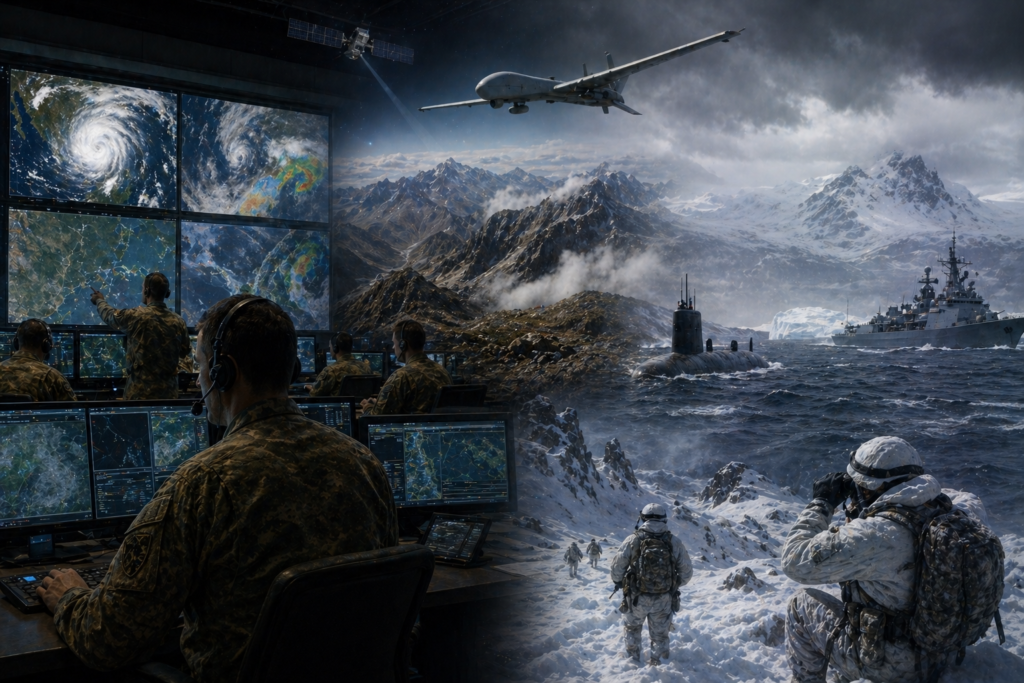
Advancements in meteorology and surveillance have improved the ability to forecast and monitor weather conditions. Modern armed forces integrate environmental data into operational planning, using satellite systems and predictive models.
Despite these advances, weather remains a non-linear variable. It continues to disrupt operations, particularly in complex environments such as mountainous regions, oceans, and polar.
References
- Chandler, David G. The Campaigns of Napoleon. Macmillan, 1966.
- Keegan, John. The Face of Battle. Penguin Books, 1976.
- Beevor, Antony. Stalingrad. Penguin Books, 1998.
- Black, Jeremy. War and the World: Military Power and the Fate of Continents. Yale University Press, 1998.
- Hughes, Stephen. Weather and War. Pen & Sword Military, 2012.
Category: Tactics
Explore this subject
Continue exploring related Open Chronicle Encyclopedia entries through the categories associated with this article.

Staff Writers at Open Chronicle produce trusted journalism, strategic analysis and authoritative reference content across global affairs, geopolitics, defense, science, history, technology, business, culture and sport. Their work combines accurate reporting with historical perspective and analytical depth, helping readers understand not only what is happening, but why it matters. Beyond daily news coverage, Staff Writers contribute to the Open Chronicle Encyclopedia, investigative features, original research projects and long-form reports, building a comprehensive knowledge platform designed to inform, educate and preserve reliable information for a global audience.