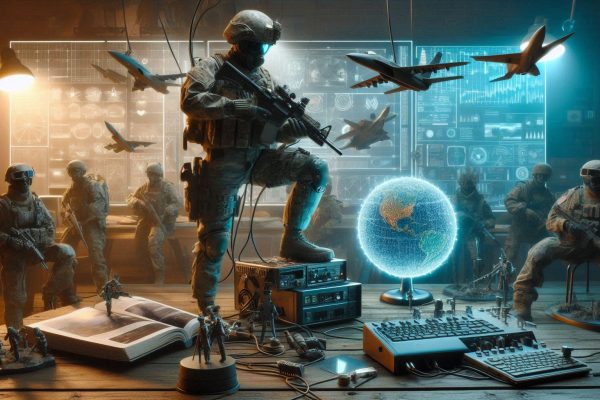
Tech Cold War refers to the escalating geopolitical and strategic rivalry between major global powers, primarily the United States and China, centered on the development, control, and deployment of advanced technologies. This modern contest echoes elements of the original Cold War, but instead of nuclear arsenals, the key battlegrounds include artificial intelligence, semiconductors, cyber capabilities, quantum computing, and satellite infrastructure. The Tech Cold War shapes global supply chains, national security doctrines, trade policies, and alliances, and is poised to define the international balance of power in the 21st century.
-
Introduction
-
Historical Context
-
Key Technologies in the Tech Cold War
-
Major Players
-
4.1. United States
-
4.2. People’s Republic of China
-
4.3. European Union and Allied Nations
-
4.4. Non-State Actors and Emerging Powers
-
-
Strategic Competition and National Security
-
5.1. U.S. Defense Strategy and Investments
-
5.2. China’s Technological Ambitions
-
5.3. Supply Chain Security and Economic Coercion
-
-
Case Study: Semiconductors
-
6.1. Taiwan’s Role
-
6.2. U.S. Export Controls and Restrictions
-
6.3. China’s Domestic Chip Production Push
-
-
Lessons from the Original Cold War
-
7.1. Systematic Analysis and Innovation Campaigns
-
7.2. Historical Missteps and Corrections
-
7.3. Strategic Asymmetry Exploitation
-
-
Global Implications
-
8.1. Impact on Global Trade
-
8.2. Technology Diplomacy and Alliances
-
8.3. Ethical and Governance Concerns
-
-
Future Outlook
-
9.1. Projected Technological Shifts
-
9.2. Critical Milestones: U.S. and Taiwan Elections
-
9.3. Scenarios for Global Technological Order
-
Tech Cold War Library

Flashpoint in the Indo-Pacific: Hypersonic and Directed Energy Confrontation in 2029 (Simulation)

Strategic Superiority at Light Speed: Hypersonic and Directed Energy Weapons in the Tech Cold War

Hypersonic and Directed Energy Weapons in the Tech Cold War
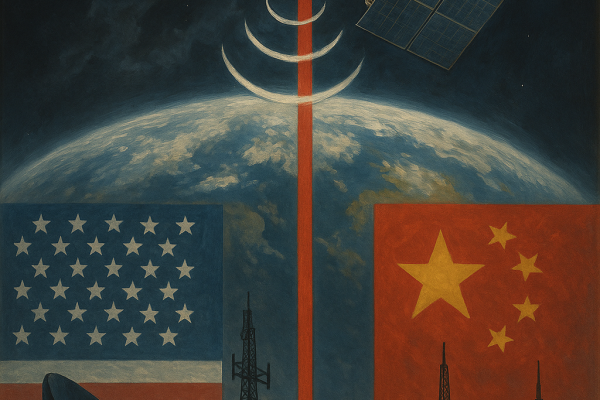
Satellite and Communication Technologies in the Tech Cold War
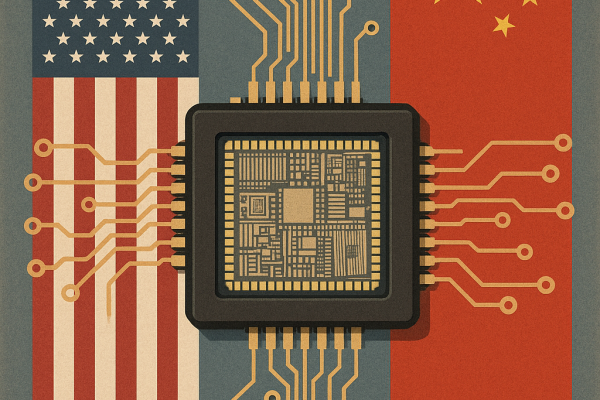
Semiconductors and Microelectronics in the Tech Cold War

Cyber Warfare and Digital Espionage in the Tech Cold War

Quantum Computing in the Tech Cold War
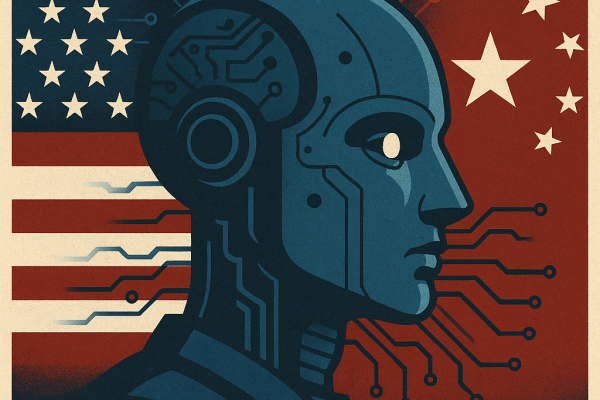
Artificial Intelligence in the Tech Cold War
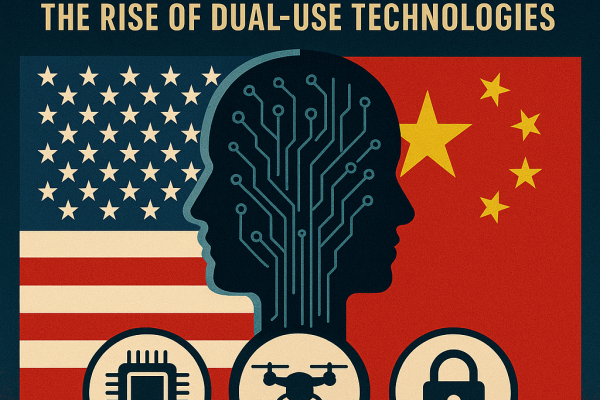
Tech Cold War: The Rise of Dual-Use Technologies
Cold War Technological Revolution