
Image: from Tim White X@TWMCLtd
By Emma Cole | Staff Writer with Agencies
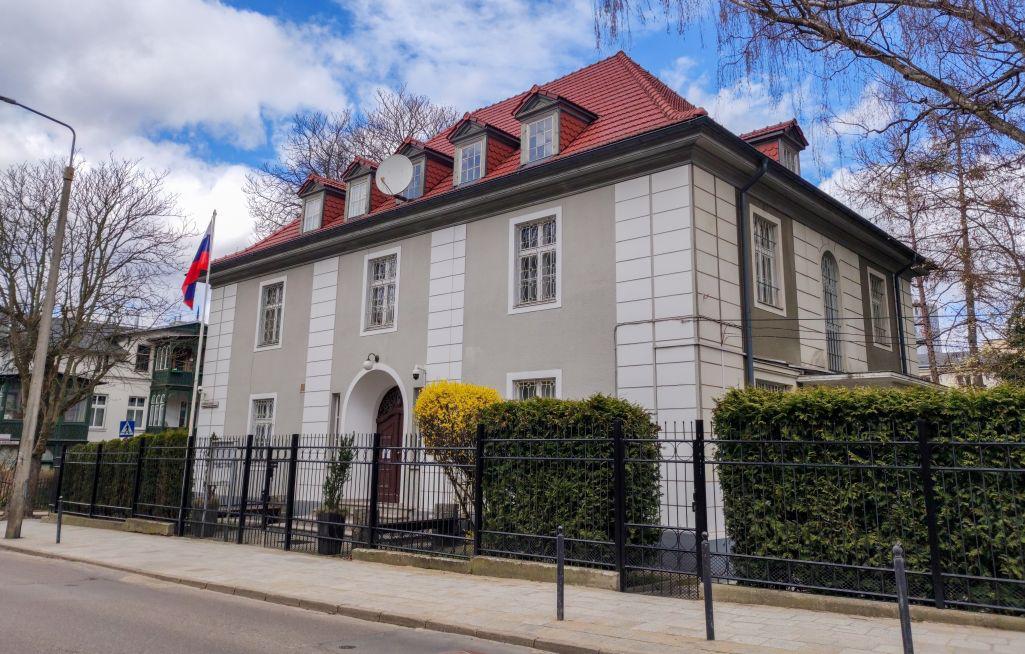
Poland has escalated diplomatic tensions with Russia, closing the Russian consulate in the city of Gdańsk in response to recent acts of sabotage on the country’s railway lines. The decision, announced by Polish Foreign Minister Radosław Sikorski, comes after explosions on two sections of the train line between Warsaw and Lublin, which Poland attributes to Russian involvement.
The sabotage, which took place over the weekend of November 15-16, has been condemned by Poland as a terrorist act. Polish authorities believe the attacks were orchestrated by Russian assets, including two Ukrainian citizens who entered Poland from Belarus and are suspected of having ties to Russian intelligence. The perpetrators are alleged to have fled back into Belarus after the attack.
The Polish government has based its accusations on evidence provided by Ukrainian authorities, who identified the fingerprints found at the scene as belonging to individuals with a history of collaboration with Russian forces. One of the suspects had been convicted in Ukraine for similar acts of sabotage on behalf of Russia earlier this year.
Sikorski called the incident a “terrorist act,” emphasizing that Russia’s ongoing operations to undermine Polish infrastructure are a deliberate attempt to escalate tensions. He stated, “When the intention behind espionage and sabotage activities is to cause human casualties, then we are no longer dealing with sabotage, but rather with state terror.”
In a move that further strains relations between Warsaw and Moscow, Sikorski announced the closure of the Russian consulate in Gdańsk. This is the latest in a series of diplomatic reprisals. Since last year, Poland has shut down several Russian consulates, including those in Poznań and Kraków, as part of its response to alleged Russian sabotage activities and cyberattacks on Polish territory.
With the closure of the Gdańsk consulate, only the Russian diplomatic mission in Warsaw remains operational. Sikorski confirmed, however, that Poland is not severing diplomatic ties with Russia entirely but rather limiting Russia’s diplomatic presence in the country as part of a broader strategy to protect national security.
Poland’s Foreign Minister also called on European Union countries to take further action against Russia’s diplomatic operations. He suggested that EU member states, particularly those within the Schengen Area, should consider restricting the movement of Russian diplomats, many of whom are suspected of engaging in espionage and other activities incompatible with their diplomatic status. Sikorski claimed that an estimated 40% of Russian diplomats in the EU are involved in such activities.
Poland, which has been one of Ukraine’s staunchest allies since Russia’s invasion of Crimea in 2014, sees its actions as part of a broader effort to counter Russian aggression. Sikorski’s remarks have added to the growing diplomatic rift between the two countries, a situation that has deteriorated over the years due to conflicting historical narratives and ongoing geopolitical tensions.
Polish-Russian relations have been strained for decades, with a particularly bitter rivalry dating back to the Soviet era. Poland has long viewed Russia’s actions as a threat to its security, especially in the wake of Russia’s annexation of Crimea and its ongoing interference in Ukraine. The historical context is also a source of friction: Russia believes it liberated Poland from Nazi occupation during World War II, while Poland views the subsequent Soviet occupation as an imposition of communist rule and subservience to Moscow.
Poland’s membership in NATO and its strong support for Ukraine have been points of contention for Russia, which sees Poland’s involvement in Eastern European security as a direct challenge to its sphere of influence.
In response to Poland’s closure of its consulate in Gdańsk, Russia has vowed to retaliate by reducing the size of Poland’s diplomatic and consular presence in Russia. Russian officials, including Foreign Ministry spokeswoman Maria Zakharova, have framed the move as further evidence of the breakdown in relations between the two countries.
Poland’s actions are part of a broader European and international effort to hold Russia accountable for its actions in Ukraine and beyond. The European Union has imposed sanctions on Russia, and many countries have taken similar steps to limit Russia’s diplomatic influence. However, Poland’s hardline stance on Russia underscores the country’s belief in the need for stronger, more decisive action in the face of ongoing Russian provocations.
The closure of the Russian consulate in Gdańsk marks another chapter in the escalating diplomatic conflict between Poland and Russia. With tensions rising, particularly over the issue of Russian sabotage and espionage activities, Poland’s actions reflect its determination to protect national security and uphold its support for Ukraine. As the situation unfolds, the international community will be watching closely, with many hoping for a peaceful resolution to the ongoing crisis.