
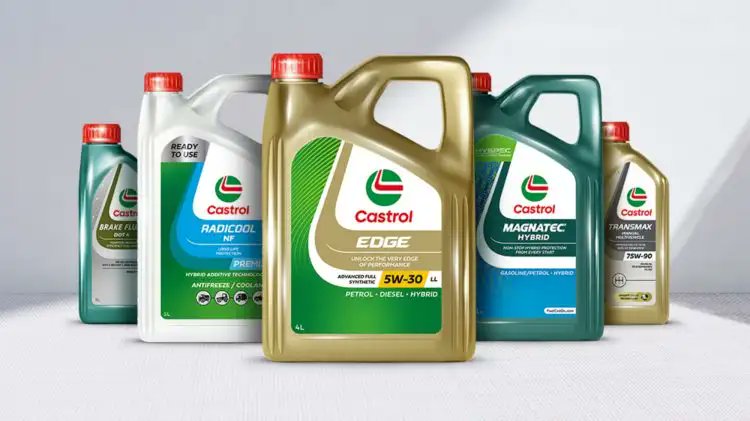
Image: from ACI Magazine X@ACImagazine
By Open Chronicle Staff with Agencies | December 24, 2025
LONDON — In its largest divestment to date, global energy giant BP announced on Wednesday that it has agreed to sell a 65% controlling stake in its iconic Castrol lubricants business to the U.S. private equity firm Stonepeak. The deal, which values the century-old brand at $10.1 billion, marks a significant acceleration of BP’s strategy to simplify its portfolio and return focus to its core oil and gas operations.
The Deal at a Glance
The transaction is a cornerstone of BP’s ambitious $20 billion divestment program, aimed at slashing debt and silencing critics after the company’s share performance lagged behind major rivals like Shell and ExxonMobil.
-
Purchase Price: Stonepeak will pay approximately $6 billion for the 65% stake.
-
Joint Venture: BP will retain a 35% stake in a newly formed joint venture.
-
Exit Strategy: A two-year “lock-in” period applies, after which BP has the option to sell its remaining shares.
-
Co-Investors: The Canada Pension Plan Investment Board (CPPIB) is set to invest up to $1.05 billion alongside Stonepeak.
Financial Maneuvering: Debt vs. Cash Flow
The proceeds from the sale are earmarked for a singular purpose: debt reduction. BP aims to bring its net debt down from the current $26 billion to a target range of $14 billion–$18 billion by the end of 2027.
However, the move has drawn mixed reviews from market analysts. While the deal helps clean up the balance sheet, it removes a reliable “cash cow” from BP’s internal structure.
“We continue to question the rationale… of selling this highly cash-generative, low volatility and low capital intensity asset,” analysts at RBC noted. “Accelerated dividends now will help reduce debt, but clearly at the expense of medium-term cash flows.”
Strategic Pivot: Back to Basics
The sale follows a leadership shakeup and a boardroom mandate to “de-complexify” the company. Last week, BP appointed Woodside Energy’s O’Neill as the next CEO, following the tenure of Murray Auchincloss. The shift reflects a broader industry trend where European oil majors are scaling back aggressive renewable energy targets in favor of high-margin fossil fuel production.
| Metric | Pre-Transaction | Post-Transaction Target (2027) |
| Net Debt | $26 Billion | $14 Billion – $18 Billion |
| Divestment Progress | $5 Billion (Approx.) | $20 Billion (Total Plan) |
| Castrol Ownership | 100% | 35% |
Stonepeak’s Growing Footprint
For Stonepeak, the acquisition is a high-conviction bet on an infrastructure-like asset with long-term growth potential. As private equity firms sit on an estimated $2 trillion in uncommitted capital (“dry powder”), the Castrol deal represents exactly the kind of stable, “essential service” asset that institutional investors currently crave.
The deal is expected to clear regulatory hurdles and officially close by the end of 2026.