
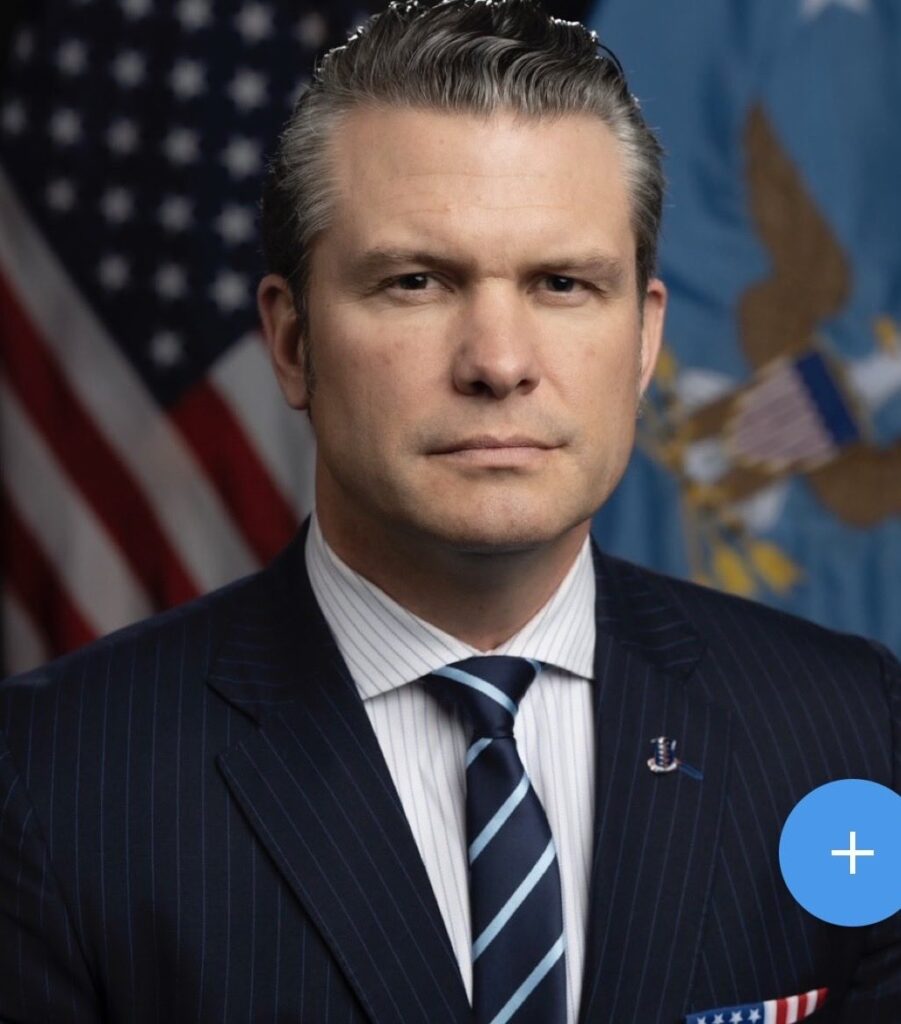
Image: from Savannah Insights X@BasedSavannah
WASHINGTON, D.C. — U.S. Defense Secretary Pete Hegseth has forcefully defended the weekend’s high-stakes military intervention in Venezuela, characterizing the capture of Nicolás Maduro as the strategic “exact opposite” of the 2003 invasion of Iraq.
Speaking to CBS Evening News anchor Tony Dokoupil on Sunday, Hegseth argued that the Trump administration has fundamentally redesigned the American approach to regime change, prioritizing economic returns and “peace through strength” over the long-term, blood-soaked quagmires of the past.
Avoiding the “Blood for Nothing” Trap
Hegseth’s primary argument rested on the economic failure he associated with past Middle Eastern conflicts. He suggested that previous administrations spent decades and “purchased in blood” without securing American interests.
“President Trump flips the script,” Hegseth told CBS. “We spent decades and decades and got nothing economically in return… this was a bold and audacious move, but it was thought through.”
The Defense Secretary emphasized that the operation was “well-orchestrated,” giving the military time to set up resources for a “bold stroke” that would allow Americans to benefit from the region’s wealth without an open-ended human cost.
“It’s the exact opposite,” Defense Secretary Pete Hegseth said, contrasting the Maduro operation in Venezuela with the Iraq War nearly 20 years ago. He said the raid was strategic and benefits both Americans and Venezuelans while reinforcing U.S. influence in the Western… pic.twitter.com/p67lT1L7iU
— CBS Evening News (@CBSEveningNews) January 4, 2026
Oil, Wealth, and the Monroe Doctrine
The economic cornerstone of the administration’s plan remains Venezuela’s massive crude reserves. Following the President’s pledge to “get the oil flowing,” Hegseth framed the resource access as a way to “unleash” wealth for both the United States and the Western Hemisphere.
Central to this vision is the reestablishment of the Monroe Doctrine—the 19th-century policy asserting U.S. influence in the Americas while opposing foreign intervention. Hegseth claimed that reviving this doctrine would lead to:
-
Strategic Stability: Strengthening ties with regional allies.
-
Economic Prosperity: Using local resources to benefit the hemisphere.
-
Security: Preventing adversarial influence on the U.S. “doorstep.”
A Warning to Global Adversaries
When questioned about the message this sends to other world leaders, Hegseth was blunt. He described Donald Trump as a “president of action” and warned that the global community should take notice of a resurgent American leadership.
-
Peace Through Strength: Hegseth argued that peace is unattainable in a dangerous world without a credible threat of force.
-
The “Department of War”: In a notable rhetorical shift, Hegseth referred to his office as the “Department of War,” stating that the U.S. will take necessary actions with its “full weight” when national interests are at stake.The Iraq vs. Venezuela Comparison
| Feature | Iraq Invasion (2003) | Venezuela Intervention (2026) |
| Duration of Lead-up | Years of buildup and diplomacy. | Secret, “bold stroke” overnight raid. |
| Military Goal | Large-scale ground invasion. | Targeted extraction (Delta Force). |
| Economic Stance | Massive U.S. taxpayer debt. | Direct “reimbursement” via oil. |
| Doctrine | Global Democratization. | Revived Monroe Doctrine. |
The Road Ahead
While Maduro remains in New York facing drug trafficking charges, the U.S. now faces the daunting task of “running the country” during what Trump has called a “judicious transition.” Critics and regional leaders remain wary of whether this “bold stroke” will indeed avoid the pitfalls of Iraq or simply create a new kind of 21st-century colonial quagmire.