
Image: zeta panama X@zetacompa
London, January 24, 2026
UK Prime Minister Sir Keir Starmer has issued a sharp rebuke of US President Donald Trump after comments that appeared to downplay the role of British and other NATO troops in the war in Afghanistan, triggering political backlash, diplomatic unease, and anger among veterans’ groups across the United Kingdom.
The controversy erupted after Trump suggested in a recent interview that NATO allies, including the UK, “stayed a little off the front lines” during the Afghanistan conflict. He also implied that US commitment to collective defence under NATO could be conditional, remarks that struck at the heart of the alliance’s founding principles and its only ever invocation of Article 5 following the 11 September 2001 attacks.
🚨 WATCH: UK PM Starmer rips into President Trump for downplaying NATO’s Afghanistan role—calling it “insulting and frankly appalling” and demanding an apology.pic.twitter.com/bMQantZWDy
— Derrick Evans (@DerrickEvans4WV) January 23, 2026
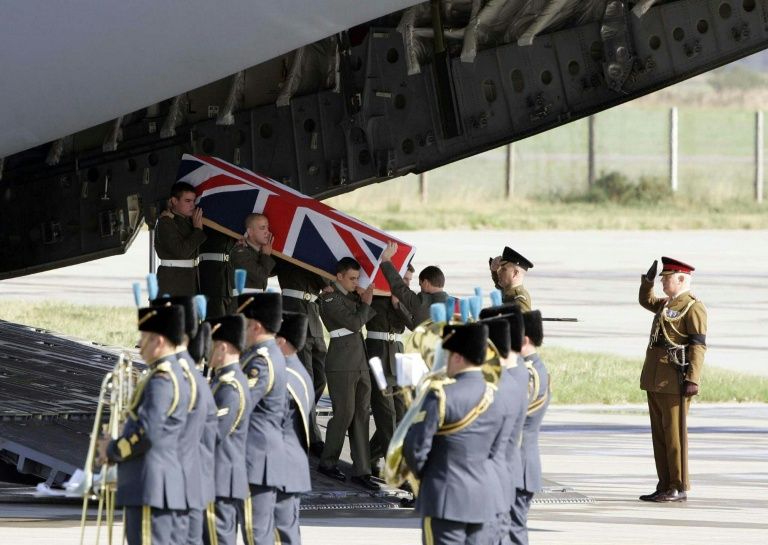
Speaking in London, Starmer described the comments as “insulting and frankly appalling”, stressing that they misrepresented the sacrifices made by British forces. He pointed to the 457 UK service personnel who lost their lives in Afghanistan and the thousands more who returned home wounded, physically or psychologically, after years of frontline combat alongside American troops.
“These remarks do real harm”, Starmer said. “They dishonour the memory of those who served and those who never came home. The United Kingdom stood shoulder to shoulder with the United States in Afghanistan, from the first days after 9/11 through two decades of operations. That sacrifice deserves respect, not revisionism.”
According to officials, Starmer raised the issue directly with Trump during a phone call, urging him to acknowledge the contribution of British forces and the shared history of the NATO mission. The Prime Minister’s intervention was echoed across the political spectrum, with senior Conservatives, Liberal Democrats, and defence committee members condemning Trump’s remarks in unusually unified terms.
Veterans’ organisations also reacted with fury, accusing the US president of erasing the lived reality of allied soldiers who fought and died in Helmand province and other high-intensity combat zones. Several former military commanders publicly contradicted Trump’s claims, noting that British troops frequently operated in some of the most dangerous areas of the conflict.
Following the backlash, Trump sought to soften the fallout by praising British troops in a social media post, calling them “great and very brave” and emphasising the historic bond between the US and UK armed forces. However, he stopped short of issuing a formal apology or retracting his original comments, leaving questions about the durability of his reassurances.
The episode has renewed concerns in Europe about Washington’s commitment to NATO under a second Trump presidency. While US officials insist that alliance obligations remain intact, the remarks have been interpreted by diplomats as part of a broader pattern of scepticism towards multilateral defence arrangements and allied burden sharing.
For London, the dispute comes at a sensitive moment, as the Starmer government seeks to reinforce Britain’s role as a central pillar of European security and a reliable transatlantic partner. Analysts warn that repeated public disputes over NATO history and credibility risk weakening deterrence at a time of heightened global instability.
Despite the tension, UK officials emphasise that military cooperation with the United States continues uninterrupted, with joint exercises and intelligence sharing ongoing. Yet the political damage, particularly among veterans and their families, is likely to linger.
As Starmer concluded, “Alliances are built not just on power, but on trust and memory. We owe it to those who served to tell the truth about what they gave, and why it mattered.”