
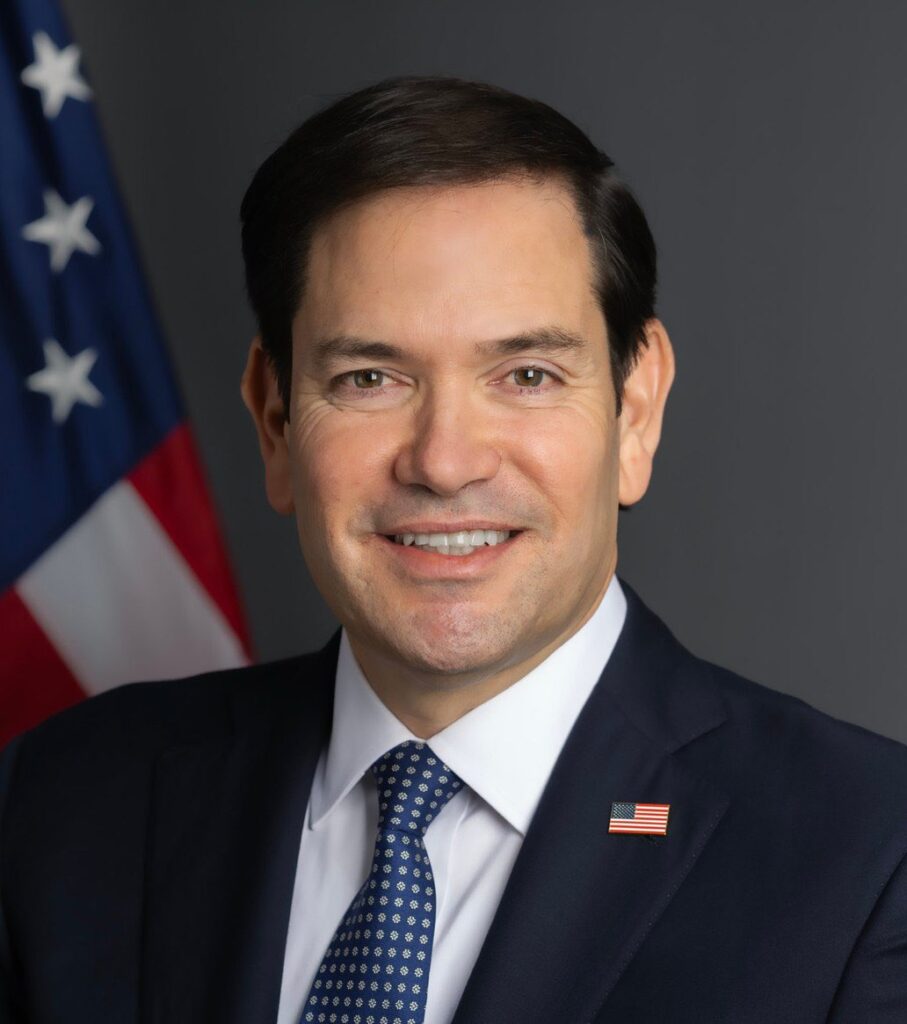
Image: from SIR Busy_Brain X@ALHASSANMU72205
By Open Chronicle News Desk
In a significant move regarding Latin American policy, U.S. Secretary of State Marco Rubio has detailed the Trump administration’s strategy to manage Venezuela’s oil wealth. The plan involves Washington taking direct oversight of revenues from sanctioned oil sales to ensure the funds are used for essential services rather than fueling the current regime’s political apparatus.
A Strategic Oversight Mechanism: Speaking before the Senate Foreign Relations Committee on Wednesday, Rubio explained that the U.S. will allow the sale of Venezuelan petroleum that is currently under sanction. However, the proceeds from these transactions will not be handed over to the Maduro administration. Instead, the funds will be deposited into a U.S.-controlled account overseen by the Treasury Department.
“The funds from that will be deposited into an account that we will have oversight over,” Rubio stated. He clarified that the money is intended for the benefit of the Venezuelan people, specifically for policing, health care, and other basic services.
JUST IN: 🇺🇸🇻🇪Marco Rubio says "the US will manage Venezuela's oil money and decide how Venezuela spends it pic.twitter.com/GqTFErx4R9
— Mega Geopolitics (@MegaGeopolitics) January 28, 2026
Transition and Stability: Rubio described the arrangement as a short-term, interim measure designed to stabilize the nation during a period of political transition. The goal, he noted, is to prevent a “systemic collapse” of the Venezuelan economy while a recovery plan is implemented.
Importantly, Rubio emphasized that the United States will not be subsidizing investments in the Venezuelan oil industry. The focus remains strictly on managing the sale of existing sanctioned petroleum as a bridge to a new political reality.
Political Debate and Scrutiny: The plan has not been without its critics. During the hearing, Democratic Senator Chris Murphy raised concerns about the legality and optics of the move, questioning whether the U.S. was essentially “taking their oil at gunpoint.” Murphy expressed skepticism about the plan’s viability and potential for failure.
In response, Rubio argued that under the previous leadership, the oil industry served corrupt officials and foreign interests like China. He noted that Venezuela’s interim leaders are currently cooperating with the U.S. to seize illegal shipments, with hundreds of millions of dollars already set aside and billions more expected to follow.