
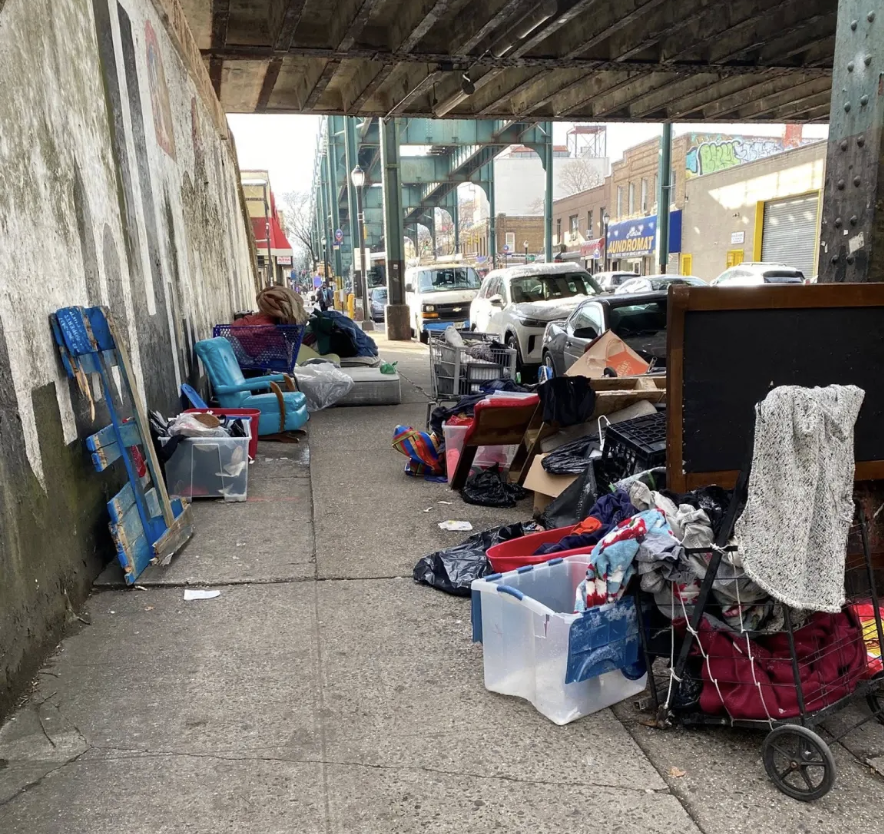
Image: from Crime In NYC X@Crime_In_NYC
By Open Chronicle News Desk
ALBANY, NY – Following a damning investigation into the state’s reliance on private motels to house the unhoused, New York officials have proposed sweeping new regulations aimed at ensuring basic social services and safety standards for thousands of families currently left to fend for themselves.
The move comes as a direct response to reports from ProPublica and New York Focus, which detailed how social services agencies have increasingly utilized dilapidated hotels as a “predominant response” to homelessness outside of New York City. The investigation found that while the state spends over $110 million annually on these makeshift arrangements, often paying well above fair market rent, families are frequently denied the essential support found in traditional shelters, such as childcare, housing assistance, and consistent meals.
The homeless industrial complex in New York is a racket. Federal funding should be terminated to stop this theft of taxpayer resources. pic.twitter.com/Hut6zOE4mq
— Reza Chowdhury (@RezaC1) January 21, 2026
“The municipalities’ backs are against the wall,” stated State Senator Roxanne Persaud, chair of the Social Services Committee. “But we cannot allow operators to make easy money off the government while families live in instability.”
New York is freezing and people are dying.⁰
Guardian Angels are deployed because this is our mission to protect life when systems fail. We have a homeless crisis that is growing worse year after year, with BILLIONS being spent to fix it, yet it’s getting worse..? It’s not safe… pic.twitter.com/44i5NBcmf9— Curtis Sliwa (@CurtisSliwa) January 27, 2026
The proposed rules would mandate that hotels provide shelter-like services and undergo more rigorous inspections. Currently, a loophole allows hotels to bypass the strict standards applied to formal shelters, leading to what advocates describe as “dangerous and sordid” environments. Dispatch logs from some locations revealed hundreds of emergency calls for assaults, overdoses, and mental health crises within a single year.
Data shows that the number of families spending more than six months in these temporary hotel placements nearly tripled between 2022 and 2024. Critics argue that without on-site support, families remain “stuck” in a cycle of poverty, with children facing significant disruptions to their education and health.
As the state government moves toward formalizing these regulations, the focus remains on whether the Office of Temporary and Disability Assistance (OTDA) will have the resources to enforce compliance among hotel owners who have grown accustomed to high-profit, low-accountability contracts.