
Image: from DW на русском X @dw_russian
Saint Petersburg Region — Authorities in Russia’s Leningrad Region have announced plans to deploy mobile fire groups at key industrial and infrastructure sites in response to the growing threat of drone attacks.
The initiative, confirmed by Governor Alexander Drozdenko, aims to strengthen regional air defense capabilities by integrating reservists into frontline protective roles.
Reinforcing Critical Infrastructure
The new units will be stationed at industrial facilities and other critical infrastructure, where they will be tasked with detecting and responding to aerial threats.
Drozdenko said the decision followed consultations with regional security officials, emphasizing the need to adapt to evolving forms of warfare, particularly the increasing use of drones.
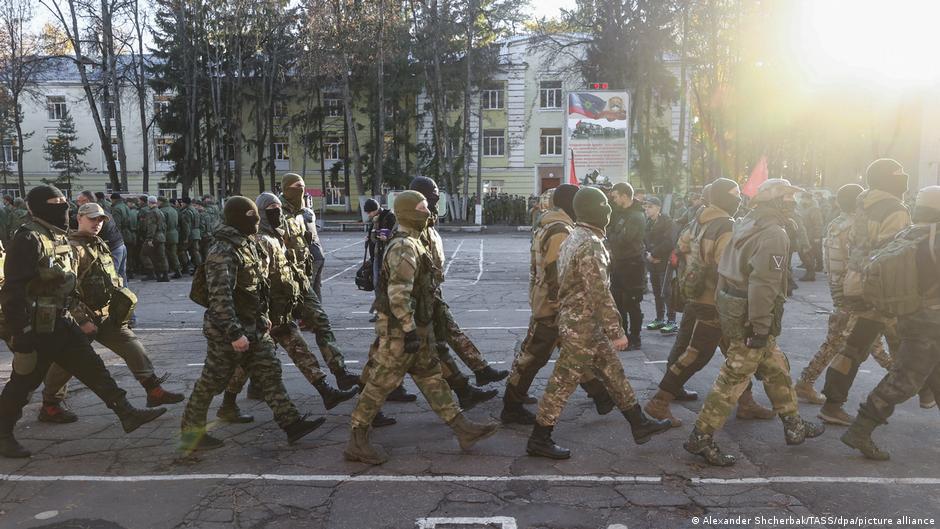
Reservists will be directly involved in these operations, marking an expansion of their role beyond traditional training and support functions.
‼️🇷🇺🇺🇦 In the Leningrad region, protection against drones will be strengthened, – the governor
▪️For this purpose, reservists will be mobilized and additional material and technical assistance will be provided to the 6th Guards Army of the Air Force and Air Defense, which is… pic.twitter.com/PZt7O4YCJG
— Beate Landefeld (@BeateLandefeld) April 17, 2026
Call for Volunteers
Regional authorities have called on residents, particularly military veterans, to sign three-year reservist contracts through local draft offices.
Under the plan, those selected may serve on active duty for periods ranging from two to six months, focusing specifically on air defense operations.
The move reflects a broader effort to mobilize experienced personnel while maintaining a flexible force structure.
Military Oversight
The mobile fire groups will operate under the command of the 6th Guards Air Force and Air Defense Army, alongside other military units stationed in the region.
Local government and industrial partners are expected to provide logistical and operational support, ensuring that the units are equipped to respond quickly to potential threats.
Expanding the Role of Reservists
Russia’s mobilization reserve consists of individuals who voluntarily sign contracts to serve in a standby capacity. Recent legislative changes have expanded the government’s ability to deploy reservists for training and operational purposes.
In late 2025, a law signed by Vladimir Putin granted authorities greater flexibility to call up reservists for special exercises and missions, beyond standard training requirements.
A Response to Modern Warfare
The decision to deploy mobile fire groups highlights the increasing importance of counter-drone measures in contemporary conflict environments.
Drones have become a central feature of modern warfare, capable of targeting infrastructure, disrupting logistics, and conducting surveillance.
By positioning trained personnel at key sites, regional authorities aim to create a rapid-response network capable of intercepting threats before they cause damage.
A Growing Security Focus
The initiative underscores a broader shift in Russia’s domestic security posture, with greater emphasis on protecting infrastructure and integrating civilian and military resources.
As drone technology continues to evolve, similar measures may be adopted in other regions facing comparable risks.