
Image: from Hürriyet Daily News X @HDNER
Open Chronicle | Diplomacy & Conflict
Antalya — Russia has indicated it is open to resuming peace negotiations with Ukraine in Istanbul, though officials stress that talks are not currently a top priority as the broader geopolitical landscape remains volatile.
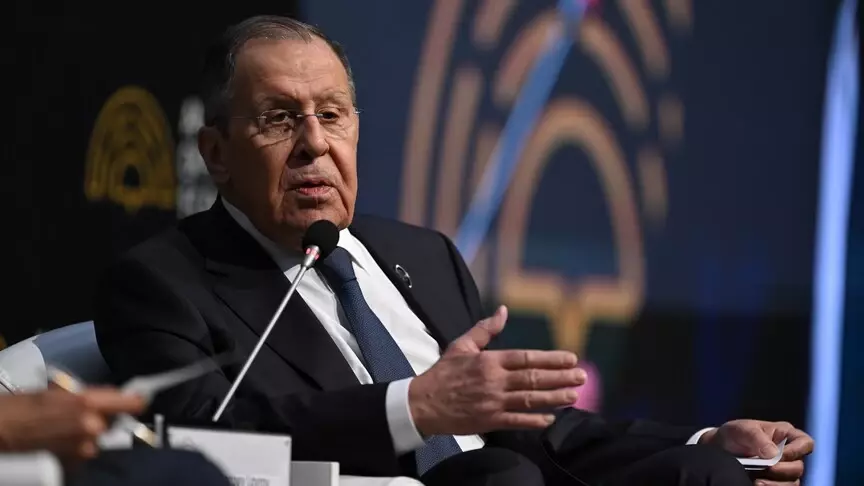
Speaking at the Antalya Diplomacy Forum, Russian Foreign Minister Sergey Lavrov said Moscow views the prospect of renewed negotiations “positively,” while making clear that any initiative must come with concrete proposals and realistic conditions.
Conditional Willingness
Lavrov emphasized that Russia has not withdrawn from diplomacy, but is waiting for a credible signal from Kyiv.
“We don’t shy away from negotiations,” he said. “When someone is ready, let them propose. We will assess the timing, the venue, and the agenda.”
At the same time, he noted that restarting talks is not Moscow’s immediate focus, reflecting both the ongoing military situation and dissatisfaction with previous negotiation efforts.
Istanbul as a Diplomatic Hub
Istanbul has already served as a central venue for dialogue between Russia and Ukraine. Initial talks in April 2022 were followed by three additional rounds in 2025, which produced large-scale prisoner exchanges and draft frameworks outlining each side’s positions.
Earlier this year, further negotiations were held under United States mediation in Abu Dhabi and Geneva. However, the process has since stalled, with both Moscow and Kyiv pointing to shifting international priorities, including the crisis involving Iran.
Broader Strategic Context
Lavrov’s remarks extended beyond Ukraine, highlighting tensions in Russia’s relationship with Washington. He pointed to ongoing sanctions imposed since the administration of Joe Biden, noting that restrictions remain in place under Donald Trump.
He also criticized what he described as U.S. ambitions to dominate global energy markets, citing additional sanctions targeting major Russian firms such as Lukoil and Rosneft.
Middle East and Global Tensions
Turning to the Middle East, Lavrov urged the international community not to overlook ongoing issues beyond the immediate crisis in the Gulf, including the Israeli-Palestinian conflict.
He warned that long-standing diplomatic frameworks, including the United Nations-backed two-state solution, risk being sidelined amid shifting global priorities.
Lavrov also suggested that control over strategic energy routes, particularly the Strait of Hormuz, remains a central factor in regional tensions.
Russia–China Alignment
Addressing global alliances, Lavrov described Moscow’s relationship with China as deeper and more stable than traditional military partnerships, signaling a continued alignment between the two powers amid rising geopolitical competition.
Uncertain Path Forward
While Moscow’s openness to renewed talks offers a potential diplomatic opening, significant obstacles remain. Previous negotiations have failed to produce a lasting agreement, and mutual distrust continues to define relations between the parties.
For now, the possibility of returning to the negotiating table exists, but whether it translates into meaningful progress will depend on shifting political will, both on the battlefield and in diplomatic corridors.
Explore International Relations
Discover more reporting and analysis on diplomacy, international security, global governance and the changing balance of power.
Return to International Relations →