
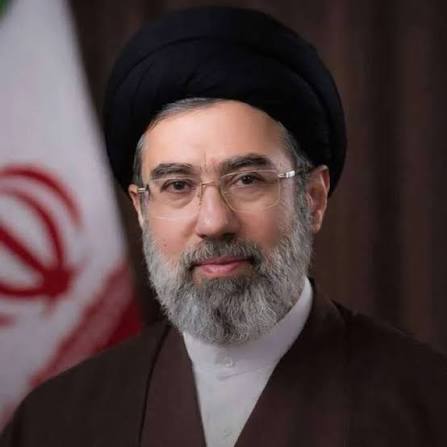
Image: from Bill Mitchell X @mitchellvii
Open Chronicle | Global Affairs
Iran is expected to send a delegation to new negotiations with the United States in Islamabad after receiving approval from Supreme Leader Ali Khamenei, according to reports, raising cautious hopes for a diplomatic breakthrough as a fragile ceasefire nears its deadline.
The development comes as JD Vance prepares to travel to Pakistan for high-stakes talks aimed at ending weeks of conflict. The U.S. delegation is expected to include senior envoy Steve Witkoff and presidential adviser Jared Kushner.
Talks revived after internal pressure
Negotiations had reportedly been on the verge of collapse amid resistance from the Islamic Revolutionary Guard Corps, which pushed for a hardline stance and opposed engagement unless Washington lifted its naval blockade.
International mediators, including representatives from Pakistan, Egypt, and Turkey, are said to have played a key role in persuading Tehran to reconsider. Iranian officials ultimately resumed preparations only after receiving direct authorization from Khamenei.
Iran is expected to be represented by Parliament Speaker Mohammad Bagher Ghalibaf.
Ceasefire deadline looms
The talks come as a two-week ceasefire between Iran and the United States approaches its expiration. Donald Trump has warned that failure to reach an agreement could result in renewed military action, including strikes on key Iranian infrastructure.
While the original deadline was set for Tuesday, Trump indicated it would be extended to Wednesday evening, leaving a narrow window for progress. He has also suggested that further extensions may be possible if negotiations show signs of advancement.
Key issues on the table
Discussions are expected to focus on several critical issues, including the potential lifting of the U.S. naval blockade, the establishment of a broader ceasefire, and Iran’s nuclear program, which remains a central point of contention.
Despite renewed diplomatic momentum, expectations for a comprehensive agreement remain low given the complexity of the issues and the limited time available.
Strait of Hormuz uncertainty continues
Meanwhile, uncertainty persists around the status of the Strait of Hormuz, a vital route for global energy supplies. Conflicting statements from both sides have left the situation unclear, and many commercial vessels have avoided the passage altogether.
The disruption has contributed to rising oil prices and heightened concerns about global economic stability.
Race against time
With delegations preparing to arrive in Islamabad, both sides face mounting pressure to secure at least a temporary breakthrough. The coming days are likely to prove decisive in determining whether the conflict moves toward de-escalation or returns to open confrontation.