
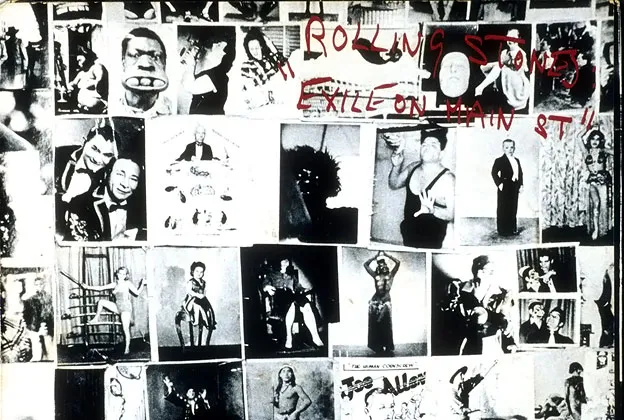
Image: from The Extreme Music Enthusiast X@TheExtremeMusi1
By Liam Scott | Open Chronicle Music Desk Staff Writer
Few albums in rock history capture the raw energy, decadence, and creative genius of a band quite like Exile On Main Street. Released in 1972, this sprawling double LP from The Rolling Stones is widely considered the pinnacle of the band’s imperial period, blending rock, blues, soul, and gospel into a gritty, unforgettable soundscape.
Much of Exile was recorded in the basement of the Nellcôte villa in the south of France, where guitarist Keith Richards rented a home in 1971 after the band relocated abroad to escape UK tax laws. The sessions were deliberately unpolished, with few overdubs, creating a sound that felt spontaneous and organic. Even the tracks recorded later in Los Angeles were treated to match the basement sessions’ atmosphere, giving the album a cohesive, lived-in feel that belied the physical distance between recording locations.
The Stones began as a blues cover band in the early 1960s, steeped in the Chicago blues tradition and London’s jazz scene. By the late 1960s, Mick Jagger and Keith Richards had refined their songwriting to merge contemporary rock and soul with the essence of early rhythm and blues. Exile On Main Street epitomizes this fusion. Tracks like “Ventilator Blues” and “I Just Want To See His Face” feel like unearthed blues gems, while Robert Johnson’s “Stop Breaking Down” is reimagined in a Stones-tinged uptempo style, blending seamlessly with the original compositions.
The album reflects a philosophy reminiscent of Bob Dylan’s The Basement Tapes and The Beach Boys’ Wild Honey: eschewing slick studio production for a raw, homegrown aesthetic. In the humid basement of Nellcôte, Richards would emerge with fresh riffs, and the band would record immediately, capturing the music’s primitive energy. The stripped-back arrangements highlight the Stones’ musicianship without embellishment, giving listeners a sense of being present in the creation process.
By 1971, Keith Richards’ heroin use had intensified, and the Nellcôte sessions became notorious for the hedonistic lifestyle surrounding them. Tales of opulence, indulgence, and even bribery circulated widely, enhancing the album’s mythos. Exile became as much a document of rock and roll excess as it was a record, embodying the raw, unfiltered spirit that defined the Stones at their peak.
The decision to avoid overproduction and to unify the sonic texture of tracks from different locations proved vital. The album exudes a cohesive “vibe” that draws listeners into its murky, smoky world. Fragmented arrangements, unfinished edges, and spontaneous performances all contribute to the sense of immediacy, revealing the creative process behind each song.
Initial reviews were mixed, with critics perceiving the album as chaotic and unfinished compared to previous releases. Yet over time, Exile On Main Street earned recognition as the apex of the Stones’ classic era, following Beggars Banquet, Let It Bleed, and Sticky Fingers. The very qualities once criticized, the ragged textures, sprawling tracks, and basement-recorded rawness, have become its defining strengths. Exile remains a testament to The Rolling Stones’ artistry, capturing their ragged glory like no other record in rock history.
In short, Exile On Main Street is not just an album; it’s a sonic experience, a glimpse into the chaotic brilliance of a band at the height of their power, unafraid to embrace imperfection and revel in the blues-infused spirit that made them legends.