
Image: from Kyrylo Shevchenko X@KShevchenkoReal
By Open Chronicle News Desk
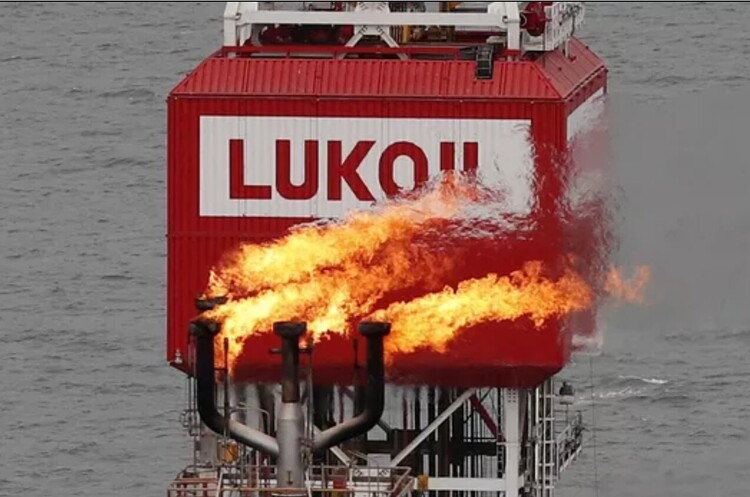
MOSCOW — PJSC Lukoil, Russia’s second-largest oil producer, has officially announced its intention to divest its international asset portfolio. The decision comes as a direct response to a tightening web of restrictive measures imposed by Western nations, most notably the United States and the United Kingdom, aimed at further isolating the Russian energy sector.
In a formal statement released via its corporate channels, Lukoil confirmed that the process of reviewing bids from potential purchasers has already commenced. The company cited the “introduction of restrictive measures against the Company and its subsidiaries by some states” as the primary driver for the wholesale liquidation of its overseas holdings.
The planned sale is currently being navigated under a “wind-down license” issued by the U.S. Office of Foreign Assets Control (OFAC). This legal framework allows the sanctioned entity a specific window to conduct transactions and offload assets before full restrictions take effect. Lukoil representatives indicated that the company might seek extensions to these licenses if necessary to ensure that operations remain uninterrupted during the transition of ownership.
Private equity firm Carlyle Group has agreed to buy most of Lukoil's foreign assets, initially valued at $22 billion by analysts, which Russia's second-largest oil company must sell because of US sanctions https://t.co/AIgbcEAKGX pic.twitter.com/JHzDUb6dSb
— Reuters Business (@ReutersBiz) January 29, 2026
The divestment represents a significant shift for one of Russia’s most globally integrated firms. Lukoil’s international footprint is extensive, encompassing upstream projects in Kazakhstan, Uzbekistan, Azerbaijan, and Iraq, as well as significant refining and retail operations across Europe, including major refineries in Bulgaria and Romania.
Market analysts suggest that the move is an effort to protect the company’s remaining value before the November 21st deadline set by U.S. authorities. Recent reports indicate that the company’s market valuation has already faced significant volatility, dropping billions in the wake of the sanctions announcement.
While the identities of potential buyers remain undisclosed, the sale marks a watershed moment in the decoupling of Russian energy interests from the global market, as the geopolitical fallout from the ongoing conflict in Ukraine continues to reshape international commerce.