
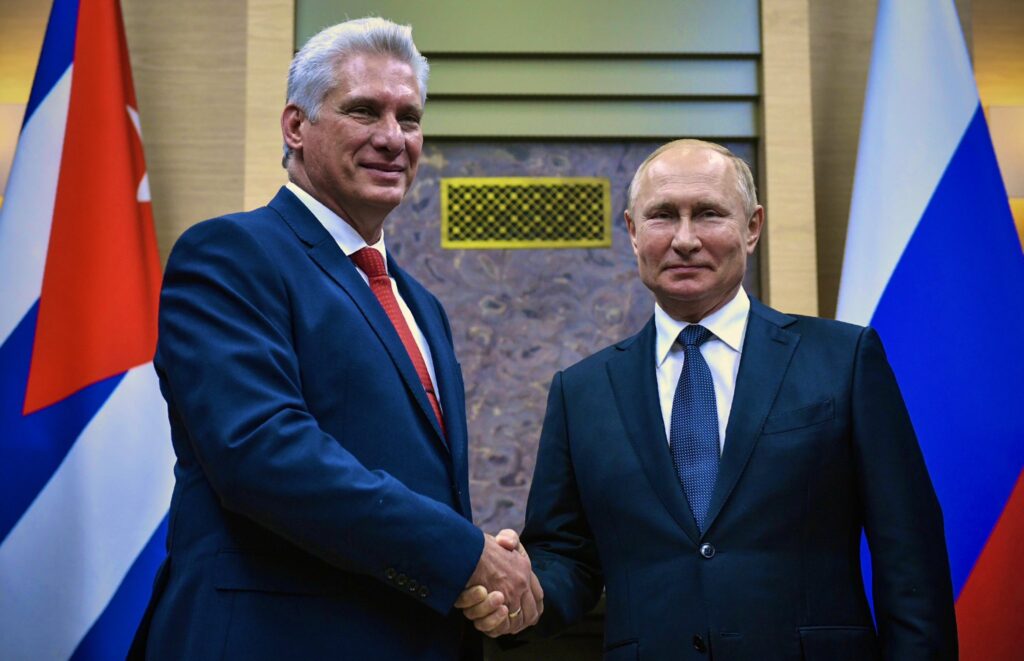
Image: from World Affairs X@World_Affairs11
MOSCOW — Russia has agreed to resume the supply of crude oil and petroleum products to Cuba, according to reports from the Russian newspaper Vedomosti published this Thursday. The move marks a significant deepening of ties between Moscow and Havana as the Caribbean nation struggles with its most severe economic and energy crisis in decades.
The agreement, which follows high-level negotiations between officials from both nations, aims to alleviate the chronic fuel shortages that have paralyzed the Cuban economy, led to frequent nationwide blackouts, and caused long queues at gas stations.
A Strategic Lifeline
While the exact volume of the shipments and the financial terms of the deal have not been fully disclosed, sources indicate that the supplies will include both crude oil for Cuba’s refineries and refined fuels.
Historically, Cuba relied heavily on Venezuela for its energy needs. However, as Venezuelan production faltered over the last several years, Havana has been forced to look elsewhere. Russia, facing its own set of international sanctions, has increasingly turned to its Cold War-era allies to maintain geopolitical influence and secure markets for its energy exports.
Economic Struggles in Havana
The arrival of Russian oil comes at a critical time for Cuban President Miguel Díaz-Canel. The island is currently grappling with inflation, a collapse in tourism following the pandemic, and the continued impact of the U.S. embargo.
Energy experts suggest that while the Russian shipments provide a temporary “lifeline,” they may not be a permanent solution to Cuba’s aging energy infrastructure. Many of the island’s thermoelectric plants are over 40 years old and suffer from a lack of maintenance, meaning that even with a steady fuel supply, the risk of grid failure remains high.
Geopolitical Implications
The deal is seen by international observers as a clear signal of Moscow’s intent to maintain a foothold in the Western Hemisphere. For the Kremlin, supporting Cuba is a way to project power close to U.S. borders at a time of heightened tensions with the West over the ongoing conflict in Ukraine.
In exchange for the fuel, Cuba has previously offered Russia concessions in land use and favorable terms for Russian investors in sectors such as sugar, tourism, and manufacturing.
The Road Ahead
While the Russian press has confirmed the shipments, the Cuban government has yet to release a detailed schedule of when the tankers are expected to arrive in Havana or Santiago de Cuba. For the Cuban population, the hope is that this agreement will mean a summer with fewer power outages and a stabilization of the country’s basic transport services.