
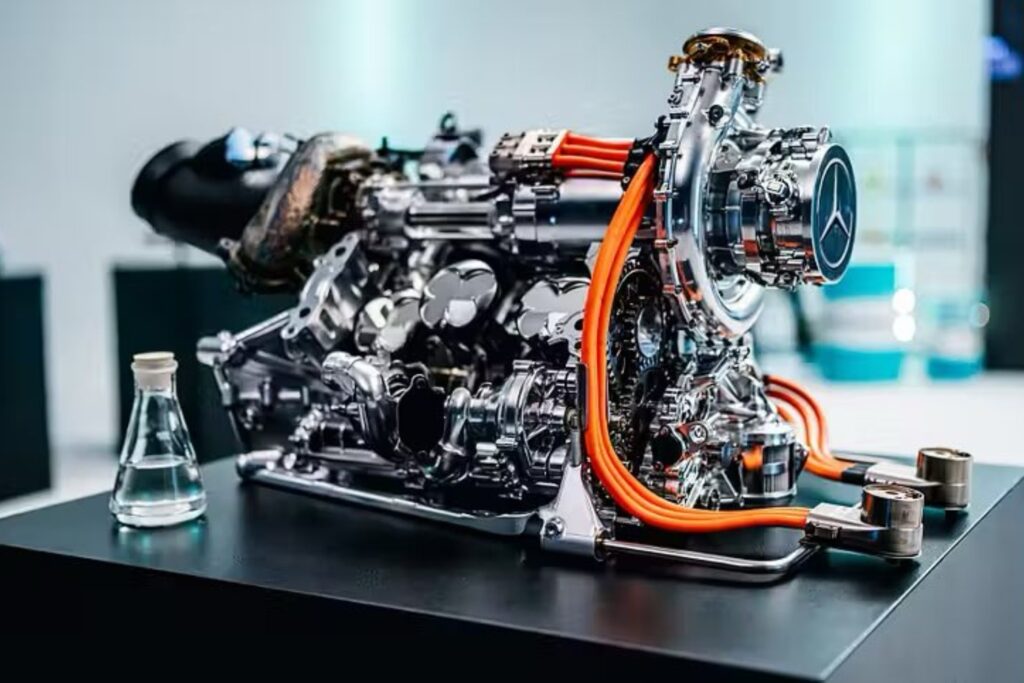
Image: from Holiness X @F1BigData
Image Credentials: Image Title: Middle East Escalation Risks Global Conflict Source: (sora.openai) Date: March 2026. Attribution: This image was created using AI-generated imagery (sora.openai) and does not depict a real-world scene.
By Open Chronicle Staff | March 4, 2026
MELBOURNE — As Formula 1 stands on the precipice of a new era with the 2026 power-unit changes, the Australian Grand Prix once again serves as a backdrop for reflection. While much of the current conversation focuses on removing the complex MGU-H and implementing new energy management strategies, history shows that Melbourne has often been the stage where the sport’s most radical technical shifts were first put to the test.
It's all change in 2026! 🔄
A new breed of F1 car will see both the chassis and power units updated, in the biggest overhaul of regulations in the sport's history. Here’s everything you need to know as we race into a new generation 💨#F1 pic.twitter.com/PhOzDRxSzz
— Formula 1 (@F1) January 1, 2026
2009: The Rise of Brawn GP
The 2009 season saw a complete aerodynamic overhaul, introducing skinnier, taller rear wings and the return of slick tires. Most notably, it marked the birth of KERS (Kinetic Energy Recovery System). However, the weekend was defined by the “double-diffuser” controversy. Brawn GP, rising from the ashes of Honda, exploited a loophole that saw Jenson Button and Rubens Barrichello secure a dominant one-two finish, signaling a fairytale run to the championship.
2014: The Hybrid Revolution
The high-pitched scream of the V8 engines was silenced in 2014, replaced by the 1.6-litre turbocharged V6 hybrid power units. The debut was fraught with reliability concerns—polesitter Lewis Hamilton and defending champion Sebastian Vettel both retired in the opening laps. Yet, it established a new hierarchy; Nico Rosberg’s 26-second victory began a nearly decade-long period of Mercedes dominance.
2017: “Lap-Time Eating Monsters.”
In 2017, the focus shifted back to raw speed and aggressive aesthetics. Wider tires and increased downforce were designed to make the cars harder to drive and significantly faster. Sebastian Vettel’s victory for Ferrari in Melbourne that year provided a glimmer of hope that the Mercedes “juggernaut” could be challenged, leading to a season-long duel with Hamilton.
2022: Ground Effect Returns
Though Melbourne was not the season opener in 2022 due to the pandemic, it hosted the Australian debut of the ground-effect era. These regulations aimed to improve “raceability” by allowing cars to follow closely without losing significant downforce. Charles Leclerc’s masterclass in the Ferrari F1-75 that weekend highlighted the success of the new aero philosophy before Red Bull eventually asserted its authority.
As the paddock prepares for the next great shift in 2026, the history of these Melbourne debuts reminds us that, while technology changes, the drama of the “first race” remains the ultimate litmus test of the pinnacle of motorsport.