
By Open Chronicle Staff | March 4, 2026
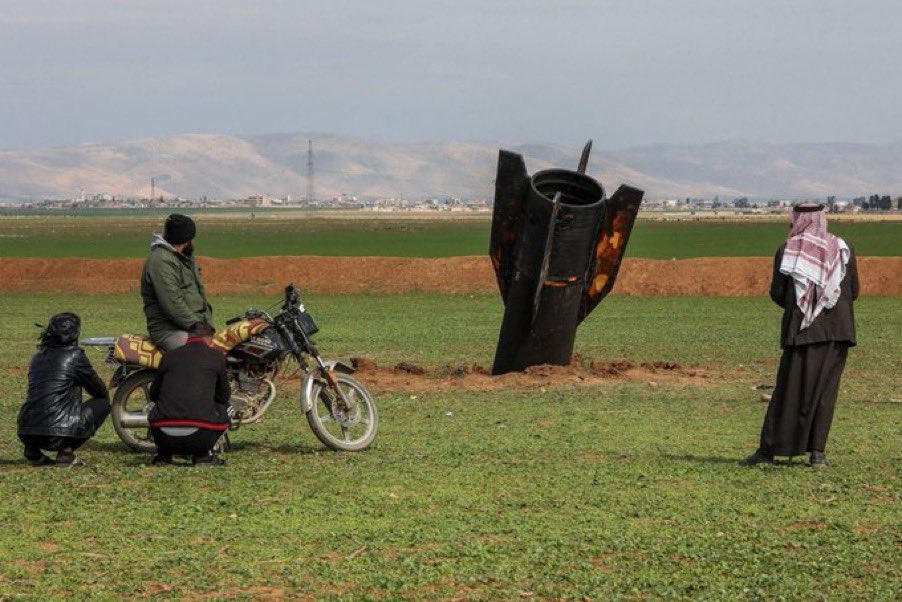
ANKARA — Regional tensions reached a critical flashpoint on Wednesday as the Turkish Ministry of Defense confirmed that NATO air defense systems successfully intercepted and destroyed an Iranian ballistic missile targeting Turkish territory.
The high-altitude interception occurred in the Eastern Mediterranean after the projectile was detected traversing Iraqi and Syrian airspace. According to a formal statement released by Ankara via social media, the missile was neutralized before it could impact its intended target. No human casualties or ground damage have been reported following the incident.
“We reserve our right to respond to any hostile acts against our country,” the Ministry’s statement read. “We warn all parties to refrain from any actions that could lead to the expansion of the war in the region, and we will continue our consultations with NATO and our other allies.”
Iranian missile attack on the American/NATO base Incirlik in Turkey
The Turkish Ministry of Defense issued a statement claiming that a ballistic missile launched by the Iranian armed forces attacked the Incirlik air base in southern Turkey. According to this statement, the… pic.twitter.com/vnh2GXzZ76
— Sprinter Press (@SprinterPress) March 4, 2026
The Turkish government emphasized its commitment to regional stability while asserting its readiness to defend sovereign borders “regardless of the source or location of the threat.”
The attempted strike comes amidst a week of escalating military activity in the Middle East. Since last Saturday, a series of U.S. and Israeli strikes have targeted Iranian assets, prompting Tehran to launch retaliatory strikes across several neighboring nations. Recent reports indicate that Iranian forces have increasingly targeted vital infrastructure, diplomatic facilities, and energy installations across the region.
Diplomatic sources suggest that the use of NATO-integrated systems to down the missile underscores the heightened state of readiness among Western allies as the conflict threatens to spill beyond the borders of the immediate combatants. For now, Ankara remains in close communication with its North Atlantic Treaty Organization partners to coordinate a collective response to the breach of its airspace.