
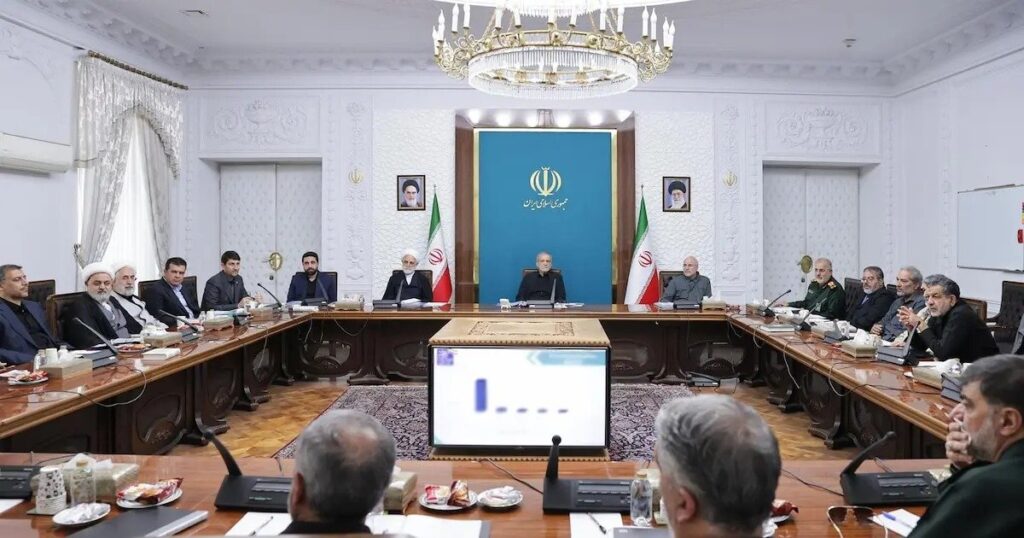
Image: from Mario Nawfal X @MarioNawfal
By Open Chronicle Staff with Agencies | Monday, March 9, 2026
TEHRAN — Iran’s Public Prosecutor announced a sweeping new legal directive on Monday, ordering the immediate seizure of all property and assets belonging to any individual, citizen, or foreigner found to be cooperating with the United States or Israel.
The mandate, issued by Mohammad Movahedi Azad, leverages a hardline national security law passed in October 2025. It targets not only direct espionage but any “practical step” or ancillary support provided to the U.S.–Israeli coalition currently engaged in a military campaign against the Islamic Republic.
A Broad Legal Dragnet
The directive applies to individuals residing both inside and outside Iran. According to the Public Prosecutor’s office, anyone providing intelligence, advice, or even general assistance to “enemies of the state” will face the total forfeiture of their Iranian-held assets.
“Any practical step taken for Israel and the United States or their affiliates against the security of Iran will be met with the seizure of all their property and assets,” the statement read.
Legal experts note that the language of the decree is intentionally broad, potentially encompassing diaspora activists, business consultants, or foreign nationals with investments in Iran who are perceived to be supporting the coalition’s war efforts.
Retaliation for “The First Wave”
The move is framed by the Judiciary as a direct response to the “brutal aggression” of February 28, 2026, when joint U.S.–Israeli strikes decapitated much of Iran’s leadership, including the late Supreme Leader Ali Khamenei.
Since that strike, the new leadership under Mojtaba Khamenei has moved to consolidate domestic control while engaging in the “True Promise 4” military operation. The asset seizure order is seen as a psychological and financial tactic to deter the Iranian diaspora and international entities from assisting the coalition’s intelligence-gathering or logistics.
International Repercussions
While the statement did not specify the mechanism for identifying or seizing overseas-linked property, it emphasized that the law applies regardless of the owner’s nationality. The move adds a new layer of risk for international firms still maintaining residual assets in Iran and serves as a warning to those providing support to the U.S. military bases in the region.
As the war enters its second week, the Iranian Judiciary’s announcement signals that the battlefield has expanded beyond missile silos and oil refineries into the realm of domestic law and private property.