
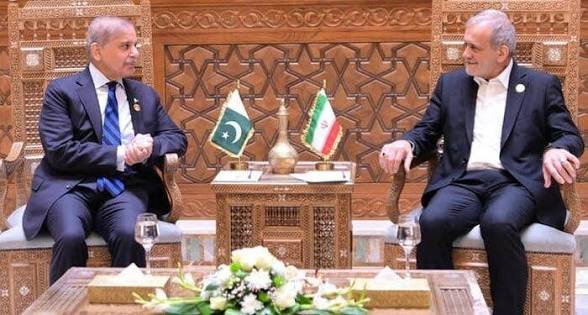
Image: from OSGINT X @posted_news
By Harrison Vane Open Chronicle Defense & Security Correspondent
ISLAMABAD — Hopes for a swift diplomatic resolution to the conflict in the Middle East were dashed Wednesday as Tehran officially rejected a 15-point “off-ramp” proposal hand-delivered by U.S. intermediaries. The rejection, confirmed by senior diplomatic sources in Pakistan, effectively scuttles the White House’s plan for a weekend summit in Islamabad and leaves the region braced for further escalation.
The proposal, which reportedly offered a phased lifting of naval blockades in exchange for a total cessation of missile strikes and drone launches, was dismissed by the Iranian Foreign Ministry as “one-sided and delusional.”
The “Sovereignty” Sticking Point
According to sources familiar with the negotiations, the primary deal-breaker was a U.S. demand for “intrusive verification” of Iranian missile production facilities. Tehran viewed this as a non-starter, arguing that the proposal sought to achieve through diplomacy what “Operation Epic Fury” had failed to achieve through force: the total disarmament of Iran’s conventional deterrent.
“The Americans are asking for a surrender disguised as a ceasefire,” a high-ranking Iranian official told Semafor. “We will not negotiate the security of our people while American paratroopers are landing on our borders.”
A “Negotiation with Self.”
The rejection vindicates earlier taunts from Tehran, which suggested the Trump administration was “negotiating with itself.” Analysts point out that the 15-point plan appeared to be drafted with more focus on domestic U.S. political messaging than on the actual security concerns of the Islamic Republic.
By coupling the diplomatic offer with the high-profile deployment of the 82nd Airborne Division and a massive production surge of Precision Strike Missiles (PrSM), the U.S. created a “coercive diplomacy” environment that Tehran ultimately found unacceptable.
The Regional Fallout
The collapse of the Islamabad talks has immediate implications for regional stability:
-
The Hormuz Toll: With diplomacy stalled, Iran is expected to double down on its plan to charge transit fees for vessels in the Strait of Hormuz, a move the U.S. Navy has vowed to ignore.
-
The “Shadow War” Expands: Following the rejection, intelligence reports indicate a surge in activity among Iranian-aligned militias in Iraq and Syria, potentially targeting the very U.S. logistics hubs the 82nd Airborne was deployed to protect.
What’s Next for the White House?
The Biden-era “maximum pressure” has been replaced by the Trump administration’s “maximum kineticism.” With the diplomatic door slammed shut, the White House now faces a choice: intensify the air campaign to force Iran back to the table or brace for a long-term war of attrition.
National Security Advisor Robert O’Brien reportedly told colleagues that the U.S. “has a very deep magazine,” referring to the newly quadrupled production targets for Lockheed Martin’s missile systems. For now, the “off-ramp” has been replaced by a “launchpad,” as both sides prepare for a hot spring in the Persian Gulf.