
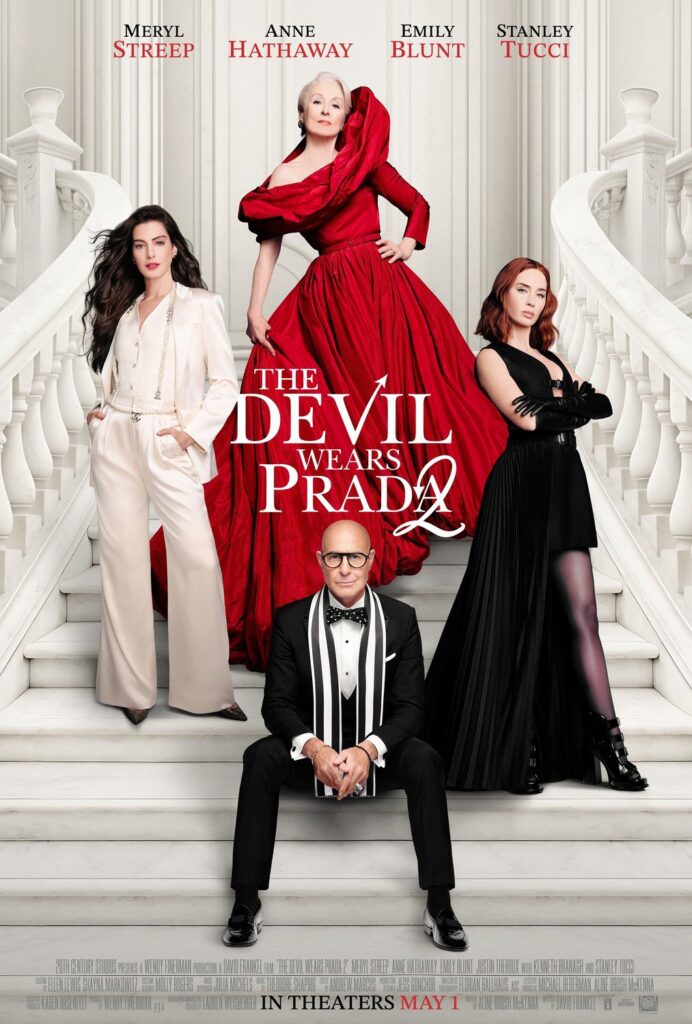
Image: from Fahadjackman X @FahadJackman
By Open Chronicle
Two decades after the original became a cultural touchstone, The Devil Wears Prada 2 arrives with surprising relevance. Rather than feeling like a belated sequel, the film reflects the shifting realities of media, fashion, and power in an industry transformed by digital disruption.
A Changing Fashion World
The 2006 original, based on The Devil Wears Prada, offered a sharp satire of the fashion industry and its notoriously demanding work culture. In this new chapter, that world has evolved. Traditional magazines have lost much of their influence, and the once-dominant gatekeepers now face declining authority.
Meryl Streep steps back into Miranda's shoes with authority 👠👠
Experience The Devil Wears Prada 2 only in theaters this Friday. Get tickets: https://t.co/BJd5wLTVBq pic.twitter.com/ZyZ2V0YVbq
— 20th Century Studios (@20thcentury) April 29, 2026
At the center remains Miranda Priestly, played once again by Meryl Streep. While still commanding and formidable, Miranda is now navigating a downsized, digital-first version of Runway magazine, dealing with public relations crises and corporate pressures.
Return of Familiar Faces
Anne Hathaway reprises her role as Andy Sachs, now a seasoned journalist whose career has been disrupted by consolidation in the media industry. Her return to Runway sets the stage for a new dynamic, one that sees her less as a subordinate and more as a reluctant ally to Miranda.
The film is directed by David Frankel and written by Aline Brosh McKenna, both returning from the original, maintaining continuity in tone while updating the narrative for a modern audience.
A Standout Performance
One of the highlights is Emily Blunt, who returns as Emily Charlton. Now a powerful executive in the fashion world, her character brings sharp humor and energy, often reversing the power dynamics that defined her earlier role.
Her performance injects much of the film’s comedic edge, providing a lively counterbalance to the more reflective themes surrounding industry decline and adaptation.
Themes of Power and Reinvention
The sequel explores the growing influence of technology companies in shaping media narratives, with corporate interests and data-driven decisions overshadowing traditional editorial judgment. This shift creates tension for both Miranda and Andy, who must navigate a landscape where prestige alone no longer guarantees relevance.
The story moves between New York City and Milan, blending fashion spectacle with a commentary on modern media economics.
Light, Entertaining, and Timely
While the film stops short of delivering a deeply critical take on its subject matter, it succeeds as an entertaining and timely reflection of an industry in transition. The chemistry between returning characters, combined with updated themes, gives the sequel a sense of purpose beyond nostalgia.
Ultimately, The Devil Wears Prada 2 may not fully match the bite of its predecessor, but it captures the spirit of a world that has changed dramatically since the original, and finds humor and relevance in that transformation.