
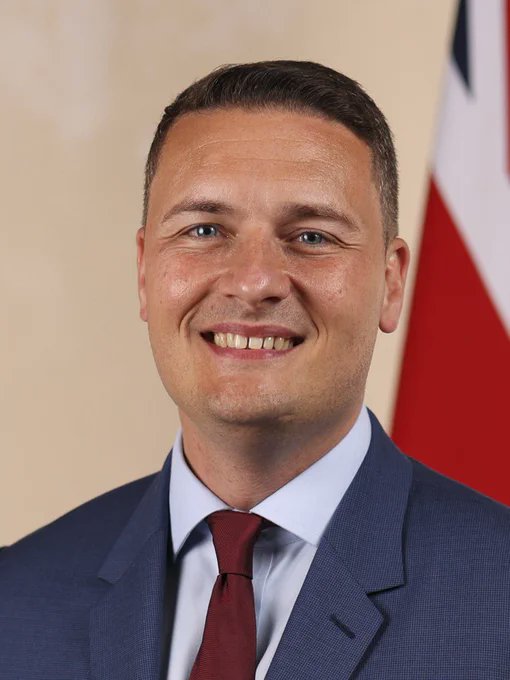
Health Secretary Wes Streeting
Image: from Global Alert X @trendingnews911
By Open Chronicle with agencies
British Prime Minister Keir Starmer is facing the most serious political crisis of his premiership after growing efforts to remove him erupted into open rebellion inside the governing Labour Party.
The turmoil intensified Thursday when Health Secretary Wes Streeting resigned from the Cabinet, becoming the first senior minister to step down in what many observers see as the opening move of a leadership challenge against Starmer.
In a sharply critical resignation letter, Streeting praised Starmer’s international leadership while arguing that the government had lost direction domestically.
“You have shown courage and statesmanship on the world stage, not least in keeping Britain out of the war in Iran,” Streeting wrote. “But where we need vision, we have a vacuum. Where we need direction, we have drift.”
Leadership Contest Appears Increasingly Likely
Streeting’s departure has intensified speculation about a potential Labour leadership contest less than two years after the party secured one of its largest parliamentary victories in modern British history.
The outgoing health secretary said Labour supporters wanted “a battle of ideas” rather than “personalities or petty factionalism,” signaling that broader ideological tensions inside the party are now surfacing publicly.
Another possible challenger, former Deputy Prime Minister Angela Rayner, also moved closer to a potential leadership bid after announcing that she had resolved tax issues that forced her resignation from the Cabinet last year.
Speaking to The Guardian, Rayner said Starmer should “reflect on” his future and indicated she was prepared to “play my part” if a contest begins.
Rayner remains popular among Labour’s left wing and has advocated for stronger wealth taxation and higher wages for workers.
Internal Revolt Expands
Streeting’s resignation follows the departure of four junior ministers earlier this week, deepening the sense of crisis surrounding Starmer’s government.
More than 80 Labour members of parliament have reportedly either publicly called for Starmer to resign or privately signaled support for a leadership change.
Under Labour Party rules, any challenger would require backing from at least 81 MPs to formally trigger a leadership contest.
Analysts say that the threshold may soon be reachable given the growing unrest inside the parliamentary party.
Meanwhile, Andy Burnham is also being discussed as a possible future leadership contender.
Burnham currently serves as mayor of Greater Manchester and is not a member of parliament, meaning he would need to return to the House of Commons before being eligible to run for party leader.
Election Losses Trigger Political Shockwaves
Pressure on Starmer intensified dramatically after Labour suffered major setbacks in local and regional elections last week.
The populist and anti-immigration Reform UK, led by Nigel Farage, made significant gains, highlighting growing frustration among voters over living costs and economic stagnation.
The results exposed dissatisfaction with Labour’s inability to deliver rapid economic improvements despite its commanding parliamentary majority.
Britain continues facing sluggish economic growth, persistent inflation, and rising pressure on public services, factors that have weakened public confidence in the government.
Starmer Refuses to Step Down
Despite mounting criticism, Starmer has vowed to remain in office and warned that a leadership battle could destabilize the country during a period of international uncertainty.
“The country expects us to get on with governing,” Starmer said earlier this week. “That is what I am doing and what we must do as a Cabinet.”
The prime minister received some political relief Thursday after new economic figures showed the British economy grew by 0.6% during the first quarter of the year, up from 0.2% in the previous quarter.
British Treasury chief Rachel Reeves said the data demonstrated that the government’s economic strategy was beginning to work.
“But that is only possible because of the economic stability that we have brought back to our economy,” Reeves told the BBC. “We shouldn’t put that at risk by plunging the country into chaos at a time when there is conflict in the world.”
Labour Faces Growing Fragmentation
Political analysts warn that even if Starmer survives the immediate challenge, Labour’s internal divisions may continue destabilizing the government in the coming months.
Jonathan Tonge, professor of politics at the University of Liverpool, described the situation as extraordinary given the size of Labour’s parliamentary majority.
“He’s got more than 400 MPs, and yet his prime ministership may be on the brink of disintegration,” Tonge said.
The crisis reflects broader fragmentation across British politics, with increasing voter volatility and rising pressure from populist parties reshaping the country’s political landscape.