
Image: from Charlie X @MAGACharlie2024
By Open Chronicle History Desk
For more than four decades, no U.S. airline has operated scheduled passenger flights to Beirut. The absence of American carriers from Lebanon’s capital traces back to one of the most turbulent periods in the country’s modern history, when civil war, political violence and a series of high-profile terrorist attacks transformed the security landscape of international aviation.
During the mid-1980s, Lebanon was at the centre of a devastating civil war that had begun in 1975. The conflict involved numerous militias, foreign military forces and regional powers, while Beirut became synonymous with instability, kidnappings and attacks against foreign nationals. As violence escalated, commercial aviation was increasingly viewed as a vulnerable target.
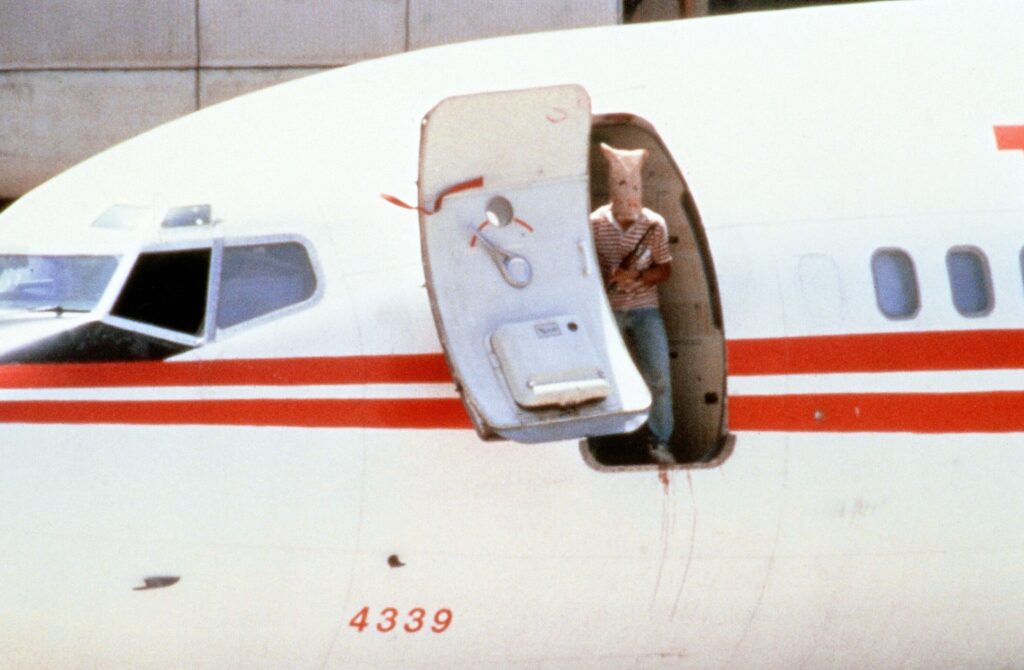
Among the most significant incidents was the hijacking of TWA Flight 847 in June 1985. The Boeing 727, operating a scheduled flight from Athens to Rome, was seized shortly after take-off by armed hijackers who diverted the aircraft to Beirut. During the ordeal, U.S. Navy diver Robert Stethem was brutally murdered, and dozens of passengers were held hostage for more than two weeks as negotiations unfolded.
June 14, 1985: TWA Flight 847 was hijacked and diverted to Beirut after departing Athens, triggering a crisis that ultimately led to Israel releasing more than 700 Lebanese Shia detainees in exchange for the hostages. pic.twitter.com/QNW65ef5fo
— Al-Amili العاملي 🇱🇧 (@resist_truth) June 18, 2026
The hijacking shocked the United States and the wider international community. Extensive media coverage highlighted the dangers facing civilians travelling through the region and reinforced growing concerns about the security of Beirut International Airport. The event became one of the defining aviation crises of the decade and had a lasting impact on American aviation policy.
The attack did not occur in isolation. Throughout the 1980s, Western diplomatic missions, military personnel and civilian interests in Lebanon were repeatedly targeted. Bombings, hostage-taking and armed confrontations created an environment in which airlines faced increasing operational and security risks.
Against this backdrop, American Airlines ceased operating flights to Lebanon, joining a broader withdrawal of Western carriers from Beirut. The decision reflected not only the immediate dangers posed by the civil war but also growing concerns over the ability to guarantee passenger and crew safety.
In the years that followed, U.S. aviation authorities continued to apply strict security assessments to Lebanon. Although Beirut’s airport has undergone periods of modernization and resumed service with numerous international airlines, no American carrier has re-established scheduled passenger operations. Security evaluations, regional instability, and broader geopolitical considerations have continued to shape U.S. aviation policy toward the country.
The suspension of flights became more than a commercial decision; it marked a turning point in how governments and airlines assessed risk in conflict zones. The lessons learned from Lebanon contributed to stronger international aviation security measures, including enhanced airport screening, closer intelligence cooperation and more comprehensive risk assessments for airlines operating in politically unstable regions.
Today, the absence of scheduled U.S. passenger flights to Beirut remains a reminder of how historical events can reshape global transportation networks for decades. While Lebanon has experienced periods of recovery and reconstruction, the legacy of the 1980s security crises continues to influence aviation policy and the relationship between commercial airlines and conflict-affected regions.