
The Iran War
Analysis, updates and strategic background on the widening conflict involving Iran, Israel, the United States and Tehran-backed armed groups across the Middle East.
Latest Analysis
Reporting and strategic analysis examining the military, diplomatic and geopolitical dimensions of the conflict.
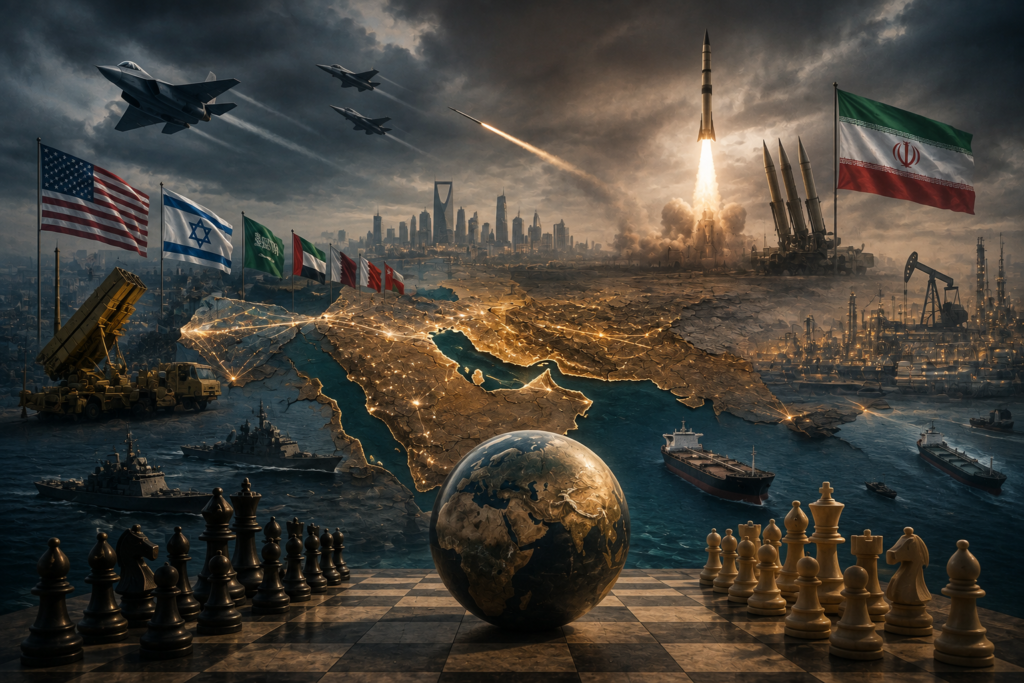
Latest Stories
The newest Open Chronicle reports, explainers and strategic assessments related to the conflict.
The Conflict Explained
The confrontation is the result of decades of rivalry, proxy warfare, nuclear tensions, competing regional alliances and repeated cycles of escalation.
These chapters provide essential background for understanding how the present conflict developed and why it has expanded across multiple theatres.
Origins of the Rivalry
How relations between Iran, Israel and the United States changed after the Iranian Revolution and the transformation of the regional order.
From Shadow War to Open Conflict
Covert operations, cyberattacks, assassinations and proxy forces gradually pushed the rivalry towards direct confrontation.
The Regional Balance of Power
The roles of Saudi Arabia, the Gulf states, Iraq, Syria, Lebanon and other regional actors in the changing strategic landscape.
The United States and the Conflict
Washington's military deployments, alliances and diplomatic strategy remain central to the trajectory of the confrontation.
Iran's Nuclear Programme
Facilities, enrichment capabilities, international inspections and the strategic calculations surrounding Iran's nuclear ambitions.
Iran's nuclear programme has remained one of the most consequential security issues in the Middle East. Disputes over uranium enrichment, inspections and potential weaponisation have shaped diplomacy and military planning for more than two decades.
This section can connect readers to detailed explainers on nuclear infrastructure, international agreements, technical capabilities and the strategic importance of individual facilities.
Iran's Regional Network
Armed organisations, political movements and military networks connected to Tehran across the Middle East.
Hezbollah
Military capabilities, political influence and the organisation's role in the regional conflict.
The Houthi Movement
Missile operations, maritime attacks and the strategic importance of the Red Sea theatre.
Iraqi Armed Groups
The militias, political structures and military networks operating inside Iraq.
Syrian Theatre
Military infrastructure, supply routes and the strategic role of Syria within the regional network.
Palestinian Armed Groups
Political relationships, military assistance and competing strategic objectives.
IRGC and Quds Force
The institutions responsible for coordinating Iran's external military and political networks.
Key Players
Profiles of the governments, leaders, armed forces and organisations influencing the direction of the conflict.
Iranian Leadership
The political, military and religious institutions guiding Tehran's national security strategy.
Israeli Leadership
The government, security cabinet and defence establishment directing Israel's military strategy.
Washington
American military deployments, diplomacy and alliance commitments across the Middle East.
Gulf and Arab States
Governments balancing security concerns, diplomacy, energy interests and the risks of regional escalation.
Path to the Present Conflict
A concise chronology of the major developments that transformed a long-running shadow conflict into direct regional warfare.
The Iranian Revolution
The revolution transforms Iran's domestic political system and fundamentally changes its relationship with the United States and Israel.
Expansion of Regional Networks
Tehran develops partnerships with armed and political groups across Lebanon, Iraq, Syria and the Palestinian territories.
The Nuclear Dispute Intensifies
Iran's enrichment programme becomes a central international security issue, leading to sanctions, negotiations and covert operations.
The Nuclear Agreement
Iran and major world powers reach an agreement intended to limit nuclear activity in exchange for sanctions relief.
Pressure and Escalation
The breakdown of the nuclear agreement, sanctions, attacks on shipping and proxy confrontations increase regional tensions.
Direct and Expanding Conflict
Direct military exchanges and operations across multiple countries create the risk of a prolonged regional war.
Global Impact
The consequences extend beyond the Middle East, affecting energy, trade, financial markets, alliances and international security.
Energy Markets
Risks to oil production, Gulf infrastructure and shipping routes can influence global prices and economic stability.
Maritime Trade
Disruption in the Red Sea, Persian Gulf or Strait of Hormuz could affect some of the world's most important commercial routes.
Global Alliances
The conflict tests relationships between the United States, European states, Russia, China and regional governments.
Nuclear Proliferation
The outcome may shape future nuclear policies and security calculations across the Middle East and beyond.
Special Report Archive
Browse all reports, opinion pieces, explainers and strategic assessments published as part of this project.
Insere aqui uma segunda view do Content Views para apresentar o arquivo completo.
The End of the Forever War? America Leaves Iraq and Syria but Doubles Down on the Middle East
Diplomacy Under Fire: Can the United States and Iran Still Find a Way Out of the War?
The Iran War Is Entering a New Phase of Regional Escalation
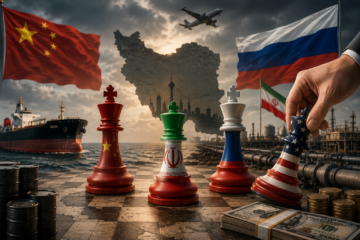
China and Russia Could Undermine Trump’s Bid to Economically Isolate Iran

How the Iran War Is Reshaping the Balance of Power Across the Middle East

Report: U.S. Precision Missile Stockpiles Under Pressure After Extended Iran Campaign
Understand the Forces Shaping Global Power
Explore strategic analysis, defence reporting, geopolitical intelligence and long-term studies from the Open Chronicle Grand Strategy Institute.