
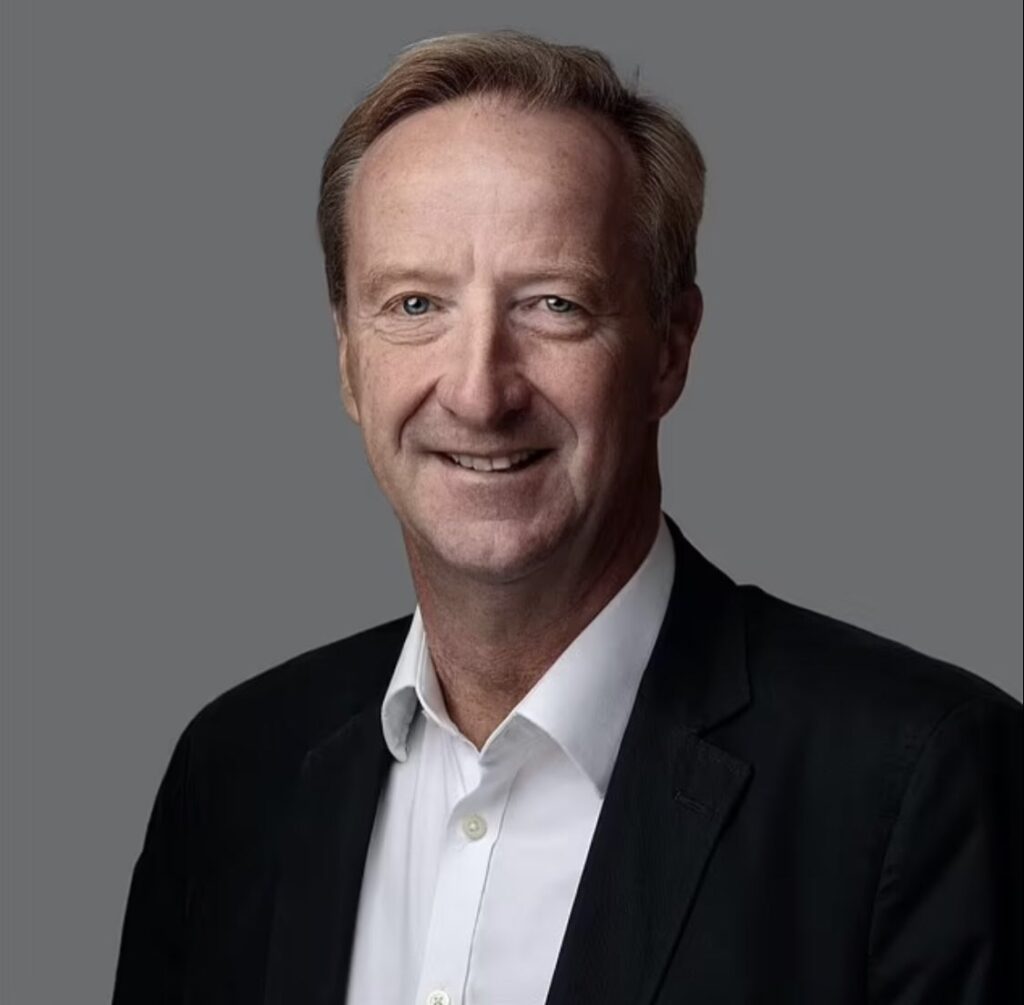
Image: from James Goddard X@JamesPGoddard90
By Open Chronicle Intelligence Desk | Intelligence Analysis
The global security environment is entering a dangerous new phase, according to former MI6 chief Sir Alex Younger, who has warned that international relations are now increasingly governed by a simple and destabilizing rule might is right.
Speaking as tensions rise following U.S. military action against Venezuela, Younger argued that today’s world is no longer guided by law-based multilateralism, but by spheres of influence controlled by dominant political leaders. These figures tolerate one another’s actions abroad while exerting near total control over their own regions, sidelining global institutions in the process.
At the center of this shift, Younger placed President Donald Trump, describing him as the most visible embodiment of the strongman doctrine. Under this approach, power rather than principle determines outcomes, leaving traditional allies struggling to reconcile their values with strategic necessity.
"We need to focus on the main game… rebuilding our relationship with hard power."
Former MI6 boss Sir Alex Younger says there is no 'obvious benefit in the UK taking a forward position' after the US military action in Venezuela. pic.twitter.com/3b5zSv7QKB
— BBC Radio 4 Today (@BBCr4today) January 5, 2026
This transformation presents acute challenges for Western alliances, particularly for countries like the United Kingdom that publicly defend international law while remaining aligned with a U.S. administration that increasingly disregards it. Younger warned that such contradictions weaken Western credibility, especially in the eyes of the Global South, which has become more sensitive to double standards following Russia’s invasion of Ukraine.
While Western governments condemned Moscow for breaching international law in 2022, their silence or cautious language over U.S. actions risks exposing them to charges of hypocrisy. From an intelligence perspective, this erosion of moral authority reduces the West’s ability to mobilize diplomatic coalitions, deter aggressors, and shape global norms.
Public opinion data reinforces this grim assessment. A major international survey across 27 democracies reveals a deep loss of confidence in democratic governance. Nearly seven in ten respondents believe democracy is weakening, while a similar number say strong leaders now wield more influence than international institutions. Most respondents believe political systems favor wealthy elites rather than ordinary citizens, and a majority expect the next generation to be worse off.
For intelligence agencies, these trends signal rising instability. Weak faith in democracy creates fertile ground for authoritarian influence, foreign interference, and political radicalization. As citizens lose trust in institutions, they become more susceptible to narratives that favor decisive, centralized power over pluralism and compromise.
Younger’s warning suggests the global order built after World War Two is being quietly replaced. In its place is a landscape defined by raw power, transactional alliances, and regional strongmen testing how far they can go without provoking retaliation.
For Western security planners, the message is stark. Without renewed commitment to international law, democratic legitimacy, and institutional cooperation, the world is drifting toward a more volatile era where deterrence, not diplomacy, will increasingly define global politics.