
Image: from N B X@lovelynancie
By Chronicle Staff with Agencies
TEHRAN — Tensions in the Persian Gulf reached a fever pitch this week as Iran’s Supreme Leader issued a direct threat to target U.S. warships, casting a long shadow over ongoing diplomatic efforts to revive international nuclear negotiations.
The escalation centered on a provocative new mural unveiled in Tehran’s Enghelab Square. The massive billboard depicts a crippled U.S. aircraft carrier sinking beneath the waves, emblazoned with the biblical warning: “If you sow the wind, you will reap the whirlwind.” The message, written in both Persian and English, serves as a high-visibility signal of the Islamic Republic’s defiance as American naval assets move closer to Iranian territorial waters.
The timing of the rhetoric is particularly fraught. Negotiators from Tehran and world powers have been engaged in delicate discussions regarding Iran’s nuclear program, talks that officials had hoped might lead to a de-escalation of sanctions. However, the arrival of a nuclear-powered U.S. warship in the region has prompted Iranian authorities to pivot back to a posture of military readiness.
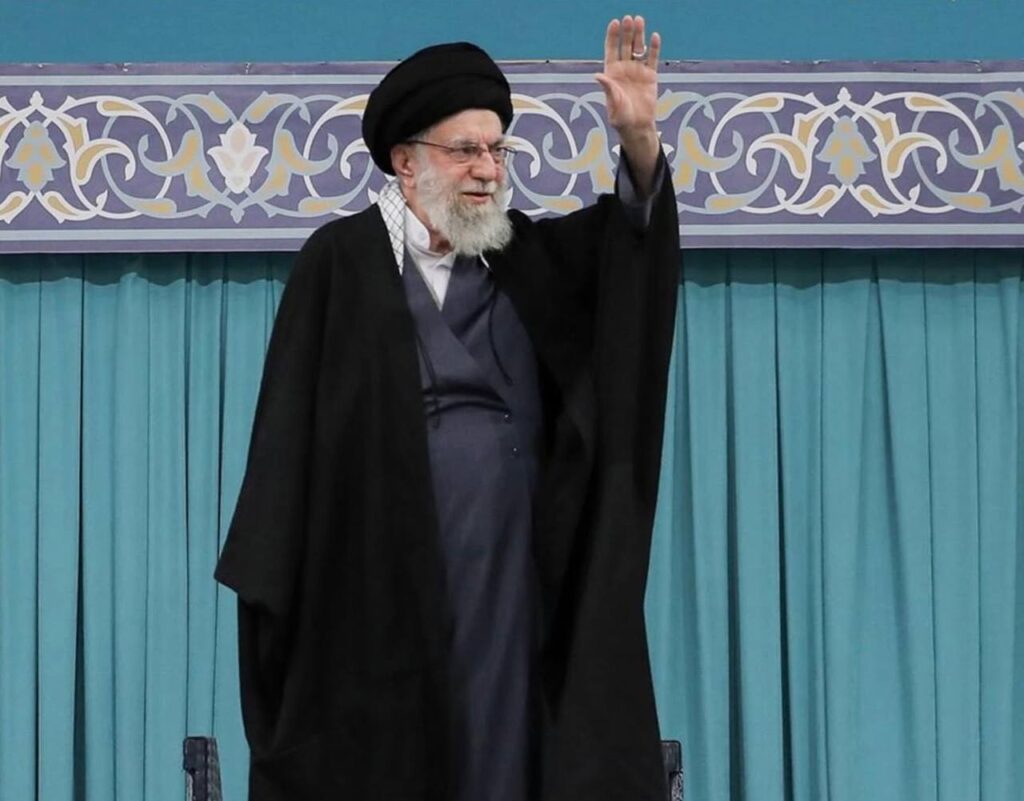
In a public address, Iranian leadership warned that any perceived infringement on national sovereignty would meet a “regret-inducing” response. Military analysts suggest the rhetoric is designed to bolster domestic support and establish a “red line” for U.S. operations in the Strait of Hormuz, a critical chokepoint for global oil supplies.
White House and Pentagon officials have not yet issued a formal response to the specific threats, though they have consistently maintained that U.S. naval movements are routine and intended to ensure the “freedom of navigation” in international waters.
The dual-track reality of saber-rattling and diplomacy leaves the future of the nuclear talks in a precarious state. While diplomats in Geneva and Vienna seek a path toward regional stability, the waters of the Gulf remain a volatile theater where a single miscalculation could ignite a broader conflict.